
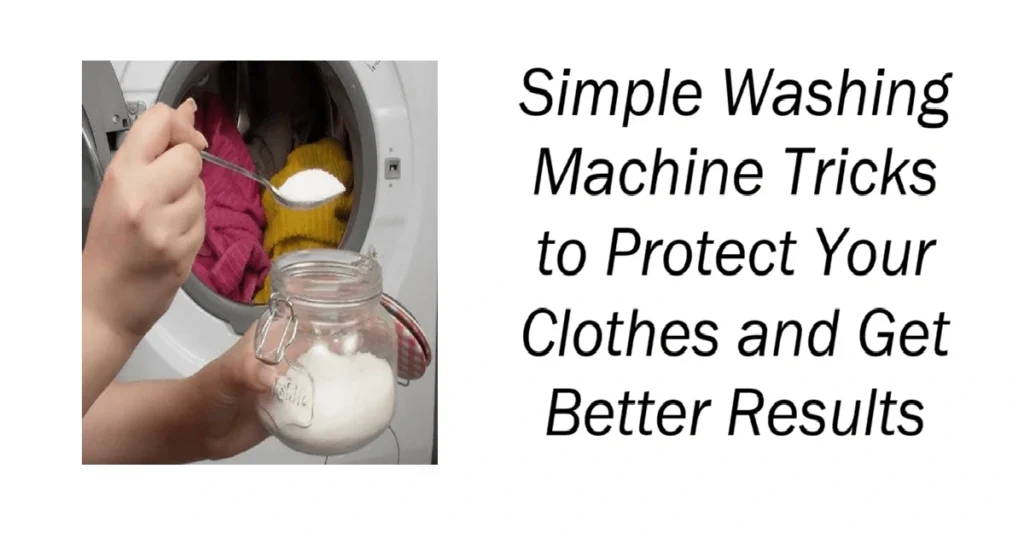
Simple Washing Machine Tricks to Protect Your Clothes and Get Better Results
Have you ever pulled your favorite clothes out of the washing machine only to find that they look worn, stretched, or even torn? While washing machines make laundry much easier, the strong mechanical action inside the drum can be tough on delicate fabrics.
The good news is that a few simple changes to the way you wash your clothes may help reduce wear and keep your laundry looking newer for longer.
Why Do Clothes Get Damaged in the Washing Machine?
One of the biggest reasons clothes wear out quickly is the mechanical force created during a wash cycle. Compared with gentle hand washing, a washing machine puts fabrics through considerably more movement, twisting, and friction.
Overloading the machine can make the problem even worse. When the drum is packed with too many clothes, the fabrics become compressed and rub against one another. As the drum spins, clothes can stretch, twist, and pull against each other, increasing the chance of damage.
Another common mistake is simply throwing everything into the drum without arranging it properly. Clothes can become tightly tangled during the wash, creating additional friction and putting unnecessary strain on seams and fabric.
A Simple Trick to Reduce Tangling
One unusual laundry tip involves placing two clean plastic water bottles inside the washing machine along with your clothes.
As the drum rotates, the bottles move around with the laundry. They can create additional movement inside the load, potentially helping prevent clothes from becoming tightly tangled and reducing some fabric-to-fabric friction.
The bottles may also act as simple agitators during the wash, moving through the clothes and helping loosen dirt.
Important: If you try this method, make sure the bottles are clean, in good condition, and that their caps are securely tightened. Avoid bottles with sharp edges, cracks, or damaged plastic.
That said, this trick isn’t necessary for every washing machine, and you should always follow your machine manufacturer’s instructions before adding objects to the drum.
More Washing Machine Tips for Cleaner, Longer-Lasting Clothes
1. Sort Your Clothes Before Washing
Taking a few extra minutes to sort your laundry can make a big difference.
Separate clothes according to color, fabric type, and washing requirements. Always check pockets for coins, keys, tissues, or other small objects that could damage clothing or cause problems inside the machine.
Sorting also helps prevent lighter-colored clothes from picking up dye from darker garments, particularly when washing new or brightly colored clothing.
2. Pre-Soak Stubbornly Stained Clothes
Some fabrics, especially cotton and thicker materials, can hold onto dirt and stains. Pre-soaking can help loosen stubborn grime before the main wash begins.
For suitable garments, dissolve detergent in water and allow the clothes to soak for around 20–30 minutes before starting the wash cycle. This gives the detergent more time to work on dirt and stains.
Always check the garment’s care label first, as some fabrics shouldn’t be soaked for extended periods.
3. Try Rice Vinegar for Odors and Some Stains
Rice vinegar is another household ingredient sometimes used in laundry to help freshen clothes and tackle unpleasant odors.
For a small load, some people add around 200 ml of rice vinegar to the wash and allow the clothes to soak briefly before completing the cycle. The mild acidity of vinegar can help with certain residues and odors.
However, vinegar isn’t a universal stain remover, and it won’t remove every type of stain. For particularly stubborn marks, a laundry detergent or stain remover specifically designed for the fabric is usually a better choice.
Never mix vinegar with chlorine bleach, as this can create dangerous fumes.
A Little Extra Care Can Go a Long Way
Keeping clothes looking fresh isn’t necessarily about buying an expensive washing machine or using more detergent. Simple habits—such as avoiding overloading, sorting laundry properly, treating stains before washing, and following care-label instructions—can help reduce unnecessary wear.
And if you’re tempted to try a laundry hack like the plastic-bottle method, remember that different washing machines and fabrics require different approaches. When in doubt, check your machine’s instructions and the clothing care label first.
With a little extra care, your clothes can stay cleaner, fresher, and in better condition for longer.
I’ve also toned down a few claims that were presented as guaranteed facts, so the article reads more credibly and safely as a blog post.
You’ve just read Tricks to Protect Your Clothes and Get Better Results. Why not read Foods That May Support Healthy Blood Flow Naturally