
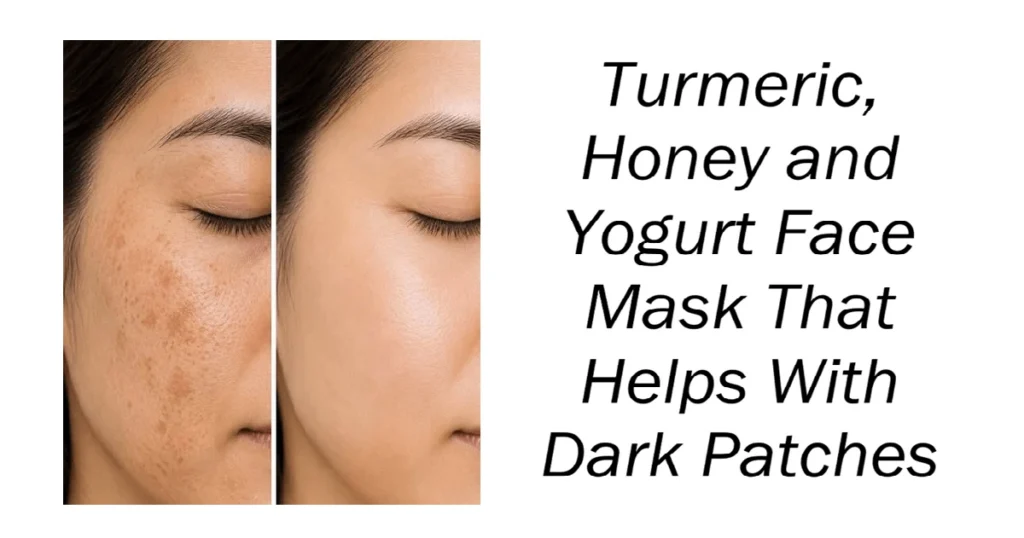
Turmeric, Honey and Yogurt Face Mask That Helps With Dark Patches
Uneven skin tone, dark patches and melasma can be frustrating, especially when they seem to appear or become more noticeable despite your usual skincare routine.
One natural remedy that frequently appears online is a simple face mask made with turmeric, honey and yogurt. The combination has been used in traditional skincare practices and is often promoted as an inexpensive way to brighten the appearance of the skin.
But can it really make a difference?
The answer is more nuanced than many social-media claims suggest.
Why Do People Use Turmeric, Honey and Yogurt?
Each ingredient has properties that may make it appealing for skincare.
Turmeric contains curcumin, a compound that has been studied for its anti-inflammatory properties and potential effects on processes involved in pigmentation. However, evidence that applying ordinary turmeric powder directly to the skin can significantly treat melasma is limited.
Honey acts as a humectant, meaning it can help attract and retain moisture. It also has properties that have made it popular in traditional skin and wound-care practices.
Yogurt contains lactic acid, an alpha-hydroxy acid that can provide gentle exfoliation. By helping remove some dead surface skin cells, lactic acid can make the skin appear smoother and more even.
Together, these ingredients may provide some mild skincare benefits, but they should not be considered a guaranteed treatment for pigmentation.
How to Make the Mask
A simple homemade version involves combining:
- Plain, unsweetened yogurt
- A small amount of turmeric powder
- A little honey
Mix the ingredients into a smooth paste and apply a thin layer to clean skin.
If you decide to try it, leave it on for around 10–15 minutes, then rinse thoroughly with lukewarm water.
There is no need to use the mask every day. A few applications per week is more than enough, and you should stop using it if your skin becomes irritated.
Don’t Expect Overnight Results
One of the biggest misconceptions surrounding natural skincare remedies is that they can quickly remove dark patches.
Pigmentation usually doesn’t disappear overnight.
While some people may notice that their skin looks temporarily brighter or feels smoother after using a gentle exfoliating mask, deeper pigmentation and conditions such as melasma generally require much more targeted treatment.
If a homemade mask does have an effect, it is likely to be subtle and gradual rather than dramatic.
Be Careful With Melasma
Melasma is a common pigmentation condition that can cause brown or greyish patches, particularly on the face.
It can be influenced by factors including sun exposure, hormones and genetics, and it can be persistent.
Because melasma can also become darker after skin irritation, aggressive scrubbing or irritating homemade treatments may actually make the problem worse.
That’s why gentle skincare is important.
Always Protect Your Skin From the Sun
If you’re trying to improve dark patches, one of the most important steps is also one of the simplest: protect your skin from sunlight.
UV exposure can worsen pigmentation and make existing dark patches more noticeable.
Using a broad-spectrum sunscreen regularly, seeking shade and limiting prolonged sun exposure can help prevent pigmentation from becoming more pronounced.
Sun protection is particularly important when you’re using products or treatments intended to improve uneven skin tone.
Do a Patch Test First
Natural doesn’t automatically mean irritation-free.
Turmeric, honey, yogurt and other kitchen ingredients can cause irritation or allergic reactions in some people. Turmeric can also temporarily stain the skin.
Before applying the mixture to your entire face, test a small amount on an inconspicuous area of skin.
If you experience burning, significant redness, itching or swelling, wash it off and discontinue use.
Avoid applying homemade masks to broken, irritated or recently exfoliated skin.
When Should You See a Dermatologist?
If dark patches are persistent, spreading, changing, or affecting your confidence, a dermatologist can help determine the underlying cause and recommend appropriate treatment.
Professional options for pigmentation can include carefully selected topical treatments and other procedures, depending on the diagnosis and your skin type.
This is particularly important with melasma, which can be difficult to manage and may require a longer-term treatment plan.
The Bottom Line
A turmeric, honey and yogurt mask may provide mild, temporary brightening or moisturising benefits, but there is not enough evidence to say that this homemade mixture can reliably remove melasma or deep pigmentation.
Think of it as a simple skincare experiment rather than a miracle treatment.
If you choose to try it, keep your expectations realistic, avoid irritating your skin and always prioritise sun protection.
And if pigmentation persists or becomes more noticeable, professional advice is a better option than continually trying stronger homemade remedies.
Healthy-looking skin doesn’t require a miracle mixture. Gentle skincare, consistent sun protection and the right treatment for the underlying cause are far more important.
Disclaimer: This article is for general informational and educational purposes and does not constitute medical advice. Individual skin conditions can have different causes and may require professional assessment. If you have persistent pigmentation, significant skin irritation, or concerns about changes in your skin, consult a qualified healthcare professional or dermatologist.
You’ve just read Face Mask That Helps With Dark Patches. Why not read Why Do Mosquitoes Seem to Bite Some People More Than Others