
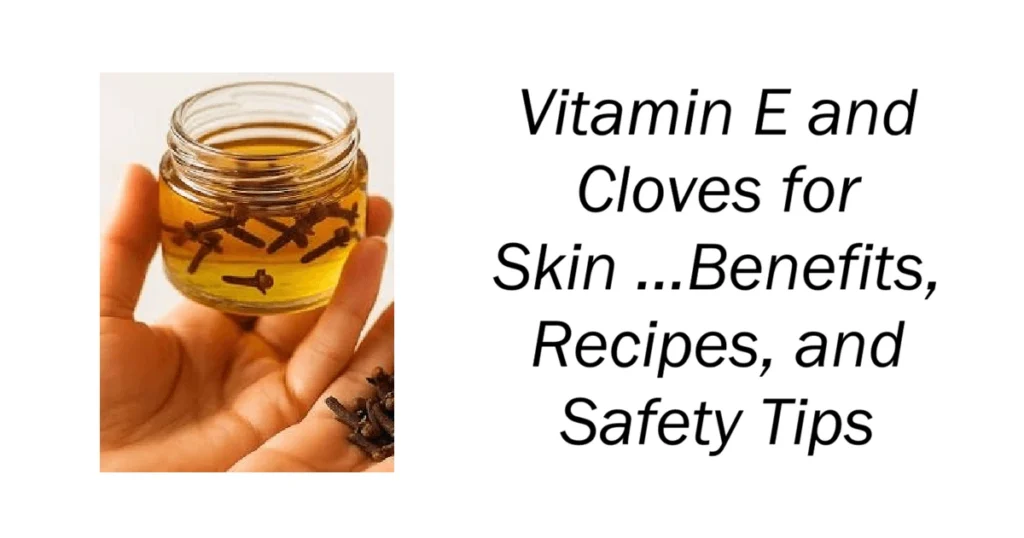
Vitamin E and Cloves for Skin …Benefits, Recipes, and Safety Tips
Your skin is the body’s largest organ and one of its most important protective barriers. Every day, it is exposed to sunlight, pollution, temperature changes, and other environmental factors.
That is why healthy skin requires more than a collection of cosmetic products. A balanced diet, adequate hydration, quality sleep, avoiding tobacco, and protecting your skin from excessive sun exposure all play an important role in maintaining its appearance and overall health.
Alongside these habits, some people like to incorporate homemade preparations made with natural ingredients into their skincare routines. One combination that has gained attention is vitamin E and cloves.
What Can Vitamin E and Cloves Do for the Skin?
Vitamin E is a well-known antioxidant that helps protect cells from oxidative stress. Antioxidants are often used in skincare because oxidative stress is associated with processes involved in skin aging.
Cloves also contain naturally occurring compounds, including eugenol, which has antioxidant properties.
However, it’s important to separate potential benefits from exaggerated claims. Social media posts sometimes suggest that applying vitamin E and cloves to the face can eliminate wrinkles or dramatically rejuvenate the skin within a few days. There is not enough scientific evidence to support those claims.
When properly formulated and tolerated by the skin, preparations containing moisturizing oils and vitamin E may help leave the skin feeling softer and more moisturized. They should not, however, be considered a miracle treatment for wrinkles or other signs of aging.
Recipe 1: Nourishing Vitamin E and Clove Oil
This simple oil preparation combines vitamin E with a plant-based carrier oil.
Ingredients
- 1 tablespoon of whole cloves
- 3 tablespoons of sweet almond oil or jojoba oil
- 2 vitamin E capsules
Preparation
Place the cloves and oil in a clean glass container. Add the contents of the vitamin E capsules and allow the mixture to infuse for approximately 24 hours.
Afterward, strain the mixture carefully to remove the cloves.
How to Use It
Apply two or three drops to clean skin and gently massage the product into the skin before bedtime.
Because cloves can be irritating, especially when concentrated, use caution and discontinue use if you experience burning, redness, itching, or other irritation.
Recipe 2: Homemade Moisturizing Face Mask
For a gentler-feeling homemade mask, you can combine several commonly used moisturizing ingredients.
Ingredients
- 1 tablespoon of finely ground oats
- 1 tablespoon of plain yogurt
- 1 teaspoon of honey
- 1 vitamin E capsule
Preparation
Combine all the ingredients in a clean bowl and mix until you have a smooth, consistent mixture.
How to Use It
Apply a thin layer to clean skin and leave it on for approximately 15 minutes. Rinse thoroughly with lukewarm water and gently pat the skin dry.
Use no more than once a week and stop immediately if irritation occurs.
Recipe 3: Balm for Dry Areas
For areas such as the hands, elbows, and heels, a simple moisturizing balm can help reduce dryness.
Ingredients
- 1 tablespoon of shea butter
- 1 teaspoon of almond oil
- 1 vitamin E capsule
Preparation
Mix the ingredients thoroughly until they form a smooth, uniform balm.
How to Use It
Apply a small amount to dry areas before bedtime. Massage gently until absorbed.
This preparation is intended primarily to moisturize dry skin rather than treat a specific skin condition.
Important Safety Tips
Natural does not automatically mean risk-free. Ingredients such as cloves can cause irritation or allergic reactions in some people, particularly when used in concentrated forms.
Before applying any homemade preparation to your face, test a small amount on an inconspicuous area of skin and monitor it for signs of irritation. If you experience redness, swelling, burning, itching, or discomfort, wash the area and discontinue use.
Avoid applying homemade mixtures to:
- Open wounds or cuts
- Burns
- Infected skin
- Severely irritated skin
- Areas affected by an active skin condition
If you have dermatitis, rosacea, severe acne, or another persistent skin problem, speak with a dermatologist before experimenting with homemade treatments.
Don’t Forget Sun Protection
One of the most important steps in any skincare routine is protecting your skin from ultraviolet radiation.
Regular exposure to UV rays contributes to premature skin aging and can cause significant skin damage. Using a broad-spectrum sunscreen as recommended for your skin type, along with other sun-protection measures, is therefore much more important than relying on homemade anti-aging recipes.
A healthy skincare routine can also be supported by eating a varied diet rich in fruits and vegetables, staying adequately hydrated, exercising regularly, getting enough sleep, and avoiding tobacco.
The Bottom Line
Vitamin E and cloves may sound like an appealing natural skincare combination, but they should not be promoted as a quick solution for wrinkles or as a substitute for proven dermatological treatments.
The healthiest approach is to focus on consistent skincare, sun protection, good nutrition, adequate rest, and products that are appropriate for your individual skin type.
When it comes to skincare, consistency is far more valuable than miracle promises.
You’ve just read The Strange Mark on a $20 Bill. Why not read The Strange Mark on a $20 Bill