
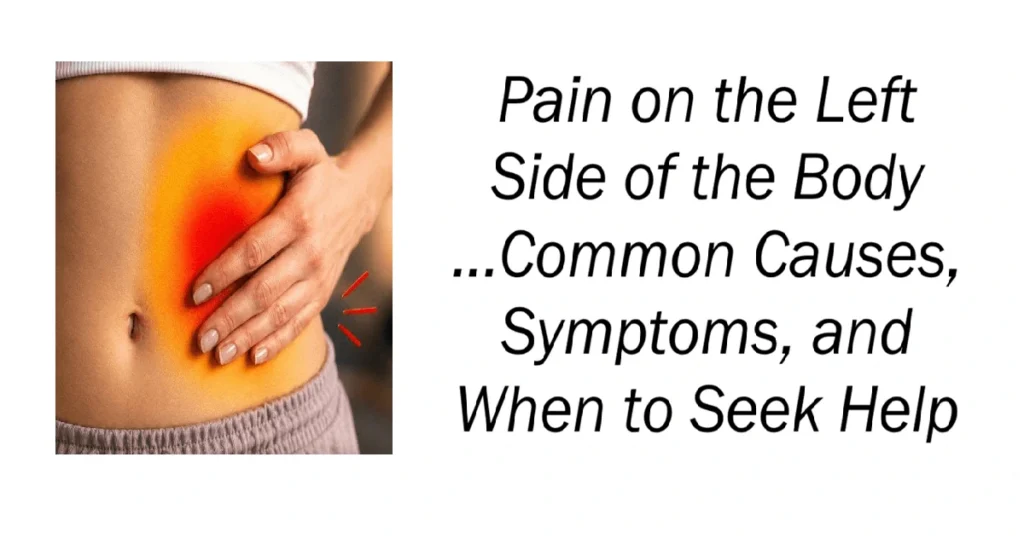
Pain on the Left Side of the Body …Common Causes, Symptoms, and When to Seek Help
Sudden discomfort on the left side of the body can be worrying, especially when it appears without warning or continues for an extended period. The sensation may range from a dull ache near the ribs to sharp abdominal pain or discomfort that radiates toward the back or side.
While left-sided pain can sometimes be caused by something minor, its location and accompanying symptoms can provide important clues about what may be happening. Understanding some of the common causes can help you recognize patterns and decide when it may be appropriate to seek medical advice.
Why Does Pain Occur on the Left Side?
The left side of the body contains several important organs and structures, including the stomach, spleen, pancreas, left kidney, parts of the large intestine, heart, and left lung. Muscles, nerves, and the spine can also contribute to pain in this area.
The cause of discomfort depends largely on where the pain occurs, what it feels like, how long it lasts, and whether other symptoms are present.
However, it is important not to assume the cause based on location alone. Many instances of mild discomfort are related to everyday issues such as digestion, muscle tension, or posture.
Common Causes of Upper-Left-Side Discomfort
Pain or discomfort in the upper-left abdomen, around the ribs, or beneath the rib cage may have several possible causes.
Digestive Problems
Bloating, indigestion, constipation, and heartburn can sometimes cause pressure, burning, or discomfort that is felt on the left side. Some people notice these symptoms after eating certain foods or having larger meals.
Muscle Strain
Muscle tension is another common possibility. Poor posture, heavy lifting, repetitive movements, or strenuous exercise can place additional stress on the muscles around the chest, ribs, and abdomen.
Musculoskeletal pain may become more noticeable with particular movements or positions and may improve with rest.
Possible accompanying sensations include:
- A burning or uncomfortable sensation after eating
- Tightness when taking a deep breath
- Muscle soreness
- Discomfort that changes with movement or stretching
Pain in the Lower Left Abdomen: What You Should Know
Discomfort in the lower-left abdomen is often associated with the digestive tract, particularly the large intestine.
Constipation, bloating, and irritable bowel syndrome (IBS) can cause cramping, pressure, or a feeling of fullness. Some people notice that digestive symptoms become more noticeable after dietary changes or during periods of stress.
Kidney-related problems can also cause discomfort in the left flank. Kidney stones or kidney infections, for example, may produce pain that extends toward the back or groin.
Because several different conditions can produce similar symptoms, persistent or unexplained pain should be assessed by a healthcare professional.
What If the Pain Spreads Across the Left Side?
Sometimes discomfort can affect a larger area, extending from the shoulder or chest toward the hip. Muscle tension, posture-related strain, and nerve irritation can contribute to widespread discomfort.
Some people with conditions that increase pain sensitivity, such as fibromyalgia, may also experience pain across larger areas of the body.
Everyday habits can play a role, too. The way you sit, sleep, work, exercise, and manage stress can influence how your body experiences and responds to discomfort.
Everyday Factors That May Contribute to Left-Sided Discomfort
Several lifestyle factors may contribute to mild muscle or digestive discomfort:
- Poor posture: Sitting for long periods, particularly while working at a desk or using a screen, can place uneven strain on muscles and the spine.
- Dehydration or insufficient fiber: These can contribute to constipation and digestive discomfort.
- Stress: Stress can increase muscle tension and may also affect digestion.
- Overexertion: Sudden or uneven movements during exercise can strain muscles on one side of the body.
- Shallow breathing: Stress and muscle tension may contribute to changes in breathing patterns and discomfort around the chest and ribs.
Recognizing these patterns may help you make small adjustments that support your overall well-being.
Practical Tips for Mild Discomfort
If your symptoms are mild and you have no warning signs, several simple habits may help:
Improve Your Posture
Try to sit or stand upright with your shoulders relaxed. If you work at a desk, take regular breaks and gently move or stretch your body.
Stay Hydrated
Drinking enough water throughout the day supports normal digestion and kidney function.
Eat Mindfully
A balanced diet containing fiber-rich foods such as vegetables, fruits, and whole grains can support healthy digestion. Smaller meals may also help some people who experience bloating or indigestion.
Try Gentle Heat
For discomfort that appears to be muscular, a warm compress may help relax tense muscles. Avoid excessive heat and protect your skin from burns.
Choose Gentle Exercise
Walking, gentle stretching, or light yoga may help with general muscle tension. Stop any activity that makes the pain worse.
These measures are intended for mild, non-urgent discomfort and should not be used to delay medical evaluation when symptoms are concerning.
When Should You Seek Medical Help?
Although many causes of left-sided discomfort are relatively minor, some symptoms require prompt medical attention.
Seek urgent medical care if pain is severe, sudden, or accompanied by symptoms such as:
- Shortness of breath
- Dizziness or fainting
- Nausea or vomiting
- Heavy sweating
- Severe weakness
- Pain spreading to the arm, shoulder, back, neck, or jaw
- Significant chest pressure or tightness
Persistent or recurring pain should also be evaluated, particularly if it interferes with your normal activities or is becoming progressively worse.
A healthcare professional can assess your symptoms, perform an examination, and determine whether further testing is necessary.
Common Causes at a Glance
| Location | Possible causes | Common sensations | Helpful first steps |
|---|---|---|---|
| Upper left chest/ribs | Muscle tension, indigestion, heartburn | Burning, aching, tightness | Rest, upright posture, smaller meals |
| Lower left abdomen | Bloating, constipation, IBS | Cramping, pressure, fullness | Hydration, balanced diet, gentle movement |
| Left flank/back | Muscle strain, kidney-related problems | Dull or sharp pain, possible radiation | Rest and medical assessment if persistent |
| Larger area of the left side | Muscle tension, nerve irritation, posture | Aching, tingling, sensitivity | Gentle movement and attention to posture |
This table is only a general guide. Similar symptoms can have very different causes, so it should not be used to diagnose a medical condition.
Simple Habits for Long-Term Well-Being
If you experience recurring discomfort, keeping a short symptom diary may be useful. Record when the pain occurs, what you ate, your activity level, sleep, stress levels, and anything that seems to make the symptoms better or worse.
This information can give you and your healthcare professional a clearer picture of possible patterns.
Relaxation techniques and slow, controlled breathing may also help reduce muscle tension associated with stress. Maintaining regular sleep, staying physically active within your limits, and managing stress can support overall health.
Conclusion: Listen to Your Body’s Signals
Pain on the left side of the body can have many possible causes, ranging from temporary muscle tension and digestive discomfort to conditions that require medical attention.
Pay attention to the location, intensity, duration, and accompanying symptoms rather than trying to diagnose the problem based on pain location alone. Simple lifestyle adjustments may help with mild discomfort, but severe, persistent, worsening, or unexplained symptoms should be assessed by a qualified healthcare professional.
Your body often gives you useful signals. Listening to those signals—and knowing when to seek professional advice—is an important part of looking after your health.
Frequently Asked Questions
What does pain on the left side of the body usually mean?
There is no single explanation. Common possibilities include muscle tension, digestive problems, constipation, posture-related strain, and other conditions. The significance depends on the location, severity, duration, and accompanying symptoms.
Can stress cause pain on the left side?
Stress can contribute to muscle tension and may affect digestion, potentially causing or worsening discomfort. However, new or significant pain should not automatically be attributed to stress.
When should I see a doctor about pain on my left side?
You should seek medical advice if the pain is severe, persistent, recurrent, worsening, or interfering with daily activities. Urgent medical attention is particularly important when pain occurs with symptoms such as chest pressure, shortness of breath, dizziness, fainting, severe weakness, or pain spreading to the arm or jaw.
Medical disclaimer: This article is intended for general informational purposes and does not replace professional medical advice, diagnosis, or treatment. If you are concerned about pain or other symptoms, consult a qualified healthcare professional.
You’ve just read Pain on the Left Side of the Body. Why not read Meet the Red-Fanged Wandering Spider