
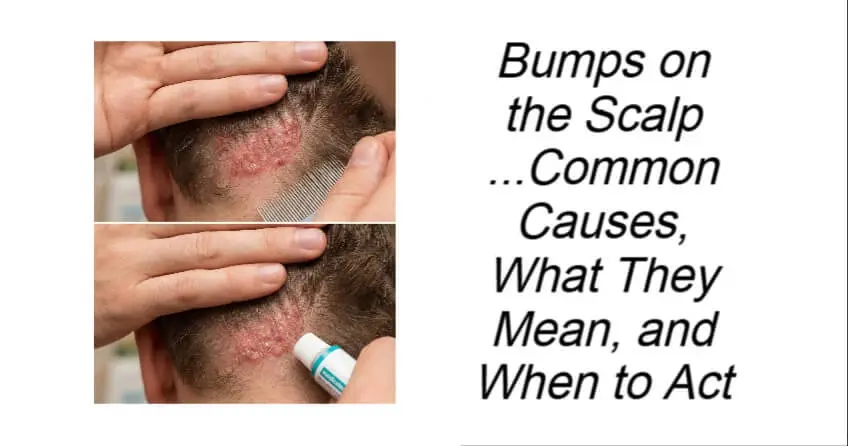
Bumps on the Scalp …Common Causes, What They Mean, and When to Act
Bumps on the scalp can appear for many reasons, ranging from simple inflammation and allergic reactions to infections or autoimmune conditions. In rare cases, they may signal something more serious, such as a form of skin cancer. While most scalp bumps are harmless, recognizing them early can reduce discomfort and help ensure proper treatment when needed.
Many people focus on hair care but overlook the health of their scalp. Yet the scalp plays a critical role in hair growth and overall hair health. Issues like flaking, itching, soreness, scabs, or bumps are surprisingly common—and studies show that an unhealthy scalp can contribute to irritation, thinning hair, and even hair loss.
How Scalp Bumps Are Usually Discovered
Scalp bumps often show up unexpectedly—while brushing your hair, washing your scalp, or running your fingers through your hair. Sometimes, someone else notices them first. In many cases, the cause is minor, such as clogged hair follicles or a mild allergic reaction. Still, understanding the source of the bumps can help you decide whether home care is sufficient or if a doctor’s visit is necessary.
Why Scalp Conditions Can Be Tricky
The scalp is sensitive and responds to a wide range of internal and external factors, including genetics, hygiene habits, stress, environmental exposure, and infections. Conditions like seborrheic dermatitis and folliculitis often involve bacteria or yeast, and many scalp issues can look similar at first glance. Because of this overlap, getting an accurate diagnosis is key to effective treatment.
Common Causes of Scalp Bumps
Some of the most frequent causes include:
- Seborrheic dermatitis: Often causes greasy, yellowish flakes and redness
- Folliculitis: Appears as tender or pus-filled bumps caused by infected follicles
- Pilar cysts: Firm, fluid-filled lumps that are usually painless and harmless
- Psoriasis: Produces thick, scaly patches that may itch or crack
Recognizing these patterns can help you better understand what might be happening on your scalp.
A Closer Look at Psoriasis Vulgaris
Psoriasis vulgaris is the most common form of psoriasis. It occurs when the immune system speeds up skin cell production, leading to red, scaly patches that may itch or become painful. While there’s no cure, flare-ups can often be managed by avoiding triggers such as stress, infections, cold weather, or certain skincare products.
Helpful Home Remedies (With Caution)
Some people find relief from mild symptoms using gentle home remedies like coconut oil, aloe vera, diluted apple cider vinegar, or limited sun exposure. These options may soothe irritation, but they’re not substitutes for medical care. If bumps are persistent, painful, spreading, or worsening, a professional evaluation is the safest way to get the correct diagnosis and treatment plan.
When to See a Doctor
If scalp bumps don’t improve, become painful, bleed, or are accompanied by hair loss or other symptoms, it’s important to consult a healthcare provider or dermatologist. Early attention can prevent complications and protect both scalp and hair health.
You’ve just read, Bumps on the Scalp. Why not read Manager Had To Hire A New Employee.