
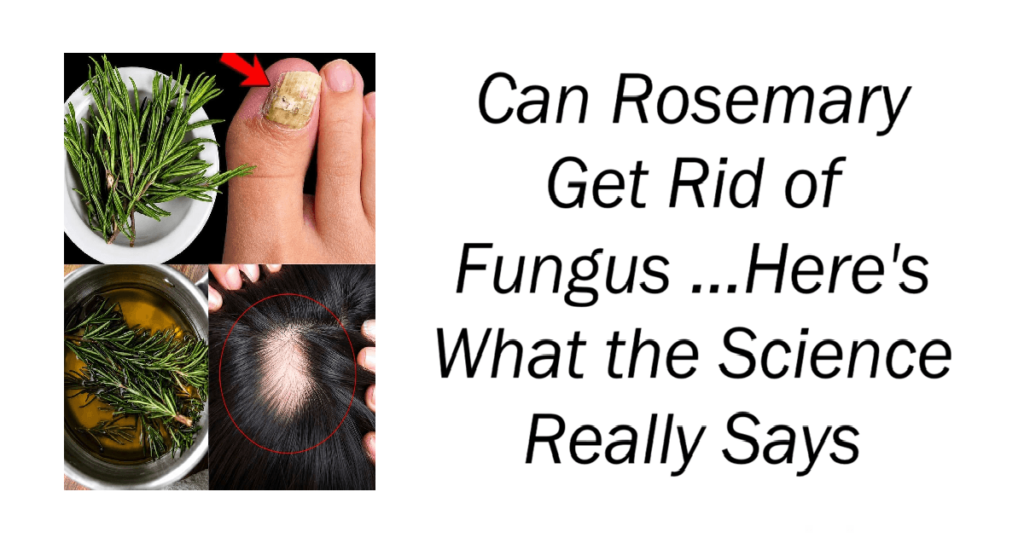
Can Rosemary Get Rid of Fungus …Here’s What the Science Really Says
If you’ve spent any time on social media lately, you’ve probably come across videos claiming that rosemary can eliminate fungus on the scalp, nails, hands, and feet in just a few days. These posts often show simple homemade remedies and promise fast, dramatic results.
But how much of that is actually true?
Rosemary is a remarkable herb with a long history of use in traditional medicine and natural skincare. It contains several beneficial plant compounds that may support healthy skin and hair. However, it’s important to separate popular internet claims from what scientific research actually shows.
Here’s a closer look at what rosemary can—and can’t—do when it comes to fungal infections.
Why Is Rosemary So Popular?
Rosemary (Rosmarinus officinalis) has been valued for centuries for both culinary and traditional wellness purposes. Today, it’s a common ingredient in many beauty and personal care products thanks to its naturally occurring compounds, including:
- Antioxidants
- Rosmarinic acid
- Essential oils
- Anti-inflammatory compounds
Because of these properties, rosemary is frequently found in:
- Hair oils and shampoos
- Scalp treatments
- Skin care products
- Herbal rinses
- Massage oils
Many people enjoy rosemary because it leaves the scalp feeling refreshed and the hair smelling clean and pleasant.
Can Rosemary Cure Nail Fungus?
This is where many viral claims become misleading.
Nail fungus is a persistent infection that often develops deep beneath the nail, making it difficult to treat with home remedies alone.
While laboratory studies have shown that rosemary essential oil has some antimicrobial activity against certain microorganisms, there is no strong clinical evidence that rosemary can completely eliminate an established fungal nail infection.
Most cases of nail fungus require one or more of the following:
- Prescription antifungal medications
- Medicated nail lacquers or solutions
- Antifungal creams (for surrounding skin)
- Evaluation by a healthcare professional
If a nail becomes thick, brittle, painful, or discolored, medical treatment is often the most effective option.
A Simple Rosemary Infusion for Scalp or Feet
Although rosemary isn’t a proven cure for fungal infections, many people enjoy using it as part of their regular self-care routine.
Ingredients
- 2 tablespoons fresh rosemary
- 2 cups water
Instructions
- Bring the water to a gentle boil.
- Add the rosemary.
- Simmer for 10–15 minutes.
- Allow the mixture to cool completely.
- Strain the liquid.
You can use the cooled infusion as:
- A refreshing scalp rinse after shampooing
- A relaxing foot soak
- A gentle rinse for healthy-looking skin
While this may leave the scalp and feet feeling refreshed, it should not replace medically recommended antifungal treatments.
What Are the Potential Benefits for Hair and Scalp?
Research suggests rosemary may offer several benefits for hair and scalp health.
Some studies indicate it may help support:
- A healthier scalp environment
- Improved hair appearance
- Increased hair thickness in certain individuals
- Reduced scalp irritation
These benefits generally develop gradually with consistent use, and results vary from person to person.
How to Help Prevent Fungal Infections
Prevention is often easier than treatment. Since fungi thrive in warm, damp environments, a few simple habits can help reduce your risk.
Keep Feet Clean and Dry
Wash your feet daily and dry carefully between the toes.
Change Socks Regularly
Fresh, dry socks help reduce moisture that encourages fungal growth.
Avoid Sharing Personal Items
Never share:
- Nail clippers
- Towels
- Shoes or slippers
- Socks
Practice Good Nail Care
Keep your nails trimmed, clean, and dry. If you regularly visit nail salons, make sure instruments are properly disinfected.
When Should You See a Healthcare Professional?
While mild skin irritation may improve with proper hygiene, persistent fungal infections usually require medical treatment.
Seek professional advice if you notice:
- Thickened or yellow nails
- Nails that become brittle or separate from the nail bed
- Persistent scalp irritation
- Ongoing itching or redness
- Cracked skin that doesn’t heal
- Symptoms that continue despite home care
Early treatment often produces better results and helps prevent the infection from spreading.
The Bottom Line
Rosemary is a wonderful herb that can be a refreshing addition to your hair and skincare routine. Its natural plant compounds may support scalp health and contribute to healthier-looking hair, but it is not an instant cure for fungal infections.
If you’re dealing with fungus on your nails, scalp, hands, or feet, it’s best to rely on treatments that have been proven effective through clinical research. Rosemary can complement good hygiene and self-care, but it shouldn’t replace professional medical advice or prescribed antifungal medications when they’re needed.
A balanced approach—combining healthy habits, proper hygiene, and evidence-based treatment—is the best way to keep your skin, scalp, and nails healthy.
You’ve just read Can Rosemary Get Rid of Fungus . Why not read Laundry Trick That Can Help Keep Whites Brighter