
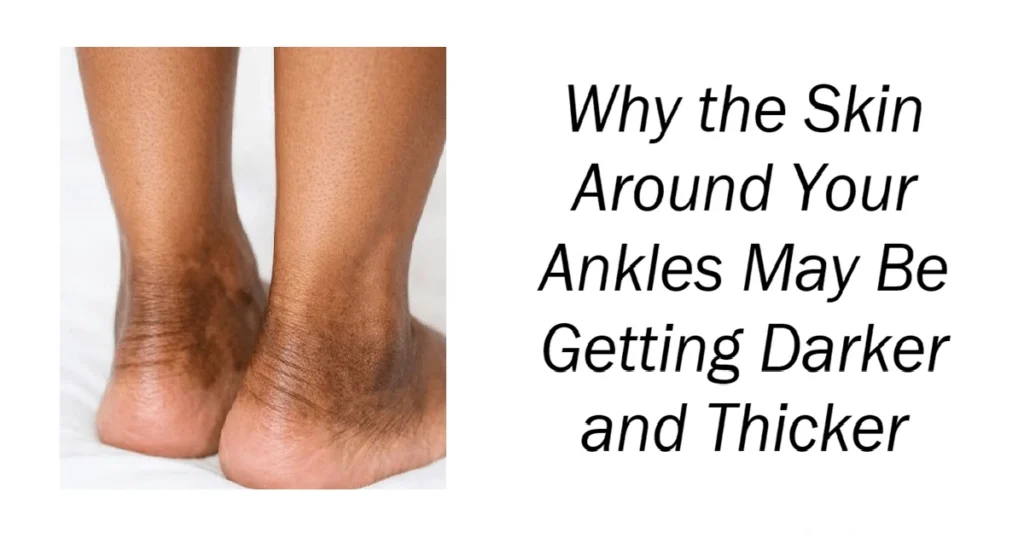
Why the Skin Around Your Ankles May Be Getting Darker and Thicker
Have you ever looked down at your ankles and noticed that the skin appears darker, rougher, or thicker than it used to? These changes often happen gradually, making them easy to miss at first. Then one day, the difference suddenly becomes noticeable—and understandably concerning.
While many people assume it’s simply dry skin or a normal part of aging, changes in skin texture and color can sometimes point to underlying issues in the body. The good news is that most causes are manageable and, in many cases, harmless. Still, your skin can provide important clues about your overall health, so it’s worth paying attention.
In this article, we’ll explore the common reasons behind dark, thickened skin around the ankles, what these changes may indicate, and simple ways to improve your skin health.
What Does Thickened, Darkened Skin Mean?
When skin becomes darker and thicker over time, it usually means the outer layer is responding to ongoing stress or irritation. This may include:
- Increased pigmentation (darkening)
- Rough or thickened texture
- Dryness and scaling
- Reduced softness or elasticity
These changes often appear gradually and are commonly seen on areas like the ankles, knees, elbows, and neck.
Common Causes of Dark, Thick Skin Around the Ankles
1. Friction and Constant Pressure
One of the most common causes is repeated rubbing or pressure on the skin.
Tight shoes, socks, ankle straps, or even certain fabrics can repeatedly irritate the area. In response, the skin tries to protect itself by becoming thicker and darker over time.
Signs of friction-related skin changes include:
- Rough patches
- Mild discoloration
- Thickened skin in areas exposed to rubbing
Switching to more comfortable footwear often helps prevent further irritation.
2. Dry Skin (Xerosis)
Dry skin is another very common reason for rough, darkened ankles.
When the skin lacks moisture, it can:
- Become flaky and itchy
- Look dull or darker than surrounding skin
- Develop a thicker texture over time
Cold weather, hot showers, harsh soaps, and dehydration can all worsen dryness. Thankfully, regular moisturizing can make a significant difference.
3. Hyperpigmentation
Hyperpigmentation occurs when the skin produces excess melanin, the pigment responsible for skin color.
This can happen due to:
- Sun exposure
- Skin irritation
- Inflammation
- Previous injury or scratching
Because ankles are often exposed to friction and environmental stress, they can become especially prone to uneven pigmentation.
4. Acanthosis Nigricans
In some cases, dark and velvety skin may be linked to a condition called Acanthosis Nigricans.
This condition is commonly associated with:
- Insulin resistance
- Weight gain
- Hormonal imbalances
- Prediabetes or diabetes
It often appears around the neck, underarms, elbows, or ankles. If the skin becomes noticeably velvety or spreads quickly, it may be worth discussing with a healthcare professional.
5. Poor Circulation
Circulation problems can also affect the appearance of the skin around the ankles.
When blood flow is reduced, the skin may:
- Appear darker
- Feel swollen or tight
- Become thicker over time
This is especially common in people who sit or stand for long periods during the day.
6. Eczema and Skin Irritation
Chronic skin irritation, including eczema, can lead to long-term skin changes.
Repeated itching or scratching may cause:
- Thickened skin
- Dark patches
- Rough texture
This process, known as lichenification, happens when the skin repeatedly tries to repair itself after irritation.
7. Hormonal Changes
Hormones can influence both skin texture and pigmentation.
Conditions involving:
- Thyroid imbalance
- Insulin fluctuations
- Hormonal disorders
may contribute to darker or thicker skin in certain areas of the body.
What Your Skin Might Be Telling You
Your skin often reflects what’s happening internally. Darkened or thickened skin around the ankles may signal:
- Ongoing friction or irritation
- Lack of hydration
- Poor circulation
- Possible metabolic or hormonal imbalance
Paying attention to these signs early can help you address small problems before they become larger concerns.
How to Improve the Appearance of Your Skin
The good news is that many causes of dark, thick skin can be improved with simple daily habits.
1. Moisturize Every Day
Hydration is essential for healthy skin.
Look for moisturizers containing ingredients like:
- Urea
- Glycerin
- Shea butter
- Ceramides
Daily moisturizing can soften rough areas and improve skin texture over time.
2. Reduce Friction
Avoid footwear or clothing that constantly rubs against your ankles.
Helpful tips include:
- Wearing soft, breathable socks
- Avoiding tight straps
- Choosing properly fitted shoes
Reducing irritation gives the skin time to heal naturally.
3. Exfoliate Gently
Gentle exfoliation can remove dead skin buildup and improve the skin’s appearance.
Try:
- Mild body scrubs
- Lactic acid lotions
- Soft exfoliating cloths
Avoid harsh scrubbing, as it can actually worsen pigmentation and irritation.
4. Maintain a Healthy Lifestyle
Healthy habits support healthy skin from the inside out.
Focus on:
- Drinking enough water
- Eating nutrient-rich foods
- Staying physically active
- Improving circulation through movement
Small lifestyle changes can often lead to noticeable improvements.
5. Monitor Any Changes
Keep an eye on how your skin responds to care.
If the area improves with hydration and reduced friction, the issue is likely minor. However, if the condition continues to worsen or spreads, further evaluation may be necessary.
When Should You See a Doctor?
Although many cases are harmless, medical attention may be needed if you notice:
- Rapid darkening or thickening
- Swelling or pain
- Skin changes spreading to other areas
- Persistent itching or discomfort
- No improvement after several weeks
A healthcare professional can help determine whether an underlying condition is contributing to the changes.
Common Mistakes to Avoid
To prevent worsening the condition:
- Don’t ignore persistent skin changes
- Avoid harsh skincare products
- Don’t over-exfoliate
- Avoid tight footwear for extended periods
Consistency and gentle care are usually more effective than aggressive treatments.
Final Thoughts
Dark, thickened skin around the ankles can develop for many reasons, ranging from simple dryness and friction to circulation or hormonal issues. In many cases, improving hydration, reducing irritation, and maintaining healthy daily habits can significantly improve the skin’s appearance.
At the same time, your skin can act as a window into your overall health. Paying attention to these changes—and responding early—can help you maintain both healthier skin and better well-being.
Sometimes, the smallest daily habits can make the biggest difference over time.
You’ve just read Skin Around Your Ankles. Why not read A Small Cavity Can Turn Into a Serious Problem