
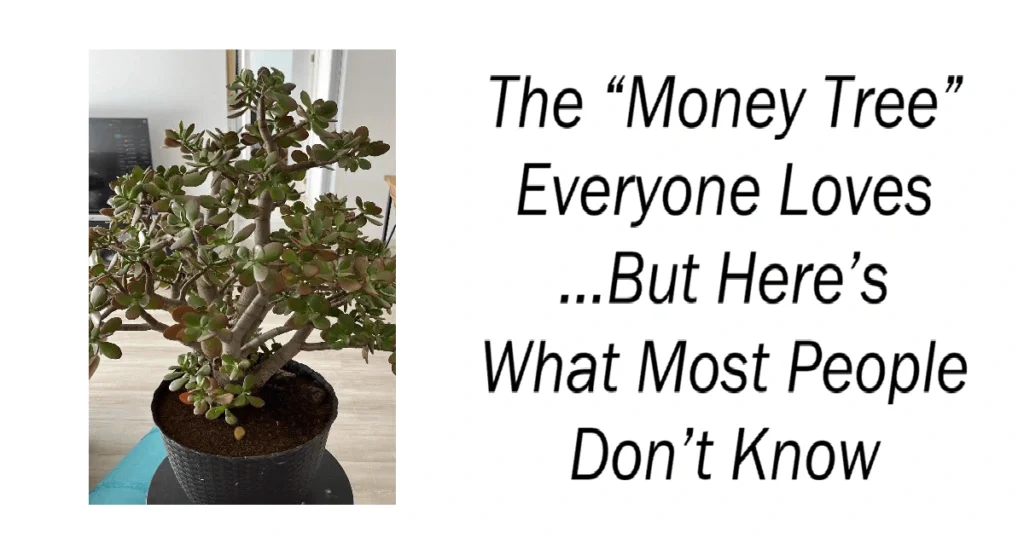
The “Money Tree” Everyone Loves …But Here’s What Most People Don’t Know
Walk into almost any home filled with plants, and there’s a good chance you’ll spot the beloved money tree sitting proudly by a window or in a cozy corner. Known for its lush green leaves and low-maintenance nature, this plant has long been associated with prosperity and good fortune.
But beyond its reputation for attracting wealth, there’s a lesser-known side to this popular houseplant—one that blends tradition, symbolism, and natural wellness.
More Than Just a Symbol of Prosperity
In Feng Shui, the money tree is believed to invite success, abundance, and positive energy into the home. Many people keep it nearby not just for decoration, but as a meaningful symbol of growth and stability.
There’s also a fascinating belief tied to its energy:
Some say the plant reflects the well-being of the people around it.
According to this idea, if the plant begins to wilt or lose vitality, it may be absorbing negative energy—often linked to stress or illness within the household. And when that energy shifts, the plant is said to recover, growing vibrant and green once again.
Whether symbolic or not, it’s a beautiful way to think about the connection between people and the natural world.
The Hidden Health Potential of the Money Tree
What many don’t realize is that the money tree—commonly known as Crassula—has been used in traditional remedies for its natural properties.
Its leaves are believed to contain compounds with:
- Anti-inflammatory effects
- Antiviral support
- Natural antibacterial qualities
- Flavonoids that support skin health
Because of these properties, some compare it to well-known healing plants like aloe vera.
However, there’s an important note:
👉 Use should be external only and done with care.
A Quick Word of Caution
Crassula has the ability to accumulate trace elements like arsenic in the wild. While houseplants typically grow in controlled, low-risk soil, it’s still recommended to use the plant cautiously and avoid internal consumption.
It’s also not recommended for:
- Pregnant or breastfeeding individuals
- Children under 12
When used properly, though, it can be a gentle addition to natural skincare routines.
Traditional Uses of Money Tree Leaves
Here are some of the most common ways people have used this plant in natural care:
For Calluses
Remove the thin outer layer of a leaf and place it directly on the affected area. Secure it with a bandage and leave it overnight.
Minor Burns
The leaf can be applied to small, non-blistered burns to help soothe the skin.
Cuts, Scrapes, and Bruises
Crush the leaves into a paste and apply it to the skin. Cover with a bandage and refresh every couple of hours.
Cold Sores
Extract juice from a clean leaf and apply it directly to the affected area using a cotton swab.
Insect Bites
Apply the juice every few hours to help reduce swelling and irritation.
Acne Care
Thanks to its anti-inflammatory and antiseptic qualities, freshly squeezed leaf juice can be applied to early breakouts—especially overnight—for best results.
A Plant That Gives More Than It Takes
The money tree is more than just a decorative piece or a symbol of wealth. It represents a deeper connection between nature, well-being, and daily life.
While it’s not a replacement for medical treatment, it can be a thoughtful addition to a natural lifestyle—especially when used responsibly.
Final Thoughts
Whether you keep a money tree for its beauty, its symbolism, or its potential natural benefits, one thing is certain: it brings a sense of calm and life into any space.
Just remember—like many natural remedies, its power lies in gentle, mindful use.
And who knows? Along the way, it might just bring a little extra positivity into your home too.
You’ve just read The “Money Tree” Everyone Loves. Why not read Flawless White Laundry Without Ironing