
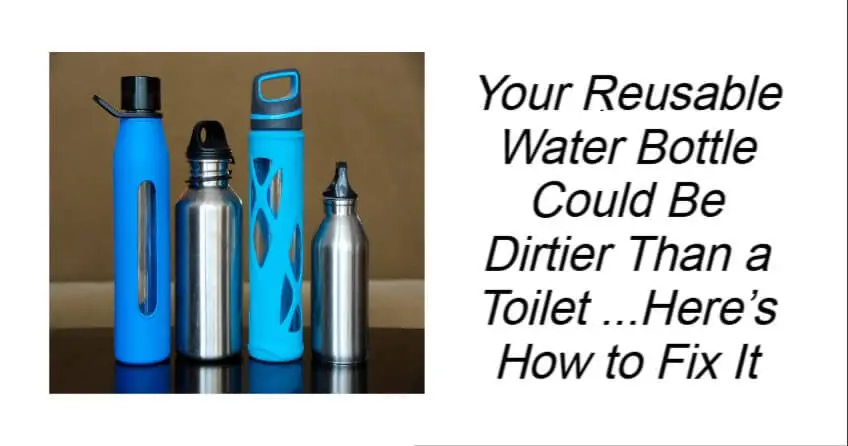
Your Reusable Water Bottle Could Be Dirtier Than a Toilet …Here’s How to Fix It
Reusable water bottles have become a must-have for anyone trying to stay hydrated while cutting down on single-use plastics. They’re eco-friendly, convenient, and stylish—but there’s a hidden downside: if they’re not cleaned properly, your bottle could be harboring more bacteria than a toilet seat. Surprising? Absolutely. But it’s also a wake-up call for better bottle hygiene.
Bacteria Hotspots You Might Be Overlooking
A study by researchers at WaterFilterGuru.com tested the microbial content of various reusable water bottles and found some shocking results. Certain bottles contained up to 40,000 times more bacteria than an average toilet seat. The worst offenders? Spout lids and straw-style tops, which are often difficult to clean thoroughly.
Even if the outside looks spotless, the inside—especially around the mouthpiece—can become a breeding ground for harmful microbes if bottles are refilled repeatedly without proper washing.
The Types of Bacteria Lurking Inside
Not all bacteria are harmless. The study highlighted two types of concern:
- Gram-negative rods: These can lead to infections such as pneumonia or bloodstream infections.
- Bacillus: Often non-toxic, but can cause foodborne illnesses if ingested in large amounts.
These bacteria thrive in moist, enclosed spaces—which makes a reusable water bottle, especially one kept at room temperature and refilled throughout the day, an ideal environment for them.
How Often Should You Clean Your Bottle?
Experts recommend a daily cleaning routine:
- Wash the bottle with hot, soapy water, making sure to scrub the lid, straw, and mouthpiece.
- Sanitize weekly using white vinegar or a diluted bleach solution, particularly if your bottle is used for anything other than water.
- For dishwasher-safe bottles, running them through the dishwasher can help eliminate bacterial buildup.
Tip: Plastic bottles can retain bacteria over time. For better hygiene, consider glass or stainless steel bottles, which are easier to clean and less likely to harbor microbes long-term.
Sustainability Doesn’t Mean Skipping Hygiene
Even with these bacteria concerns, reusable bottles are still far better for the environment than single-use plastics. The trick is balancing eco-conscious habits with proper sanitation. Making bottle cleaning part of your daily routine—like brushing your teeth or washing dishes—can dramatically reduce the risk of ingesting harmful microbes.
Bottom Line: A Clean Bottle Means a Healthy You
The idea that your reusable water bottle could be dirtier than a toilet might sound shocking, but it’s a helpful reminder: even sustainable habits need hygiene.
Next time you take a sip, ask yourself: When was the last time I really cleaned this bottle? Keeping your bottle clean isn’t just good for the planet—it’s good for your health too.
You’ve just read,Your Reusable Water Bottle Could Be Dirtier Than a Toilet . Why not read A Kangaroo Kept Escaping From The Zoo