
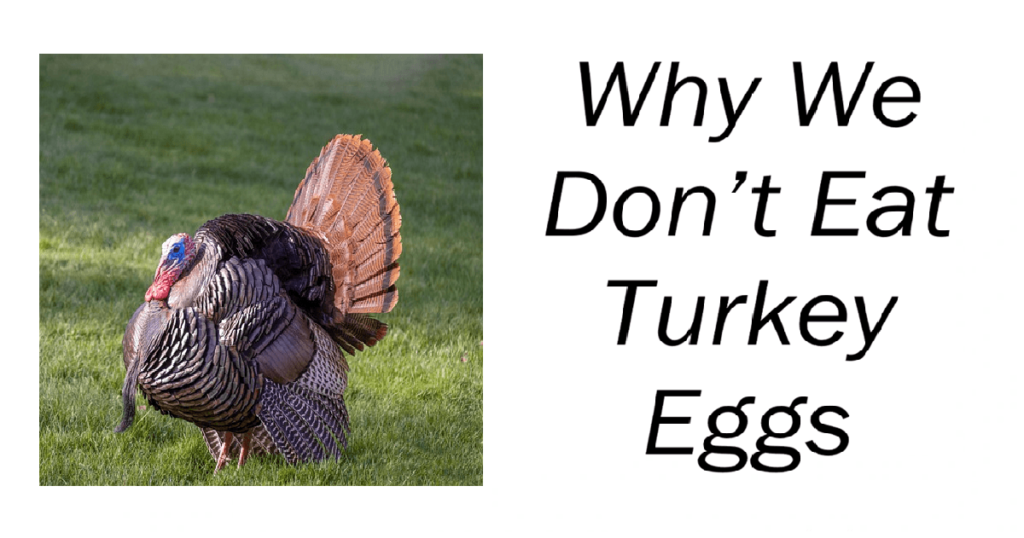
Why We Don’t Eat Turkey Eggs
Turkey is a staple on many dinner tables—especially during holidays like Thanksgiving and Christmas. But here’s a question most people never think to ask: if we eat turkey, why don’t we eat turkey eggs?
Walk into any supermarket and you’ll find chicken, duck, and even quail eggs. But turkey eggs? Almost never. The surprising part is that it’s not because they’re inedible or unappealing. In fact, people who’ve tried them often say they’re richer and creamier than chicken eggs.
So what’s really going on?
Yes, You Can Eat Turkey Eggs
Let’s clear up the biggest misconception first: turkey eggs are perfectly safe to eat. There’s nothing unusual or dangerous about them, and nutritionally, they’re quite similar to other eggs—just slightly larger and often described as more flavorful.
So the issue isn’t taste. It’s practicality.
The Real Problem: Cost and Efficiency
The main reason turkey eggs never became a supermarket staple comes down to economics.
Turkeys simply aren’t efficient egg producers. They take longer to mature—around seven months before they even begin laying eggs—while chickens start much earlier. On top of that, turkeys lay eggs far less frequently.
For farmers, that’s a major drawback. Fewer eggs over a longer period means higher costs per egg. To make a profit, producers would likely need to charge significantly more—sometimes estimated at around $3 per egg or over $30 per dozen.
For most shoppers, that price just doesn’t make sense when cheaper alternatives are readily available.
Bigger Birds, Bigger Costs
Turkeys are also more expensive to raise. They’re larger than chickens, which means they require more food, more space, and more overall care.
All of that adds up before a single egg is even produced. When you combine higher maintenance costs with lower egg output, turkey eggs become a tough sell on a large scale.
That’s why turkey farming has focused primarily on meat production instead. From a business perspective, selling the bird itself is far more profitable than relying on its eggs.
They Weren’t Always So Rare
Interestingly, turkey eggs weren’t always this hard to find. Before industrial farming optimized chicken egg production, people consumed a wider variety of eggs, including turkey.
But as chicken farming became faster, cheaper, and more efficient, chicken eggs quickly dominated the market. Over time, turkey eggs faded into the background—becoming more of a novelty than a household staple.
A Simple Explanation
In the end, the mystery isn’t so mysterious after all. Turkey eggs are rare not because they’re bad, but because they’re impractical.
They cost more to produce, take longer to obtain, and don’t fit well into large-scale farming systems. So while you could eat them, most people never do—simply because they’re not widely available.
Sometimes, the things we don’t see on store shelves aren’t there for complicated reasons. In this case, it all comes down to one simple truth: turkey eggs just don’t make good business sense.
You’ve just read Why We Don’t Eat Turkey Eggs . Why not read Husband Wanted an Open Marriage