
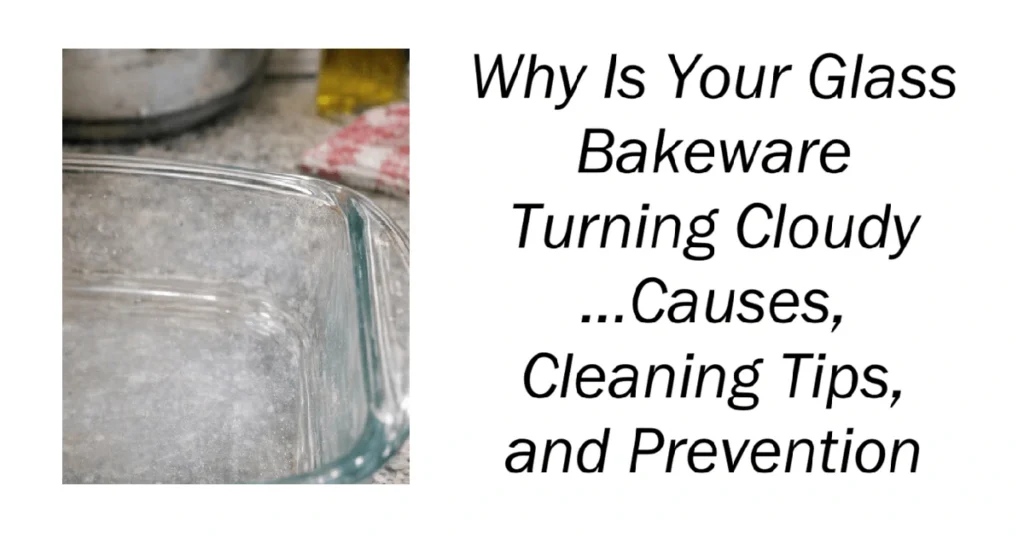
Why Is Your Glass Bakeware Turning Cloudy …Causes, Cleaning Tips, and Prevention
Glass baking dishes are kitchen essentials for a reason. They’re versatile, easy to clean, and perfect for everything from casseroles and roasted vegetables to cakes and desserts. But if you’ve ever pulled a favourite glass baking dish out of the dishwasher only to find a stubborn, cloudy white haze covering its surface, you know how frustrating it can be.
The good news? That cloudy appearance doesn’t always mean your bakeware is ruined. In many cases, it’s caused by mineral deposits from hard water that can be removed with a simple cleaning method. However, if the glass itself has become permanently etched, no amount of scrubbing will bring back its original clarity.
So, how can you tell the difference, and what can you do about it?
In this guide, we’ll explore the common causes of cloudy glass bakeware, explain whether it poses a safety concern, share effective cleaning methods, and offer practical tips to help keep your glass dishes looking their best for years to come.
1. What Is That Cloudy White Haze on Glass Bakeware?
That milky, white film on your glass baking dish is usually caused by one of two things: mineral deposits or permanent etching.
Mineral deposits are the most common culprit, particularly in areas with hard water. Hard water contains dissolved minerals, mainly calcium and magnesium, that can remain on glass surfaces after water evaporates. Over time, these minerals build up, leaving behind a cloudy or chalky appearance.
Glass etching, on the other hand, is a permanent change to the glass surface. It can occur after repeated exposure to harsh dishwasher detergents, high temperatures, and certain washing conditions. Instead of leaving a removable film on the glass, etching gradually alters its surface, making it appear dull or cloudy.
Although both problems can look similar, understanding which one you’re dealing with is the first step towards finding the right solution.
2. How Hard Water and Minerals Affect Glass
Hard water is water that contains relatively high levels of dissolved calcium and magnesium. When you wash your glass bakeware, these minerals can settle on the surface, particularly as water dries.
If your dishes are regularly washed in a dishwasher, the combination of mineral-rich water, heat, and detergent can make cloudy deposits more noticeable. Over time, the residue may become harder to remove with ordinary dish soap alone.
Etching is a different process. Certain dishwasher detergents and washing conditions can gradually damage the glass surface, creating microscopic changes that scatter light and make the dish appear hazy.
The important distinction is that mineral deposits sit on the surface, while etching changes the surface itself. One may be reversible with the right cleaning method; the other generally isn’t.
3. Is Cloudy or Etched Glass Bakeware Dangerous?
A cloudy appearance doesn’t automatically mean your glass bakeware is unsafe to use. If the haze is simply mineral buildup, it is generally a cosmetic issue that can often be resolved with proper cleaning.
Etching is more complicated. Although light surface haze doesn’t necessarily make a dish unsafe, visible deterioration can make it harder to assess the condition of the glass. Scratches, chips, and cracks are more concerning because they can increase the risk of breakage, especially when the dish is exposed to temperature changes.
Before using a cloudy baking dish, inspect it carefully for damage. If you notice cracks, chips, deep scratches, or other signs of deterioration, replacing the dish is the safer option.
It’s also worth remembering that glass bakeware can break because of thermal shock. Avoid sudden temperature changes, and follow the manufacturer’s instructions for heating, cooling, and handling your dish.
4. How to Tell Mineral Deposits From Soap Scum or Grease
Before trying different cleaning products, take a moment to identify what’s causing the haze. Mineral deposits, soap residue, grease, and permanent etching can all affect the appearance of glass, but they don’t respond to the same treatments.
Here are a few clues to look for:
- Mineral deposits: Usually appear as a white, chalky film that may respond to an acidic cleaner such as white vinegar.
- Soap residue: Often leaves a filmy appearance and may come away with warm water and washing-up liquid.
- Grease buildup: Tends to feel slippery or greasy and usually responds to detergent and thorough washing.
- Permanent etching: Creates a persistent, dull or cloudy appearance that remains even after the glass has been cleaned.
One simple test is to apply a small amount of white vinegar to an inconspicuous area. If the haze clears or becomes noticeably less visible, mineral deposits are a likely cause. If the cloudiness remains unchanged, etching may be responsible.
Keep in mind that this test isn’t definitive, but it can help you choose the most appropriate cleaning method.
5. Cleaning Methods That Won’t Restore Etched Glass
When glass bakeware turns cloudy, it’s tempting to reach for a scouring pad or a powerful cleaning product. Unfortunately, aggressive cleaning can do more harm than good.
Abrasive pads, steel wool, and gritty cleaners may scratch the glass or leave additional surface damage. Strong chemicals may also be unsuitable for certain types of bakeware and could damage surrounding materials or coatings.
More importantly, permanent etching cannot be reversed by ordinary household cleaning methods. If the glass surface itself has changed, removing surface residue won’t restore its original clarity.
Instead, start with warm water, mild washing-up liquid, and a soft sponge or cloth. If mineral deposits remain, try a gentle vinegar treatment before considering other options.
Avoid attempting to polish away the haze with abrasive products, and always check the manufacturer’s care instructions before using a new cleaner.
6. When Vinegar and Baking Soda Can Help
White vinegar and baking soda are popular household cleaning staples, but they work best when used for the right problem.
Using white vinegar for mineral deposits
White vinegar contains acetic acid, which can help dissolve mineral deposits left by hard water.
To try this method:
- Mix equal parts white vinegar and water.
- Apply the solution to the cloudy areas or soak the dish for around 15–30 minutes, provided the manufacturer’s care instructions allow it.
- Gently wipe the surface with a soft sponge or cloth.
- Rinse thoroughly and dry with a clean, soft towel.
If the haze is caused by mineral buildup, you may notice a visible improvement.
What about baking soda?
Baking soda can help loosen certain types of surface residue, but it is mildly abrasive. For that reason, it’s best not to scrub glass bakeware aggressively with a baking soda paste, particularly if you suspect etching.
Also, avoid mixing vinegar and baking soda together as your main cleaning solution. They react with one another, reducing the acidity that helps vinegar dissolve mineral deposits.
If neither method improves the haze, the glass may be permanently etched rather than simply dirty.
7. Simple Tests to Check for Permanent Etching
If your glass baking dish still looks cloudy after cleaning, a few simple checks may help you determine whether the damage is permanent.
Step 1: Clean the dish thoroughly.
Wash it with warm water and mild detergent to remove grease, food residue, and other surface contaminants.
Step 2: Try the vinegar test.
Apply diluted white vinegar to a small, inconspicuous area. If the haze noticeably diminishes, mineral deposits are likely contributing to the problem.
Step 3: Inspect the glass in good lighting.
Hold the clean, dry dish near a light source and look for a persistent, evenly distributed haze. If the cloudiness remains after cleaning and mineral removal, etching is a possibility.
Step 4: Check the surface and edges.
Look for chips, cracks, deep scratches, or other visible damage. Don’t run your fingers over damaged areas to test their roughness, as chipped glass can be sharp.
Avoid using toothpaste or other polishing compounds as a definitive test. Their effectiveness varies, and abrasive formulations may create additional scratches.
Although these checks can offer useful clues, they cannot always conclusively distinguish etching from other forms of surface damage.
8. Everyday Habits That Can Make Cloudy Glass Worse
Sometimes, the way you wash and dry your bakeware contributes to the problem. A few everyday habits can make mineral buildup more noticeable or increase the likelihood of glass etching.
Common culprits include:
- Washing with hard water: Mineral-rich water can leave deposits behind every time the dish is washed.
- Using too much dishwasher detergent: Excess detergent, particularly in soft water, may contribute to glass corrosion under certain conditions.
- Running frequent high-temperature dishwasher cycles: Repeated exposure to heat, detergent, and unsuitable water conditions can accelerate surface deterioration.
- Using abrasive cleaning tools: Scouring pads and gritty cleaners can scratch glass and make its surface look dull.
- Leaving dishes to air-dry: Water droplets can evaporate and leave mineral spots, especially in hard-water areas.
The solution isn’t necessarily to stop using your dishwasher. Instead, focus on using the right detergent amount, choosing suitable wash settings, and following the manufacturer’s care recommendations.
9. Smart Ways to Prevent Cloudy Buildup on Glass Bakeware
Once you’ve cleaned your glass dishes, a few small changes can help prevent the haze from returning.
Consider your water quality. If hard water is a recurring problem, a properly maintained water softener may help reduce mineral deposits throughout your home.
Use dishwasher rinse aid when appropriate. Rinse aid helps water drain more evenly from dishes, reducing water spots and mineral residue. Follow the dishwasher manufacturer’s instructions.
Measure detergent carefully. Use the amount recommended for your dishwasher and water conditions. More detergent doesn’t necessarily mean cleaner dishes.
Hand-wash when necessary. Warm water, mild washing-up liquid, and a soft sponge are good choices for glass bakeware when the manufacturer permits hand-washing.
Dry your dishes promptly. Using a clean, soft towel can reduce the mineral spots left behind when water evaporates.
Avoid sudden temperature changes. Never transfer hot glass bakeware directly into cold water or place cold glass into a hot oven unless the manufacturer specifically permits it.
These simple habits can help maintain the appearance of your bakeware while reducing the risk of avoidable damage.
10. When Should You Keep Using Cloudy Glass Bakeware?
The decision to keep or replace a cloudy baking dish depends on its condition, not just its appearance.
If the haze disappears after cleaning and the glass has no visible damage, the dish can generally continue to be used according to the manufacturer’s instructions.
If the glass remains cloudy but appears intact, the haze alone doesn’t necessarily mean it must be discarded. However, permanent etching can make the condition of the surface harder to assess, so inspect the dish carefully before use.
Replace the dish if you find:
- Cracks or hairline fractures.
- Chips around the rim or base.
- Deep scratches or obvious structural damage.
- Signs that the glass has deteriorated significantly.
If you’re uncertain about a damaged dish, it’s better to err on the side of caution. Glass bakeware can fail unexpectedly, particularly when subjected to sudden temperature changes.
11. What to Buy Instead: Choosing Bakeware for Your Next Kitchen Upgrade
If your glass baking dish has reached the end of its useful life, you have several alternatives to consider. The best choice depends on what you cook, how you clean your bakeware, and your preferred cooking style.
Borosilicate glass
Borosilicate glass is known for its relatively low thermal expansion, making it more resistant to thermal shock than many conventional glass formulations. However, it can still break, and resistance to thermal shock doesn’t mean it’s immune to etching or mineral buildup.
Always check the product’s instructions, as not all glass bakeware is suitable for the same temperatures or uses.
Ceramic bakeware
Ceramic dishes are popular for casseroles, gratins, and oven-to-table meals. They often retain heat well and come in a wide range of designs. Check for chips or cracks, and follow the manufacturer’s guidance regarding oven use and temperature changes.
Stainless steel bakeware
Stainless steel is durable, corrosion-resistant, and generally easy to maintain. It’s a practical option for roasting vegetables, baking certain dishes, and preparing foods where a metal pan is suitable.
However, stainless steel conducts heat differently from glass and ceramic, so cooking times and browning may vary.
Non-stick bakeware
Non-stick pans can make releasing food and cleaning up easier. If you choose this option, look for clearly labelled materials and follow the manufacturer’s temperature limits and care instructions. Avoid overheating the pan or scratching its coating.
Ultimately, you don’t necessarily need to replace all your glass bakeware. With appropriate cleaning and care, many glass dishes can remain useful for years.
Final Thoughts: Keep Your Glass Bakeware Clear and Ready for Baking
A cloudy white haze on glass bakeware can look alarming, but it doesn’t always mean your favourite dish is damaged beyond repair. In many cases, hard-water minerals are responsible, and a simple vinegar treatment can help restore the glass’s appearance.
The key is knowing the difference between removable residue and permanent etching. Clean gently, avoid abrasive tools, pay attention to your dishwasher settings, and take steps to reduce mineral buildup.
Most importantly, don’t judge a dish by its cloudiness alone. Check its condition carefully, look for cracks or chips, and follow the manufacturer’s instructions for safe use.
With the right care, you can keep your glass bakeware cleaner, extend its useful life, and spend less time worrying about cloudy dishes and more time enjoying what comes out of the oven.
You’ve just read Why Is Your Glass Bakeware Turning Cloudy. Why not read I Wanted to Help My Mother-in-Law