
Why Do Flight Attendants Sit on Their Hands During Takeoff and Landing
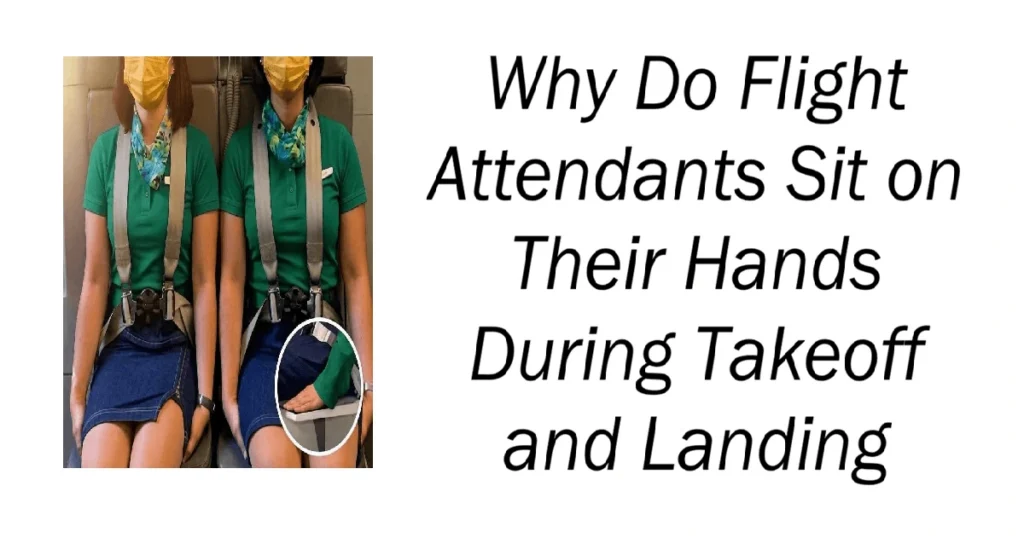
Have you ever looked toward the cabin crew during takeoff or landing and noticed something unusual? They’re sitting upright, secured in their seats—and sometimes, their hands are tucked neatly underneath their thighs.
At first glance, it might seem like an odd way to sit. But there’s a very practical reason behind it.
It’s All About Safety
Flight attendants are highly trained professionals, and even the smallest details of their posture can be part of their safety procedures.
During takeoff and landing, cabin crew members may adopt what is commonly referred to as a brace position. The purpose is to keep the body stable and reduce the risk of injury if the aircraft experiences a sudden impact or unexpected movement.
By keeping their hands tucked under their thighs rather than leaving their arms free, flight attendants can reduce the chance of their hands or arms being thrown around during a sudden jolt. Avoiding injuries to their hands and wrists is particularly important because they may need to assist passengers immediately after an incident.
Staying Ready for the Unexpected
The position also helps keep the body controlled and minimize unnecessary movement. The idea is simple: protect the crew member as much as possible so they can remain capable of responding if something goes wrong.
But there’s more happening than meets the eye.
While seated, flight attendants remain alert and focused. They may be mentally reviewing emergency procedures, monitoring the cabin, checking passenger conditions, and staying prepared to react quickly if an emergency occurs.
They aren’t simply waiting for the aircraft to reach cruising altitude.
Why Their Readiness Matters
In an emergency, passengers look to the cabin crew for direction. Flight attendants may need to give clear instructions, help passengers evacuate, operate emergency equipment, or assist people who need additional support.
That means their own safety is closely connected to the safety of everyone else on board.
Being physically protected and mentally prepared gives them a better chance of carrying out those responsibilities when every second matters.
A Small Detail With a Big Purpose
The next time you board a plane, take a moment to watch the cabin crew during takeoff and landing. That seemingly unusual posture is a reminder of just how much preparation goes into aviation safety.
Every movement has a purpose. Every procedure is practiced.
So, if you see a flight attendant sitting upright with their hands tucked under their thighs, don’t assume they’re simply getting comfortable.
They’re preparing for the unexpected—and making sure they’re ready to help protect the people in their care.
You’ve just read Why Do Flight Attendants Sit on Their Hands. Why not read Can You Spot the Pig Hidden in Plain Sight