
Why Are Yellow Drips Appearing on Your Walls
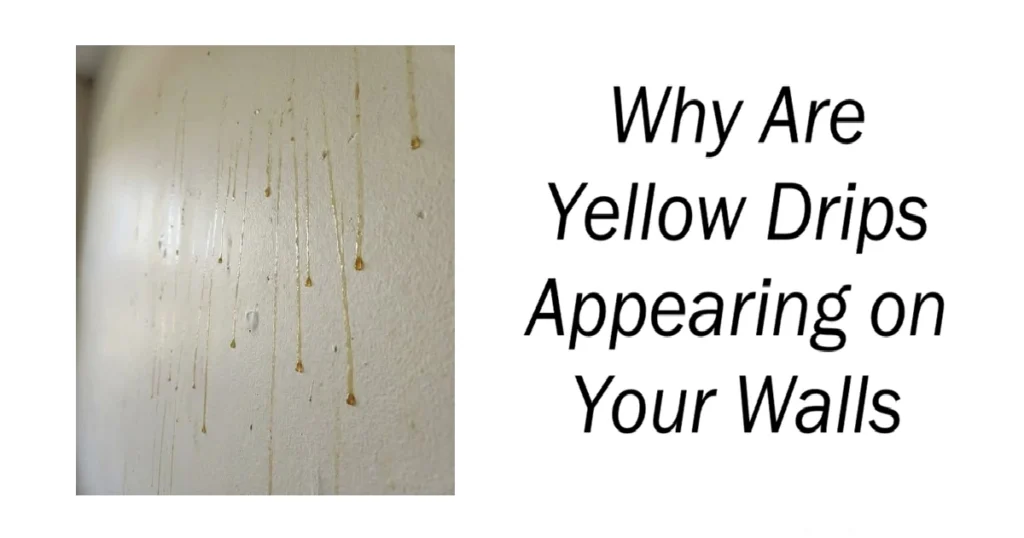
Have you ever stepped into your bathroom and noticed strange yellow or brownish streaks slowly running down the walls?
At first, it can feel alarming. Many people immediately worry about mold, leaks, or even bacteria spreading through the room.
But in most cases, those mysterious yellow drips are far less dangerous than they appear.
Bathrooms naturally collect moisture from:
- Hot showers
- Steam
- Condensation
- Humidity buildup
Over time, that moisture can pull residue from paint, smoke, oils, or minerals onto the surface of your walls—creating those unpleasant streaks.
The good news? Most yellow drips are harmless and easy to fix once you identify the cause.
Here’s what may actually be happening inside your bathroom.
1. Surfactant Leaching
The Most Common Cause
One of the biggest reasons for yellow drips on bathroom walls is something called surfactant leaching.
What Is It?
Many latex and acrylic paints contain chemicals called surfactants that help paint spread smoothly during application.
In humid environments like bathrooms, moisture can slowly pull these surfactants to the surface of the paint.
As they dry, they form sticky yellow or brown streaks.
What It Looks Like
- Amber or yellow drips
- Sticky or tacky texture
- Usually appears near ceilings or above showers
- Often worse in poorly ventilated bathrooms
Is It Dangerous?
No.
Surfactant leaching is completely cosmetic and does not indicate mold or structural damage.
How to Fix It
- Wipe walls gently with warm water and mild soap
- Dry thoroughly afterward
- Improve ventilation with fans or open windows
Once humidity is reduced, the problem often stops recurring.
2. Nicotine and Tobacco Residue
If someone smokes inside the home, tobacco residue may be responsible.
Smoke particles settle invisibly on walls over time. When humidity rises, the residue can “bleed” down the walls in yellow or brown streaks.
Signs of Nicotine Residue
- Sticky yellow-brown drips
- Strong odor
- Staining that reappears after cleaning
Is It Harmful?
Yes—thirdhand smoke residue can affect indoor air quality and may be harmful, especially for:
- Children
- Pets
- People with respiratory conditions
How to Clean It
Try:
- Vinegar and warm water
- Mild degreasers
- Smoke-stain cleaning products
In severe cases, repainting with a stain-blocking primer may be necessary.
3. Hard Water and Mineral Deposits
Bathrooms with poor ventilation often develop condensation on walls.
If your home has hard water, the moisture may leave behind mineral deposits as it evaporates.
What It Looks Like
- Yellowish or whitish streaks
- Chalky or crusty texture
- Most common near showers and sinks
Is It Harmful?
No.
These are simply leftover minerals from the water supply.
How to Remove It
Mix:
- 1 part vinegar
- 1 part water
Then wipe affected areas gently.
Reducing moisture buildup helps prevent future deposits.
4. Body Oils and Soap Scum
Steam doesn’t just carry water.
Tiny particles from:
- Soap
- Shampoo
- Conditioner
- Skin oils
- Hair products
can float through the air and settle on walls.
Over time, these particles create greasy yellow drips.
What It Looks Like
- Oily or slick streaks
- Slightly greasy feel
- Often appears near showers
Is It Harmful?
Not usually.
But buildup can attract dust and grime over time.
Best Cleaning Method
Use:
- Warm water
- Dish soap
- Mild bathroom degreasers
Regular cleaning helps prevent accumulation.
5. Aging or Low-Quality Paint
Sometimes the paint itself is the issue.
Older paints—or lower-quality formulas—can yellow naturally over time, especially in humid spaces with little sunlight.
Common Signs
- Yellow patches rather than drips
- Discoloration on white walls
- Smooth texture
Is It Dangerous?
No.
It’s simply part of paint aging and oxidation.
The Solution
Repainting with a moisture-resistant bathroom paint can dramatically improve appearance and durability.
6. Mold or Mildew
The Less Common—but Serious—Cause
Although yellow drips are usually not mold, mold growth can occasionally begin with yellowish discoloration before turning darker.
How Mold Looks Different
Unlike smooth stains, mold often appears:
- Fuzzy
- Powdery
- Textured
- Green, black, or dark yellow
It commonly develops in:
- Ceiling corners
- Around vents
- Behind toilets
- Near leaking fixtures
Is Mold Dangerous?
Yes.
Mold exposure may contribute to:
- Allergies
- Respiratory irritation
- Asthma symptoms
- Persistent odors
How to Remove It
Small areas can often be cleaned using:
- 1 part bleach
- 3 parts water
Or a commercial mold-removal product.
Most importantly, fix the underlying moisture issue to stop it from returning.
Quick Guide: Identifying the Cause
| Cause | Appearance | Texture | Common Location |
|---|---|---|---|
| Surfactant Leaching | Yellow or amber drips | Sticky | Ceiling, shower area |
| Nicotine Residue | Brown-yellow streaks | Tacky | Smoking areas |
| Hard Water | Yellow-white residue | Crusty | Near sinks/showers |
| Soap & Body Oils | Greasy yellow streaks | Slick | Around shower |
| Aging Paint | Yellow discoloration | Smooth | Entire wall |
| Mold/Mildew | Dark yellow/green spots | Fuzzy | Corners, damp areas |
How to Prevent Yellow Drips in the Future
The best prevention is controlling moisture.
Helpful habits include:
- Using an exhaust fan during showers
- Opening windows after bathing
- Wiping down walls occasionally
- Cleaning buildup regularly
- Repainting with bathroom-specific paint
- Avoiding indoor smoking
Better airflow makes a huge difference.
Final Thoughts
Yellow streaks on bathroom walls may look unpleasant, but they are usually harmless signs of moisture interacting with paint, residue, or buildup.
In most cases, the culprit is something simple like:
- Surfactant leaching
- Condensation
- Soap residue
- Aging paint
Only occasionally are the stains related to mold or more serious issues.
The key is learning to recognize the difference.
With proper cleaning, ventilation, and moisture control, you can keep your bathroom walls clean, dry, and streak-free for the long term.