
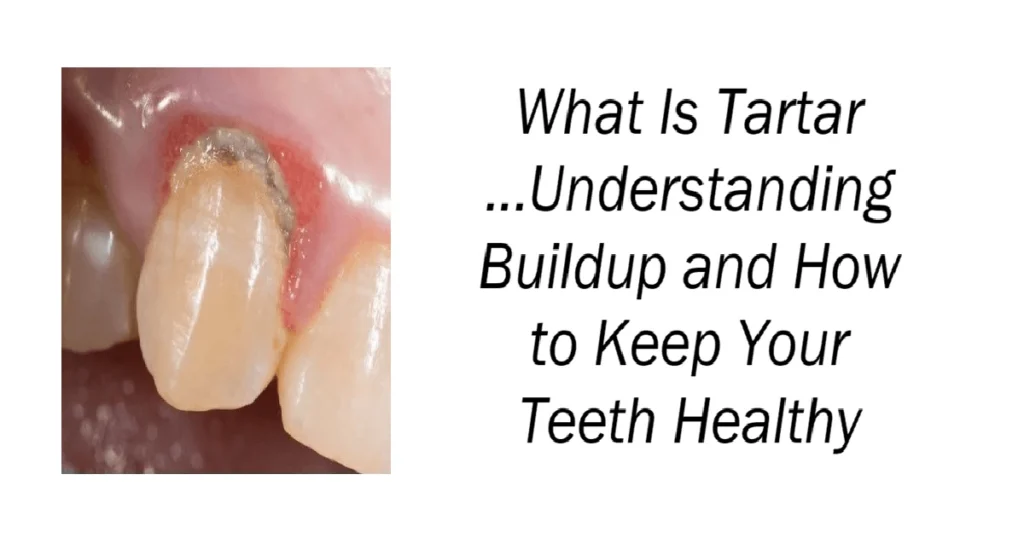
What Is Tartar …Understanding Buildup and How to Keep Your Teeth Healthy
Have you ever noticed a hard, yellowish or brownish buildup along your teeth and wondered what it is?
You may be looking at dental tartar, also known as calculus. It is extremely common, but unlike ordinary plaque, tartar cannot simply be brushed away at home.
The good news is that understanding how tartar forms—and how to prevent it—can make caring for your teeth much easier.
What Exactly Is Tartar?
Plaque is a sticky film that constantly develops on our teeth. It contains bacteria, food particles, and other substances found naturally in the mouth.
When plaque isn’t removed thoroughly through regular brushing and cleaning between the teeth, it can gradually harden as minerals in saliva become deposited in it.
That’s when plaque becomes tartar.
Once tartar has hardened, a toothbrush can’t remove it effectively. Trying to scrape it away yourself can also damage your enamel or injure your gums.
Professional dental cleaning is the safest way to remove established tartar.
Why Do Some People Develop More Tartar?
Everyone’s mouth is different, and some people naturally develop tartar more quickly than others.
Factors that can contribute include:
- The mineral composition of your saliva
- The position and shape of your teeth
- Crowded or irregular teeth that are difficult to clean
- Changes in oral hygiene habits
- Smoking or tobacco use
- Frequent consumption of sugary foods and drinks
- Certain health conditions or medications that affect the mouth
Rather than blaming yourself for tartar buildup, think of it as a reminder to pay a little extra attention to your daily oral-care routine.
What Happens If Tartar Is Left Untreated?
Tartar isn’t simply a cosmetic concern.
Because it provides a rough surface where plaque can accumulate, it can contribute to irritation and inflammation of the gums.
Over time, untreated gum disease can progress from gingivitis to periodontitis, a more serious condition that can damage the tissues and bone supporting your teeth.
Possible warning signs include:
- Red, swollen, or tender gums
- Bleeding when brushing or flossing
- Persistent bad breath
- Gum recession
- Loose teeth in advanced gum disease
This is why regular dental checkups and professional cleanings are so important.
Can You Remove Tartar Naturally at Home?
This is where it’s important to separate internet remedies from good dental advice.
You may have seen recipes recommending baking soda, salt, lemon juice, toothpicks, or other homemade mixtures to dissolve or scrape away tartar.
I wouldn’t recommend using these methods.
Once tartar has hardened, home ingredients cannot safely dissolve it away. Lemon juice is highly acidic and can contribute to enamel erosion, while aggressive brushing with abrasive substances such as salt or baking soda may irritate the gums or contribute to tooth wear.
And using a toothpick or other sharp object to scrape tartar can accidentally injure your gums or damage the surface of your teeth.
A homemade remedy may sound wonderfully simple, but when it comes to your teeth, gentle and proven care is the better choice.
The Simple Daily Routine That Helps
Fortunately, preventing plaque buildup doesn’t require a complicated routine.
Brush Twice a Day
Use a fluoride toothpaste and a soft-bristled toothbrush. Brush gently for around two minutes, paying attention to the gumline as well as the visible surfaces of your teeth.
Clean Between Your Teeth
A toothbrush can’t reach every space between your teeth.
Floss, interdental brushes, or another dentist-recommended method can help remove plaque from these areas.
Watch Your Diet
Frequent sugary snacks and drinks can increase the risk of tooth decay. Choosing water more often and limiting sugary foods can support better oral health.
Don’t Smoke
Smoking and tobacco use can significantly affect gum health and increase the risk of periodontal disease.
Keep Your Dental Appointments
Even an excellent home-care routine can’t remove established tartar.
Professional dental cleaning allows your dental team to remove calculus safely and check for early signs of gum disease or other problems.
A Little Prevention Goes a Long Way
There’s something reassuring about knowing that good oral health doesn’t have to be complicated.
You don’t need harsh ingredients or elaborate homemade treatments. A soft toothbrush, fluoride toothpaste, cleaning between your teeth, sensible eating habits, and regular dental care can go a long way.
And if you’ve already noticed tartar, don’t feel embarrassed. It’s incredibly common.
Instead of trying to scrape it away yourself, make an appointment with your dentist or dental hygienist and let a professional take care of it safely.
Your smile deserves gentle care—not a harsh DIY treatment.
The Takeaway
Plaque can be removed at home. Tartar generally cannot.
Once plaque hardens into tartar, professional dental cleaning is the safest and most effective way to remove it.
So, rather than reaching for lemon juice, salt, or a sharp toothpick, focus on the habits that really help: brush twice daily with fluoride toothpaste, clean between your teeth, limit frequent sugary foods and drinks, avoid tobacco, and keep up with your dental appointments.
A little consistent care today can make a big difference to the health of your smile tomorrow.
You’ve just read What Is Tartar. Why not read The Little Loop on the Back of Your Shirt