
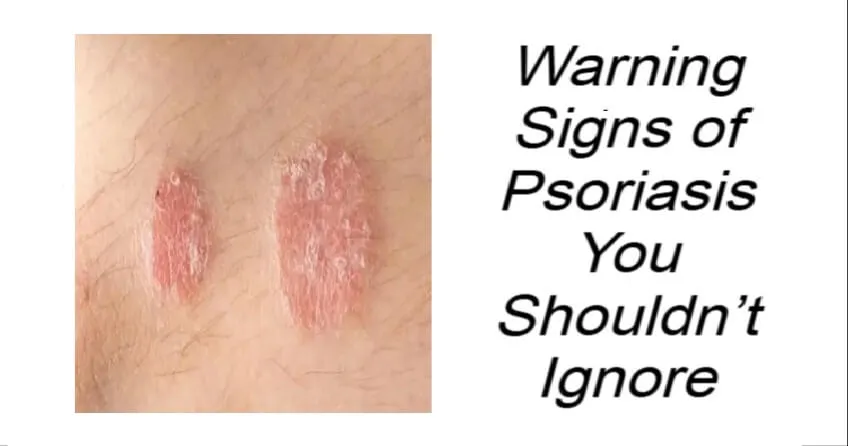
Warning Signs of Psoriasis You Shouldn’t Ignore
Psoriasis is a chronic autoimmune skin condition that affects millions worldwide. While not contagious, it can cause significant physical discomfort and emotional distress. Recognizing the symptoms early and understanding treatment options is key to effective management.
Types of Psoriasis and Key Symptoms
Psoriasis can appear in different forms, each with unique characteristics:
- Plaque Psoriasis
The most common type, marked by red, raised patches of skin covered with silvery-white scales. These patches often appear on the elbows, knees, scalp, and lower back. - Guttate Psoriasis
Presents as small, drop-shaped lesions, usually triggered by bacterial infections such as strep throat. More common in children and young adults. - Pustular Psoriasis
Characterized by red, inflamed skin topped with white, pus-filled blisters. It can appear on the hands and feet or cover large areas of the body. - Inverse Psoriasis
Affects moist areas like the armpits, groin, and under the breasts. It appears as smooth, red lesions without scaling and can be worsened by friction and sweating. - Erythrodermic Psoriasis
A rare and severe form that causes widespread redness, peeling, and intense burning or itching. It is a medical emergency and requires immediate care.
What Causes Psoriasis?
Psoriasis is an autoimmune condition, meaning the immune system mistakenly attacks healthy skin cells. This leads to rapid skin cell turnover, resulting in the buildup of cells on the surface.
Common Triggers Include:
- Genetics: Family history is a strong risk factor.
- Infections: Especially strep throat (for guttate psoriasis).
- Stress: Can worsen flare-ups.
- Medications: Such as beta-blockers, lithium, and antimalarials.
- Alcohol and Smoking: Both can increase the severity of symptoms.
- Cold Weather: Dry air and lack of sunlight can trigger outbreaks.
Diagnosis and When to See a Doctor
Most cases of psoriasis are diagnosed through a physical examination by a dermatologist. In uncertain cases, a skin biopsy may be performed to confirm the diagnosis.
You should consult a doctor if you experience:
- Persistent red patches, scaling, or itching
- Sudden appearance of small red spots
- Painful skin lesions or blisters
- Signs of psoriatic arthritis (joint pain, stiffness, swelling)
Early diagnosis can prevent complications and improve your ability to manage symptoms.
Treatment Options for Psoriasis
While there is no cure, treatments can significantly reduce symptoms and improve quality of life.
1. Topical Treatments
- Corticosteroids: Reduce inflammation and slow skin cell turnover.
- Vitamin D analogs (e.g., calcipotriene): Help control scaling and growth.
2. Phototherapy (Light Therapy)
- Controlled exposure to UVB or PUVA light can slow skin cell growth.
3. Systemic Treatments
- For moderate to severe cases, oral or injectable medications such as methotrexate, cyclosporine, or biologic drugs (e.g., adalimumab, etanercept) may be prescribed.
Stay Proactive About Psoriasis
Psoriasis is a lifelong condition, but with the right approach, it can be effectively managed. Pay attention to symptoms, understand your triggers, and don’t hesitate to seek medical help.
Managing psoriasis is not just about treating the skin—it’s about improving your overall well-being.
You’ve just read, Warning Signs of Psoriasis You Shouldn’t Ignore. Why not read Husbands Tries To Get Clever With His Wife