
Warning Signs of Clogged Arteries You Should Never Ignore
I’ve always tried to stay on top of my health, but it wasn’t until I learned more about clogged arteries that I realized how quietly heart problems can develop. It’s unsettling to think that something as essential as our blood vessels can slowly become blocked without obvious symptoms. The truth is, recognizing the warning signs early can make a huge difference in preventing serious complications like heart attacks or strokes.
Awareness is the first step. Taking action is the second.
What Happens When Arteries Become Clogged?
Your arteries play a critical role in keeping your body functioning properly. They carry oxygen-rich blood from your heart to your brain, muscles, and organs. Healthy arteries are flexible and unobstructed, allowing blood to flow freely.
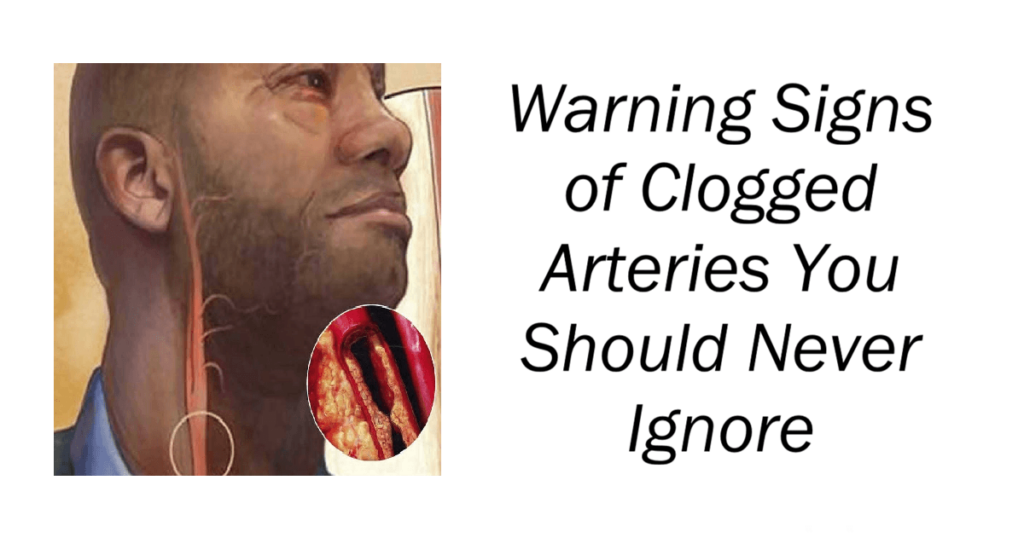
Over time, however, plaque made up of fat, cholesterol, calcium, and other substances can build up inside artery walls. This condition, known as atherosclerosis, narrows the arteries and restricts blood flow. Left untreated, it can lead to severe cardiovascular problems.
Why Early Detection Matters
The signs of clogged arteries can sometimes appear subtle at first, which is why many people ignore them. Catching these symptoms early may help you avoid serious health complications down the road.
The good news? Lifestyle changes like eating a heart-healthy diet, staying active, quitting smoking, and managing stress can significantly improve cardiovascular health. In some cases, medication or medical procedures may also be necessary.
If you notice any of the following warning signs, it’s important to speak with a healthcare professional.
1. Nausea
Nausea can be linked to many different health conditions, but ongoing or unexplained queasiness may also signal poor blood flow. If nausea becomes persistent without a clear cause, it’s worth discussing with your doctor.
2. Chest Pain (Angina)
Chest pain is one of the most common signs of restricted blood flow to the heart. Often referred to as angina, this discomfort may feel like pressure, tightness, or heaviness in the chest.
The pain can also spread to the arm, shoulder, jaw, neck, or upper back. Never ignore recurring chest discomfort—especially if it worsens with activity.
3. Shortness of Breath
Feeling breathless after intense exercise is normal. However, struggling to catch your breath while resting or doing simple daily activities may indicate reduced blood flow or clogged pulmonary arteries.
Persistent shortness of breath should always be evaluated by a medical professional.
4. Weakness or Numbness on One Side of the Body
When carotid arteries—the vessels that supply blood to the brain—become narrowed, blood circulation to the brain may decrease. This can lead to numbness, weakness, or tingling on one side of the body.
These symptoms should never be ignored, as they may also indicate an increased risk of stroke.
5. Slurred Speech
Sudden difficulty speaking clearly or forming words properly can sometimes result from reduced blood flow to the brain. Slurred speech is considered a serious warning sign and requires immediate medical attention.
6. Vision Problems or Vision Loss
Blurred vision, temporary blindness, or vision loss in one eye may occur when blood flow to the eyes becomes restricted.
Even temporary vision changes can point to artery-related problems and should be checked by a healthcare provider promptly.
7. Leg Pain
Pain in the legs—especially during walking or physical activity—can sometimes be caused by peripheral artery disease (PAD). This happens when plaque buildup limits circulation to the limbs.
If leg pain appears without injury or becomes recurring, it may be time for a vascular evaluation.
8. Cold Feet
Cold feet aren’t always caused by the weather. Poor circulation due to blocked arteries can prevent warm blood from reaching your feet and toes efficiently.
If your feet constantly feel cold while the rest of your body feels normal, poor circulation could be the reason.
9. Slow-Healing Wounds on the Feet
Cuts, sores, or wounds that heal slowly may indicate inadequate blood flow. Since oxygen and nutrients are essential for healing, blocked arteries can significantly delay recovery.
This symptom is especially important for people with diabetes or existing circulation issues.
10. Heart Palpitations
Occasional heart flutters can happen to anyone, but persistent or sudden palpitations may point to cardiovascular issues. You may notice pounding, racing, or irregular heartbeats that appear unexpectedly.
If these sensations last more than a few seconds or occur frequently, consult your doctor for evaluation.
Final Thoughts
Learning the signs of clogged arteries isn’t about living in fear—it’s about staying informed and proactive about your health. Recognizing symptoms early can lead to faster treatment, better outcomes, and potentially life-saving interventions.
Your body often sends warning signals before a major health event occurs. The key is listening to them.
Important Reminder
This article is intended for informational purposes only and should not replace professional medical advice, diagnosis, or treatment. If you suspect you may have clogged arteries or are experiencing any concerning symptoms, seek guidance from a qualified healthcare provider as soon as possible.
You’ve just read Warning Signs of Clogged Arteries . Why not read When Someone Keeps Appearing in Your Thoughts