
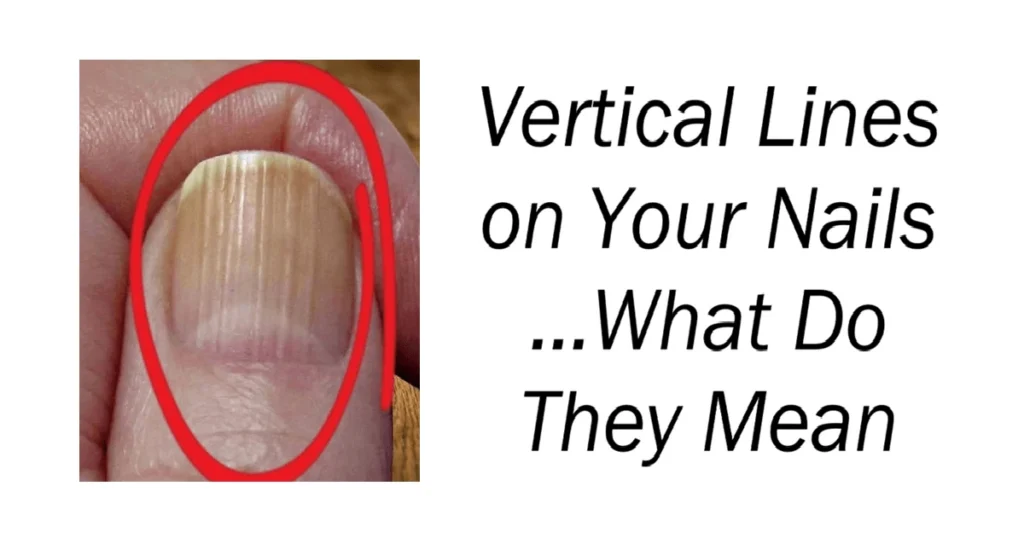
Vertical Lines on Your Nails …What Do They Mean
Have you ever looked closely at your nails and noticed faint lines running from the base of the nail to the tip?
These markings, often called longitudinal ridges or vertical nail ridges, are extremely common. For many people, they become more noticeable with age and are simply part of the natural changes that occur in the nails over time.
Although they can look concerning at first, vertical ridges are usually harmless. However, certain changes in the appearance or texture of your nails may deserve a closer look.
What Are Vertical Nail Lines?
Vertical nail lines are raised ridges that extend lengthwise from the cuticle toward the tip of the nail.
They are different from horizontal grooves or lines, which can sometimes develop after illness, injury, or other disruptions to nail growth.
Vertical ridges, on the other hand, are generally considered a common nail change and tend to become more noticeable as people get older.
Why Do Vertical Ridges Become More Visible With Age?
As we age, our nails can gradually become thinner, drier, and less smooth. Changes in nail growth and the structure of the nail can make naturally occurring ridges easier to see.
The nail matrix—the area beneath the base of the nail that produces new nail cells—plays an important role in nail growth. As nail growth changes over time, variations in texture can become more apparent.
Dry skin around the nails and repeated exposure to water, soaps, detergents, or other substances can also make ridges appear more prominent.
So, in many cases, those little lines are simply another visible reminder that our bodies change as we get older.
Can Vertical Nail Ridges Ever Indicate a Health Problem?
Most vertical nail ridges are not a sign of serious illness. Still, it is worth paying attention if the appearance of your nails changes suddenly or if several unusual symptoms occur at the same time.
Consider speaking with a healthcare professional if you notice:
- Ridges that suddenly become much deeper or change rapidly
- Significant changes in nail color
- A new dark streak or band running along the nail
- Nails that become unusually brittle or begin splitting frequently
- Changes in the shape or thickness of the nail
- Pain, swelling, or inflammation around the nail
In some circumstances, changes in the nails can occur alongside nutritional deficiencies, skin conditions, trauma, infections, or other health issues. However, nail appearance alone cannot reliably diagnose a particular condition.
If a change is new, persistent, or unusual for you, getting it professionally assessed is the safest approach.
How to Care for Nails With Vertical Ridges
You may not be able to eliminate natural nail ridges completely, but good nail care can help keep your nails healthy and improve their appearance.
Keep Your Nails and Cuticles Moisturized
Dryness can make ridges look more obvious. Applying a moisturizer or cuticle oil regularly can help reduce dryness and keep the surrounding skin comfortable.
Eat a Balanced Diet
A varied diet provides the nutrients your body needs for healthy nail growth. Protein and nutrients such as iron and zinc play important roles in normal body function.
Rather than taking supplements automatically, focus on a balanced diet and speak with a healthcare professional if you suspect a nutritional deficiency.
Protect Your Nails From Harsh Chemicals
Frequent exposure to strong cleaning products, solvents, and nail-polish removers can contribute to dryness and irritation.
Consider wearing protective gloves when using household cleaning products and avoid excessive use of harsh nail treatments.
Avoid Excessive Buffing
Lightly buffing the surface of a nail may temporarily make ridges less noticeable. However, aggressive or frequent buffing can thin the nail and make it weaker.
If you choose to buff, keep it gentle and occasional.
Don’t Pick or Cut Your Cuticles Aggressively
The cuticle helps protect the area where the nail grows. Avoid cutting or picking at it excessively, as this can cause irritation or increase the risk of infection.
What About Biotin?
Biotin is often marketed as a supplement for stronger hair and nails. While biotin deficiency can affect nail health, true deficiency is uncommon, and supplements are not automatically necessary for people with normal nutrition.
If your nails have changed significantly, it is better to discuss the possible cause with a healthcare professional rather than assuming you need a particular supplement.
The Bottom Line
Vertical lines on the nails are usually harmless and commonly become more noticeable with age. They are often simply a result of natural changes in nail growth and texture rather than a warning sign of serious disease.
Keeping your nails moisturized, protecting them from harsh chemicals, avoiding excessive buffing, and maintaining a balanced diet can all support healthy-looking nails.
At the same time, don’t ignore sudden or unusual changes. New discoloration, significant changes in nail shape or texture, pain, or rapidly worsening symptoms are good reasons to seek professional advice.
Your nails can sometimes provide useful clues about what’s happening in your body—but they should not be used to diagnose a health condition on their own.
You’ve just read Vertical Lines on Your Nails. Why not read This Common Egg Mistake Could Make You Seriously Sick