
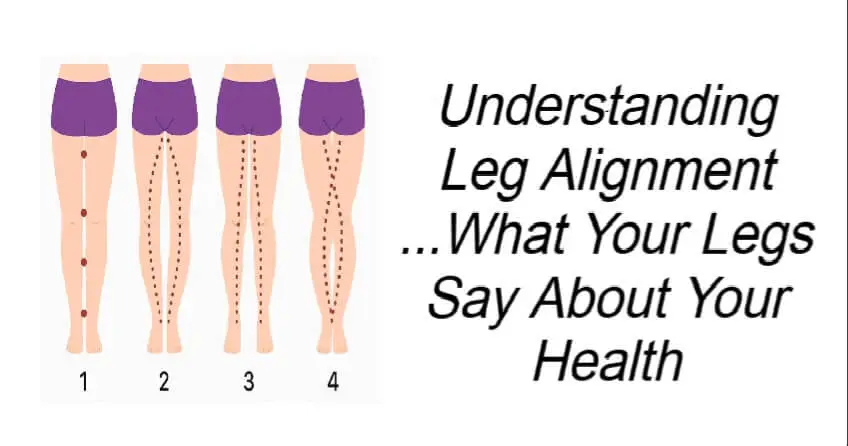
Understanding Leg Alignment …What Your Legs Say About Your Health
When it comes to posture, most people think about their spine or shoulders. But your leg alignment is just as important—and often overlooked.
The way your hips, knees, and ankles line up can affect everything from joint health to your risk of injury. Whether it’s a subtle imbalance or a noticeable deformity, leg alignment plays a major role in how your body moves, supports weight, and ages over time.
Here’s a breakdown of the most common leg alignment types—and why they matter.
1. Neutral Alignment (Normal Posture)
This is what’s considered ideal leg alignment. In this position, your hips, knees, and ankles form a straight vertical line. The weight of your body is evenly distributed across your joints, promoting smooth, efficient movement.
Visual cues:
- Knees and ankles naturally touch when standing
- No visible inward or outward curve in the legs
Why it matters:
Neutral alignment reduces joint stress and wear-and-tear over time, helping prevent issues like osteoarthritis and lower back pain.
2. Genu Varum (Bowlegs)
Bowlegs occur when the knees stay far apart—even when the ankles are together—creating an outward curve of the legs.
Common causes:
- Normal in toddlers (usually self-corrects with age)
- Rickets (vitamin D deficiency)
- Bone growth disorders
- Arthritis, especially in older adults
Potential issues:
- Uneven pressure on the knees
- Increased risk of joint degeneration
- Altered walking patterns
3. Genu Valgum (Knock Knees)
In knock knees, the knees touch but the ankles remain apart, forming a noticeable inward angle. The legs create a “V” shape when viewed from the front.
Common causes:
- Genetics
- Growth plate injuries
- Excess weight or obesity
- Bone development abnormalities
Potential issues:
- Knee pain and instability
- Altered gait (walking pattern)
- Increased risk of early-onset osteoarthritis
4. Windswept Deformity
This rare condition involves asymmetrical alignment—one leg is bowlegged (varus) while the other is knock-kneed (valgus). It’s most often seen in children with underlying skeletal or neuromuscular disorders.
Often associated with:
- Congenital bone disorders
- Cerebral palsy
- Skeletal dysplasia
Why it’s important:
Windswept deformity may be a red flag for a more serious condition and often requires medical intervention, such as bracing or even surgery.
Why Leg Alignment Matters
While some alignment issues may seem cosmetic, they can have real consequences for your health:
- Chronic knee pain
- Hip and lower back problems
- Higher risk of injury during sports or everyday movement
- Uneven wear on joint cartilage (leading to arthritis)
In growing children, catching misalignment early can help avoid long-term problems.
Diagnosis and Treatment
If you or your child has unusual leg posture, it’s a good idea to see an orthopedic specialist or physical therapist. They may recommend:
Evaluation methods:
- Gait analysis
- X-rays
- Physical exams
Treatment options:
- Targeted physical therapy
- Orthotic insoles or leg braces
- Nutritional support (e.g., vitamin D supplementation)
- Surgical correction (in severe or persistent cases)
Final Thoughts: Keep an Eye on Leg Alignment
From neutral stance to bowlegs, knock knees, and windswept deformities, the way your legs align gives valuable insight into your musculoskeletal health. Even small misalignments can add up over time, especially during childhood development or high-impact activities.
When in doubt, get checked out. Early intervention can protect joints, improve mobility, and boost long-term well-being.
You’ve just read, Understanding Leg Alignment. Why not read Husbands Tries To Get Clever With His Wife