
The Relationship Between Breast Size and Hormonal Health …What Every Woman Should Know
The perception of breast size has long been shaped by cultural beliefs and persistent myths. Many women wonder whether the size of their bust has any impact on hormonal health or overall well-being. In this article, we explore the biological truth behind breast size, debunk common misconceptions, and share natural wellness tips for women of all body types.
The Biology Behind Breast Size
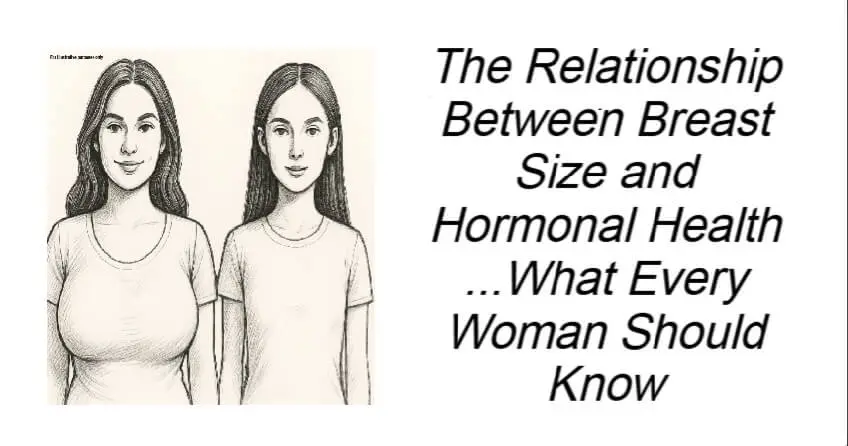
A woman’s breast size is primarily influenced by genetics and hormonal activity, particularly estrogen and progesterone, which regulate breast tissue development during puberty and beyond.
Other factors can also influence breast size over time:
- Body weight (breasts are composed of fatty tissue)
- Age
- Pregnancy and breastfeeding
- Lifestyle and fitness levels
It’s important to emphasize: having small breasts does not mean you are hormonally imbalanced or unhealthy. Breast size is just one of many physical traits shaped by your genes.
Busting the Myths About Breast Size and Health
One of the most common myths is that larger breasts = better hormonal health or that smaller breasts = lower femininity or fertility. This is not true.
In reality:
- Women with small breasts can have perfectly healthy hormone levels.
- Women with large breasts are not automatically more “feminine” or healthier.
- Hormonal balance is influenced more by lifestyle, nutrition, and stress than by body measurements.
In fact, some studies have suggested that women with larger breasts may be at slightly higher risk for conditions like diabetes or cardiovascular issues, but this is often due to higher body fat percentages, not breast size itself.
What Actually Supports Hormonal Balance?
No matter your bust size, maintaining balanced hormones is essential for reproductive health, mental clarity, skin health, energy, and mood regulation.
Here are some evidence-backed strategies:
1. Eat a Hormone-Friendly Diet
- Include healthy fats (avocados, nuts, seeds, olive oil)
- Eat plenty of fiber, especially from vegetables and whole grains
- Choose lean proteins like chicken, fish, and legumes
- Limit processed sugar and refined carbs
2. Manage Stress
Chronic stress increases cortisol, which can throw off estrogen and progesterone levels.
Try:
- Meditation or mindfulness
- Yoga or gentle stretching
- Journaling
- Quality sleep (7–9 hours per night)
3. Stay Active
Exercise regulates insulin and helps reduce estrogen dominance.
Aim for:
- 30–45 minutes of activity 4–5 times per week
- Mix of strength training, cardio, and flexibility
4. Consider Natural Supplements (with professional guidance)
- Evening Primrose Oil: May help with PMS and breast tenderness
- Vitex (Chasteberry): Supports regular menstrual cycles
- Magnesium and Vitamin B6: Aid in hormone metabolism
Always consult your doctor or naturopath before starting supplements, especially if you’re on medication.
Natural Remedies for Female Health
Looking for gentle, natural ways to support wellness? Try:
- Sage Tea: Traditionally used to balance estrogen levels
- Maca Root: A Peruvian adaptogen that may enhance energy and stabilize mood
- Ginger Tea: Anti-inflammatory and can help ease menstrual discomfort
Final Thoughts: It’s Not About Size
Your breast size does not define your health, hormones, or femininity. It’s simply a physical trait—like eye color or height—shaped by genetics. What matters most is how you nourish your body, manage your stress, and care for your overall wellness.
Whether you’re naturally petite or fuller-figured, what truly shines through is how you feel and care for yourself from the inside out.
Always check with a qualified healthcare provider before making significant changes to your health routine.
You’ve just read, The Relationship Between Breast Size and Hormonal Health. Why not read Manager Had To Hire A New Employee.