
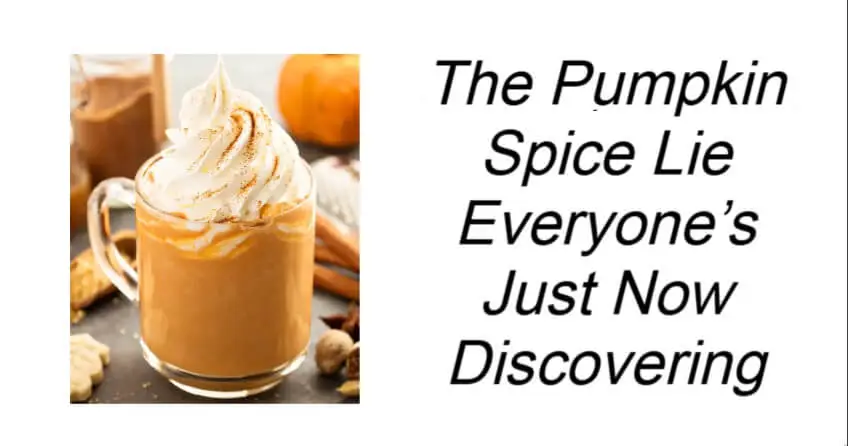
The Pumpkin Spice Lie Everyone’s Just Now Discovering
As autumn leaves begin to fall and that familiar chill creeps into the air, millions around the world reach for one thing: their favorite pumpkin spice treat. From lattes to cookies, candles to cosmetics—even pet food—pumpkin spice has become the unofficial scent and flavor of the season.
But there’s a truth about this beloved blend that’s recently left the internet shook:
Pumpkin spice doesn’t actually contain any pumpkin.
Wait… What?
That’s right. Despite the name, there’s no pumpkin in traditional pumpkin spice.
This revelation has sent shockwaves through Reddit and social media, where people are reacting in disbelief:
- “I’m 42. Not once in my life did anyone tell me this. I am shook.”
- “I literally just found this out today and I’m 35. I feel so stupid.”
- “This is like finding out strawberry milk doesn’t have strawberries… oh wait, does it?”
One especially mortified commenter admitted:
“I’ve been confidently telling people about the ‘pumpkin flavor’ in my PSL for years. I’m humiliated.”
So… What Is Pumpkin Spice?
Pumpkin spice is actually just a blend of warm, aromatic spices traditionally used to flavor pumpkin pie. It typically includes:
- Cinnamon – the sweet, woody base note
- Nutmeg – adds a deep, slightly nutty complexity
- Ginger – brings a warm, zesty kick
- Cloves or allspice – finish with a bold, fragrant punch
Some blends toss in vanilla or tweak the ratios, but the core formula remains the same.
So, the name “pumpkin spice” doesn’t refer to pumpkin itself—it refers to the spice blend used with pumpkin.
As one commenter perfectly put it:
“There’s no taco in taco seasoning either. It’s the spice for the thing, not from it.”
A History That Predates Starbucks
Although Starbucks’ Pumpkin Spice Latte (PSL) launched the modern craze in 2003, the spice blend is much older.
- As far back as medieval Europe, cooks used a similar mixture called “sweet powder” in desserts and meat dishes.
- The first spiced pumpkin pie recipes in America appeared in 1798, in Amelia Simmons’ American Cookery.
- Commercial “pumpkin pie spice” hit shelves in 1933 (by Thompson & Taylor Spice Co.), and McCormick released its iconic version in 1934—nearly 70 years before the PSL arrived.
The Science of Why We Love It
So why are we obsessed with pumpkin spice?
The answer lies deep in your brain.
Cognitive neuroscientist Jason Fischer explains that our sense of smell connects directly to the limbic system, the brain’s emotional center:
“Pumpkin spice aromas emerge in the fall in shops and cafes, coinciding with the arrival of colorful leaves, family gatherings, and back-to-school bustle. The association allows the smell to powerfully evoke the refreshing feelings of fall.”
Food scientist Kantha Shelke adds that pumpkin spice contains over 340 aromatic compounds, designed to light up memory and emotion. These nostalgic cues make us feel cozy, connected, and comforted—even if we’re just sipping a latte on the go.
But What About Real Pumpkin?
Here’s the kicker: real pumpkin has very little flavor. It’s mostly water and fiber. On its own, it’s bland. What we love isn’t the pumpkin—it’s how it’s prepared: roasted, sweetened, and spiced.
In fact, Starbucks didn’t include real pumpkin in its PSL until 2015, when consumer pressure led them to add a token 2% pumpkin puree (from kabocha squash). Spoiler: it doesn’t affect the flavor much. It’s mostly there for marketing.
As Shelke puts it:
“What coffee connoisseur would want a shot of pumpkin puree in their espresso?”
Tropical Spices, Autumn Feelings
Another twist? The spices in pumpkin spice come from warm, tropical climates in Southeast Asia—not exactly crisp sweater weather.
But centuries ago, these spices were rare and expensive, reserved for special occasions and harvest feasts. Over time, they became associated with fall and winter holidays in the West—Thanksgiving, Christmas, family meals. That cultural memory still lingers.
Final Sip: It’s Not About the Pumpkin
So yes, pumpkin spice is a lie—but it’s a delicious one.
You’ve just read,The Pumpkin Spice Lie Everyone’s Just Now Discovering. Why not read Manager Had To Hire A New Employee.