
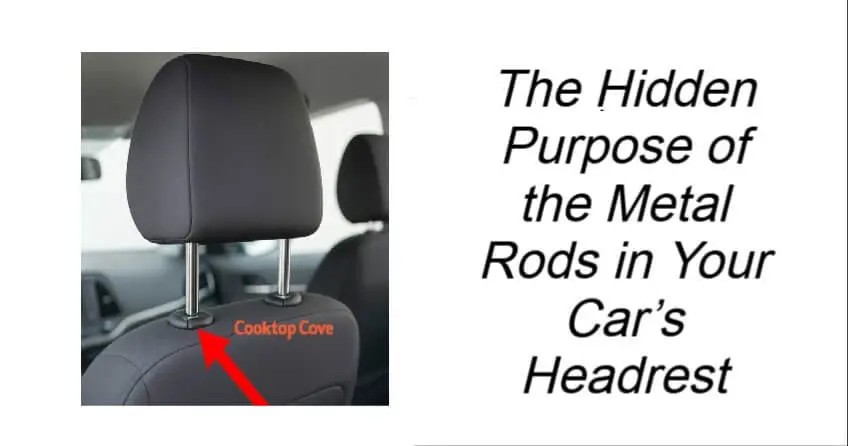
The Hidden Purpose of the Metal Rods in Your Car’s Headrest
When we think about car safety, features like airbags, seat belts, and anti-lock braking systems usually come to mind. But tucked quietly behind your head is one of the most overlooked safety components in your vehicle:
The metal rods inside your headrest.
They may look simple — even unremarkable — but these rods play a powerful role in protecting you during an accident and improving everyday comfort.
Let’s take a closer look at why they matter more than you might think.
More Than Just Support: What Those Metal Rods Actually Do
The metal rods embedded in your car’s headrest serve several critical purposes:
- Allow vertical adjustment
- Maintain structural stability
- Help prevent neck injuries
- Improve ergonomic comfort
- Ensure compliance with safety regulations
At first glance, they seem like basic hardware. In reality, they’re part of a carefully engineered safety system.
The Safety Factor: Preventing Whiplash
The primary purpose of headrest rods is injury prevention — especially in rear-end collisions.
During a crash, your body is pushed forward while your head can snap backward suddenly. This rapid movement can cause whiplash, a neck injury that may lead to:
- Chronic pain
- Limited mobility
- Headaches
- Long-term spinal issues
A properly positioned headrest, supported by sturdy metal rods, limits how far your head can move backward. That reduced motion can significantly lower the risk and severity of neck injuries.
In short: those rods help hold the headrest firmly in place when it matters most.
Why Adjustability Is So Important
Not everyone is the same height — and that’s exactly why headrests are adjustable.
The metal rods allow you to move the headrest up or down so it aligns properly with the back of your head. If the headrest is too low or too high, it won’t provide adequate protection during an impact.
For maximum safety:
- The top of the headrest should be level with the top of your head.
- It should sit close to the back of your head (without pushing it forward uncomfortably).
Those rods make that adjustment possible.
A Brief History: Headrests Weren’t Always Standard
Believe it or not, early vehicles didn’t include headrests at all.
Originally viewed as luxury add-ons, headrests only became widespread once medical research linked rear-end collisions to serious spinal injuries. As awareness of whiplash grew, safety standards evolved.
Automakers responded by:
- Making headrests standard equipment
- Adding adjustability
- Reinforcing them with durable metal rods
- Meeting stricter crash-test regulations
Today, they’re a mandatory safety feature in most countries.
Comfort Matters, Too
Safety is the top priority — but comfort plays a big role in car design.
Because of the metal rod system, headrests can be adjusted for:
- Taller drivers
- Shorter passengers
- Different seating positions
- Long-distance travel
Proper head support reduces muscle strain and fatigue during extended trips. That means a safer and more comfortable driving experience overall.
Common Misconceptions
Many people misunderstand the purpose of these rods.
❌ “They’re just for removing the headrest.”
While they do allow removal for cleaning or replacement, that’s not their main purpose.
❌ “All headrests are the same.”
Headrest designs vary widely between manufacturers. The angle, strength, locking mechanism, and adjustability can differ depending on vehicle model and safety standards.
❌ “They’re mostly aesthetic.”
In reality, they’re engineered for structural integrity and crash performance.
The Multiple Roles of Headrest Rods
Here’s a breakdown of their full functionality:
Structural Stability
They anchor the headrest securely to the seat frame.
Adjustable Ergonomics
They allow height (and sometimes angle) customization.
Collision Protection
They minimize excessive backward head movement in rear impacts.
Security
Built-in locking systems prevent easy removal without tools.
Manufacturing Efficiency
They provide a standardized installation method during vehicle assembly.
Regulatory Compliance
They help manufacturers meet strict automotive safety standards.
A Small Component with a Big Impact
The metal rods in your car’s headrest may not look impressive — but they represent thoughtful engineering designed to protect you.
They:
- Improve crash safety
- Reduce injury risk
- Enhance comfort
- Support long-term durability
It’s a reminder that in automotive design, even the simplest components are often backed by complex safety science.
So next time you adjust your headrest, you’ll know: those metal rods aren’t just holding it up — they’re helping protect your neck, your spine, and your well-being every time you drive.
You’ve just read, The Hidden Purpose of the Metal Rods in Your Car’s Headrest . Why not read Manager Had To Hire A New Employee.