
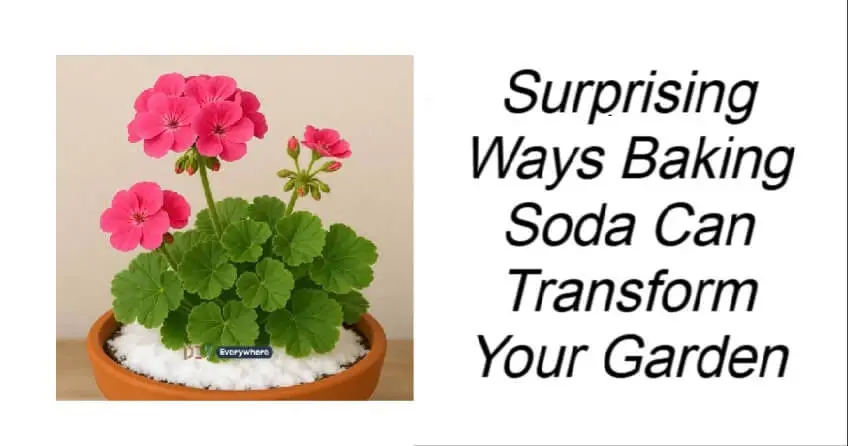
Surprising Ways Baking Soda Can Transform Your Garden
Baking soda is one of those humble household staples that quietly does it all. Most people know it for cleaning and deodorizing, but in the garden, this simple ingredient can be surprisingly useful. When used carefully, baking soda can support plant health, help manage pests and fungus, and even extend the life of fresh flowers.
Below are smart, practical ways gardeners use baking soda—plus tips to make sure it helps rather than harms your plants.
1. Encourages Fuller, Longer-Lasting Blooms
A light touch of baking soda can help flowers thrive. Some gardeners add 1–2 teaspoons to flowerbed soil or vase water to help maintain a more balanced pH. This can support fuller blooms and extend the freshness of cut flowers when used sparingly.
2. A Gentle, Natural Fungicide
Powdery mildew and fungal diseases are common garden frustrations. A simple homemade spray—1 teaspoon baking soda, a few drops of liquid dish soap, and 1 quart of water—can help protect roses, vegetables, and ornamentals. It’s a milder alternative to chemical fungicides and works best when applied early.
3. Supporting Soil Balance
In very acidic soils, small amounts of baking soda may help neutralize excess acidity, improving nutrient availability. When mixed lightly into compost or mulch, it can act as a pH buffer. The key is moderation—too much can disrupt soil health.
4. Natural Pest Deterrent
Baking soda’s fine, gritty texture can discourage slugs, snails, and crawling insects. A light dusting along garden borders or entry points creates a natural barrier. Avoid applying it directly to plant leaves or roots.
5. Helping Seedlings Get Started
When starting seeds indoors, some gardeners add a very small amount (about ½ teaspoon per gallon of water) to support early growth. Combined with proper warmth, light, and moisture, this can help seedlings establish more evenly.
6. Refreshing Cut Flowers Indoors
To keep vase water fresher longer, add a teaspoon of baking soda (sometimes paired with an aspirin tablet). This helps slow bacterial growth and can extend the life of cut flowers by several days.
7. Pet-Safe Weed and Moss Control
Baking soda can help manage moss, algae, and small weeds on patios, walkways, and driveways. Sprinkle lightly and water in. It’s a gentler option than harsh chemical herbicides, especially in areas frequented by pets or children.
8. Easy Tool and Pot Cleaner
Garden tools, pots, and planters can be scrubbed clean using a baking soda paste. It removes dirt, algae, and residue without scratching surfaces—and it naturally deodorizes as well.
9. pH Adjustment for Hydroponic Gardens
In hydroponic systems, baking soda is sometimes used in tiny amounts to raise pH levels. This requires careful measurement and frequent testing to avoid stressing plants.
10. Compost Odor Control
A light sprinkle of baking soda over compost scraps can help reduce odors and balance acidity. Used occasionally, it supports a healthier compost environment without interfering with decomposition.
Pro Tips for Safe Use
- Less is more: Stick to teaspoons, not handfuls.
- Test first: Try baking soda on a small area before widespread use.
- Combine with good gardening habits: Regular pruning, pinching, and proper watering do just as much for healthy blooms as any additive.
Final Thoughts
Baking soda is an affordable, versatile tool that deserves a place in every gardener’s shed. From mildew control and soil support to tool cleaning and flower care, it offers practical benefits when used thoughtfully.
Whether you’re tending a backyard garden or a few pots on the patio, this simple ingredient may be one of the easiest ways to support a healthier, more vibrant growing space—naturally.
You’ve just read,Surprising Ways Baking Soda Can Transform Your Garden. Why not read Manager Had To Hire A New Employee.