
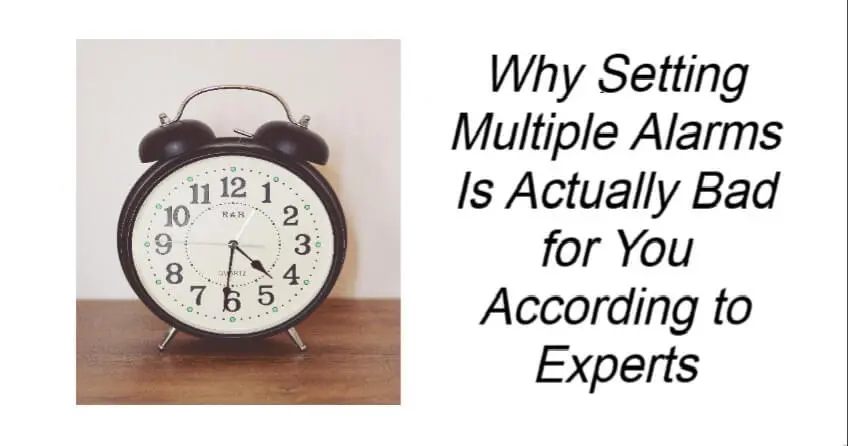
Why Setting Multiple Alarms Is Actually Bad for You According to Experts
If your morning routine involves hitting snooze on a sea of alarms — one every five minutes — it might be time to rethink your strategy. While it feels like a foolproof way to ensure you wake up on time, health experts say it could be doing more harm than good.
A viral video from nurse Jordan Bruss on TikTok has reignited the debate, warning that multiple alarms are not only unnecessary — they’re actively disrupting your sleep and your health.
“When that alarm goes off in the morning, get up!” she advises.
Easier said than done? You’re not alone. One viewer responded, “If I could wake up with just one alarm, do you think I’d use so many?”
Still, there’s solid science behind Bruss’ warning.
Multiple Alarms = Broken Sleep = Big Problems
Hitting snooze over and over again fragments your sleep — particularly during the REM (Rapid Eye Movement) cycle, which is essential for cognitive function, memory consolidation, and emotional regulation.
What happens when REM is interrupted?
Each alarm triggers a stress response in your body — the “fight or flight” reaction — which releases a surge of adrenaline and cortisol (your body’s main stress hormone). Repeating this cycle every morning can lead to:
- Morning grogginess (aka sleep inertia)
- Chronic fatigue
- Increased irritability and mood swings
- Hormonal imbalances
- Elevated risk of long-term health issues, like cardiovascular disease and weight gain
In short, repeatedly jolting yourself awake is traumatizing your body, according to Bruss.
One Person Set 20 Alarms – Don’t Be That Person
Sleep coach Beatrix Schmidt says she once had a client who set over 20 alarms, each five minutes apart.
She explains that this behavior fragments the final stages of sleep — the very hours your body is trying to recharge.
“Having this fragmentation at the end can really affect how energized you feel in the morning,” Schmidt notes.
And contrary to what we often believe, waking up isn’t a light switch. You’re not supposed to be fully alert the moment your eyes open.
So What’s the Solution?
1. Place Your Alarm Across the Room
This forces you to physically get out of bed to turn it off — a game-changer if you’re a chronic snoozer.
2. Create a Morning Ritual You Actually Like
Instead of starting your day with stress, Schmidt suggests building a morning routine you look forward to — like listening to music, stretching, or journaling (but not in bed).
“Why don’t you intentionally do something that actually brings some joy into your morning routine?” she asks.
Bottom Line: Stop Traumatizing Yourself
While it might feel harmless (or even helpful), relying on multiple alarms is a sign your sleep schedule might need some love. Try getting consistent rest, building better habits, and waking up with one alarm — not five.
It may be hard at first, but your brain and body will thank you.
You’ve just read, Setting Multiple Alarms Is Actually Bad for You. Why not read Manager Had To Hire A New Employee.