
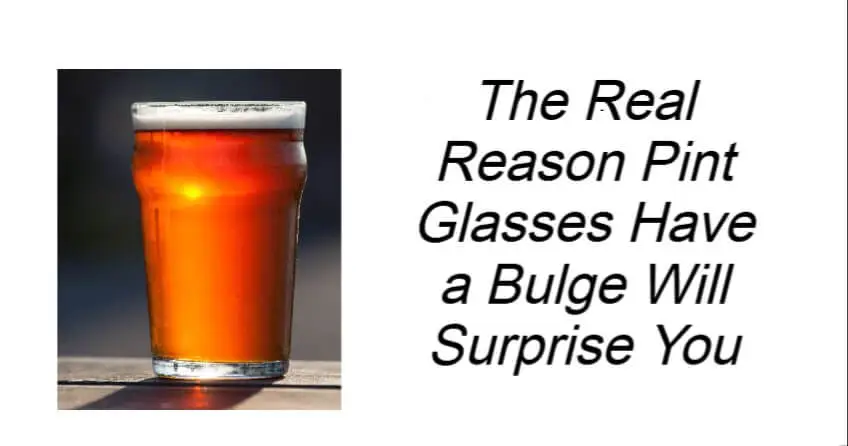
The Real Reason Pint Glasses Have a Bulge Will Surprise You
If you’ve ever ordered a pint in a British pub, chances are it arrived in a nonic pint glass—the classic glass with a subtle bulge just below the rim. At first glance, it may seem like a simple design choice, but that small curve plays a surprisingly important role in durability, comfort, and the overall beer-drinking experience.
From busy pubs to modern craft beer bars, the nonic glass has become one of the most recognizable and widely used pint glasses in the world.
A Brief History of the Nonic Glass
The word “nonic” comes from the phrase “no nick,” referring to the glass’s resistance to chipping. The design was patented in 1913 by Hugo Pick, a manufacturer from Bridgeport, Connecticut.
Interestingly, the glass did not become immediately popular in the United States. Instead, it gained widespread adoption in the United Kingdom after World War II, when pubs needed durable and practical glassware that could withstand heavy use.
Since then, the nonic pint glass has become a staple in British pubs and has spread to bars and breweries across the globe.
What Makes the Nonic Glass Unique?
1. Built for Durability
The most noticeable feature of the nonic glass is the bulge just below the rim. This seemingly minor detail dramatically improves the glass’s durability.
When glasses are stacked, the bulges prevent the rims from touching each other. This reduces the chances of chipping—a common problem with straight-sided glasses. If a glass gets knocked over, the bulge also absorbs some of the impact before the rim hits the surface.
Studies and industry testing have shown that this design can increase a glass’s crush strength by up to 40%, making it far more resilient than traditional straight pint glasses.
2. A Better Grip
Anyone who has held a cold pint knows how slippery a glass can become when condensation forms. The nonic glass solves this problem naturally.
The bulge provides a comfortable grip point, allowing drinkers and bartenders to hold the glass more securely. In crowded pubs where drinks are constantly being carried and served, this small ergonomic feature makes a big difference.
3. Easy and Efficient Stacking
In busy bars, storage and efficiency matter. The nonic glass design allows glasses to stack neatly without creating a vacuum seal between them.
Because the bulges create small gaps between glasses, they don’t get stuck together—a common issue with straight pint glasses. This makes them easier to separate, clean, and store.
4. Enhancing Aroma and Flavor
While the nonic glass wasn’t specifically designed for craft beer tasting, it still improves the drinking experience.
The wide opening allows aromas to escape more freely, which enhances the sensory experience of drinking beer. The slight curve also helps maintain a stable beer head, preserving carbonation and contributing to a richer flavor profile.
A Versatile Choice for Many Beer Styles
One of the biggest strengths of the nonic glass is its versatility. It works well for many common beer styles, including:
- Ales
- Lagers
- Stouts
Because it’s not tied to a specific beer style, pubs and bars often prefer it as an all-purpose serving glass.
How It Compares to Other Pint Glasses
The Shaker Pint Glass
The Shaker pint glass, widely used in the United States, is a simple straight-sided glass originally designed for shaking cocktails.
While it’s cheap and easy to manufacture, it lacks the durability and grip of the nonic glass. Without the protective bulge, shaker pints are more prone to chipping and breaking in busy bar environments.
The Tulip Pint Glass
The Tulip pint glass, commonly used in Ireland, is famous for serving Guinness.
Its curved shape helps concentrate aromas and maintain a creamy head, which makes it ideal for stouts. However, tulip glasses are generally less durable and harder to stack compared to nonic glasses.
Why the Nonic Glass Is Still So Popular
Even with the rise of specialized craft beer glassware, the nonic glass continues to dominate pubs around the world.
Here’s why it has stood the test of time:
Cost-effective – It’s affordable to produce and lasts longer due to its chip-resistant design.
Highly versatile – It works well for a wide variety of beer styles.
Classic pub aesthetic – The iconic bulge has become part of traditional pub culture, especially in the UK.
For bar owners, it’s a practical solution. For drinkers, it’s a familiar and comfortable way to enjoy a pint.
Are There Any Downsides?
Despite its many advantages, the nonic glass does have a few limitations.
Not specialized – Unlike glasses designed for specific beer styles (such as wheat beer or IPA glasses), the nonic glass is more of a general-purpose option.
Not ideal for strong beers – High-ABV beers like Belgian ales or imperial stouts are usually served in smaller glasses that concentrate aromas and encourage slower sipping.
The Future of the Nonic Pint Glass
As the craft beer movement grows, many breweries are experimenting with glassware designed specifically for different beer styles. However, the nonic glass remains a practical and reliable option.
Its durability, affordability, and versatility ensure that it will continue to be used in pubs and bars for years to come.
Final Thoughts
The nonic pint glass is a perfect example of thoughtful design. A small adjustment—the simple bulge near the rim—solved multiple practical problems at once.
By improving durability, grip, and stackability while still enhancing the drinking experience, the nonic glass has earned its place as one of the most iconic pieces of pub equipment in the world.
Next time you raise a pint, take a moment to notice that small curve. It’s a tiny design feature with a big impact on beer culture.
You’ve just read, Reason Pint Glasses Have a Bulge . Why not read A Single Act of Kindness Changed My Life Forever