

Mini Stroke in People Over 40 …A Wake-Up Call You Shouldn’t Ignore
Turning 40 is often a time of transformation. You may be juggling career demands, family responsibilities, and changes in energy or metabolism. But it’s also a critical phase to start paying closer attention to your heart and brain health—especially when it comes to recognizing and preventing a mini stroke, or transient ischemic attack (TIA).
What Is a Mini Stroke?
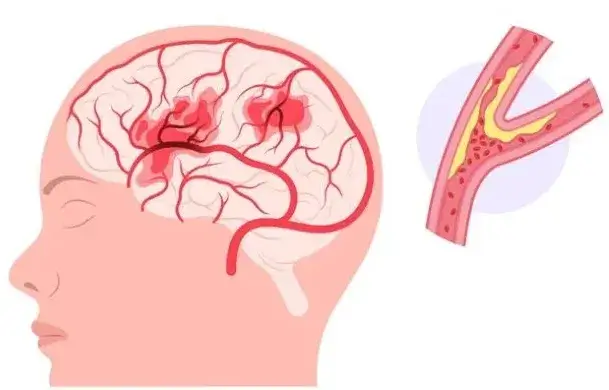
A transient ischemic attack (TIA) is a temporary blockage of blood flow to the brain, often caused by a small clot or narrowed artery. Unlike a full stroke, a TIA doesn’t cause permanent damage—but it’s a major warning sign.
⚠️ 1 in 3 people who experience a TIA will go on to have a full stroke—often within days or weeks.
Why the Risk Increases After 40
As you enter your 40s, both natural aging and lifestyle factors raise your risk for vascular issues. You may feel healthy, but risk factors can be silently at work.
Common risk factors for TIA and stroke after 40:
- High blood pressure (often undiagnosed)
- High cholesterol
- Diabetes or prediabetes
- Smoking or vaping
- Sedentary lifestyle
- Excess weight or obesity
- Poor sleep or chronic stress
- Atrial fibrillation (irregular heartbeat)
- Family history of heart disease or stroke
Signs of a Mini Stroke (TIA)
Symptoms mimic those of a stroke but typically resolve within minutes to hours:
- Sudden numbness or weakness, especially on one side
- Slurred speech or difficulty understanding others
- Blurred or double vision
- Dizziness or loss of balance
- Sudden severe headache (less common)
🛑 Don’t wait it out. Even if symptoms disappear quickly, call emergency services immediately.
What Happens After a TIA?
If you’re over 40 and have symptoms—even briefly—you’ll likely undergo:
- MRI or CT scan to check for stroke activity
- Blood tests (cholesterol, glucose, clotting)
- Heart monitoring (ECG or Holter) to detect arrhythmias
- Carotid ultrasound to assess artery narrowing
These tests can uncover silent risk factors that need urgent attention.
How to Prevent a Stroke After a TIA
Your 40s are the perfect time to take preventive action—whether or not you’ve had a TIA.
Medical Management
- Blood thinners (e.g., aspirin)
- Statins to control cholesterol
- Blood pressure meds
- Diabetes treatment if needed
Lifestyle Changes
- Eat a heart-healthy diet (Mediterranean or DASH)
- Get 30 minutes of moderate exercise most days
- Quit smoking, limit alcohol
- Prioritize stress management and quality sleep
Ongoing Monitoring
- Regular check-ups for blood pressure, cholesterol, and glucose
- Monitor for atrial fibrillation, which becomes more common with age
Real-Life Example
A 45-year-old woman briefly loses the ability to speak and feels weakness in her arm. It lasts 10 minutes—then vanishes. She nearly ignores it, but decides to visit the ER.
➡️ Doctors diagnose her with a TIA, uncover untreated high blood pressure and cholesterol, and begin a care plan. That quick action likely prevented a full stroke.
Final Takeaway: Don’t Dismiss the Signs
A mini stroke might feel like a fluke—but it’s your body sounding the alarm. The earlier you act, the better your chances of preventing lasting damage.
Turning 40 isn’t the beginning of decline—it’s the perfect time to tune in, take charge, and invest in your long-term health.
You’ve just read, Mini Stroke in People Over 40. Why not read Manager Had To Hire A New Employee.