
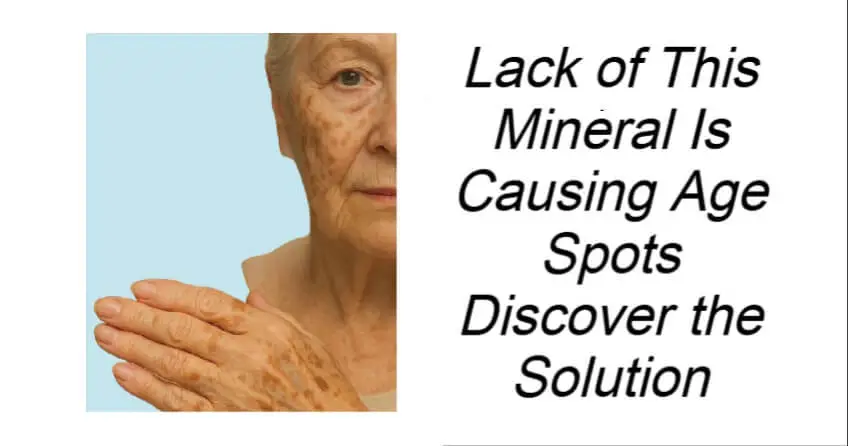
Lack of This Mineral Is Causing Age Spots Discover the Solution
Age spots—also known as sun spots or lentigines—are one of the most common cosmetic concerns as we grow older. Most people blame sun exposure (and rightly so), but did you know that a zinc deficiency might also be playing a role?
Let’s explore why zinc is essential for skin health, how to tell if you might be deficient, and how to naturally boost your levels.
Why Is Zinc Crucial for Skin?
Zinc is a vital trace mineral your body needs for numerous functions, including maintaining healthy skin. Here’s how zinc works its magic:
- Antioxidant protection: Zinc helps fight free radicals that contribute to skin aging.
- Tissue repair: It promotes healing and collagen production, both of which are essential for maintaining skin’s elasticity and firmness.
- UV defense: A lack of zinc makes your skin more susceptible to sun damage, which accelerates the appearance of dark spots and wrinkles.
In short, without enough zinc, your skin becomes more vulnerable to environmental stress—and age spots may form more easily.
Signs of Zinc Deficiency
Zinc deficiency often goes unnoticed, but your skin might be sending you signals. Common symptoms include:
- The sudden appearance of age spots or skin pigmentation changes
- Dry, flaky skin
- Increased fine lines or premature wrinkles
- Slow wound healing or frequent skin infections
If you’re experiencing these signs, it might be time to evaluate your zinc intake.
How to Increase Zinc Naturally
Getting enough zinc through your daily diet is one of the best ways to support your skin (and your overall health). Here’s a quick guide to zinc-rich foods:
Top Zinc-Rich Foods:
- Seafood: Oysters, crab, lobster
- Meats: Beef, pork, chicken
- Nuts & Seeds: Pumpkin seeds, sesame seeds, cashews
- Legumes: Chickpeas, lentils, beans
- Whole Grains: Oatmeal, brown rice, quinoa
Including a variety of these foods in your meals can help restore and maintain healthy zinc levels.
What About Zinc Supplements?
If it’s tough to get enough zinc from food alone—due to dietary restrictions, absorption issues, or medical conditions—a zinc supplement might be helpful.
Important: Always talk to your doctor or a nutritionist before starting supplements to ensure you’re taking the right dose and type for your needs.
Additional Tips for Preventing Age Spots
While zinc plays a key role, it’s just one part of a well-rounded skincare approach. Try combining good nutrition with the following habits:
- Use sunscreen daily: Zinc can help, but UV protection is still essential.
- Stay hydrated: Moisturized skin is more resilient and regenerates faster.
- Avoid excessive smoking and alcohol: These habits can accelerate skin aging.
- Get enough sleep and manage stress: Recovery and balance matter for skin repair.
The Bottom Line
Age spots may not just be the result of sun exposure—they could be a sign that your body needs more zinc. Ensuring you get enough of this essential mineral can help reduce pigmentation, boost skin healing, and keep your complexion looking youthful.
Care for your skin from the inside out, starting with what’s on your plate. A little zinc can go a long way toward a healthier, brighter glow.
You’ve just read, Lack of This Mineral Is Causing Age Spots. Why not read Manager Had To Hire A New Employee.