
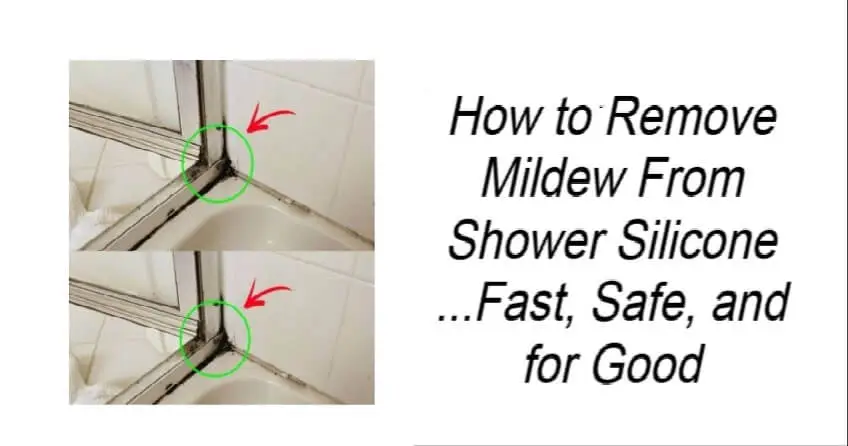
How to Remove Mildew From Shower Silicone …Fast, Safe, and for Good
Mildew creeping along the silicone seals in your shower is more than just an eyesore—it’s a stubborn problem that thrives in warm, damp bathrooms. Those dark stains love lingering moisture, poor airflow, and forgotten corners. The good news? With the right approach, you can remove mildew quickly, restore your shower’s clean look, and keep it from coming back.
This step-by-step guide walks you through everything you need to know to tackle silicone mildew safely and effectively.
Text continues after ad
Why Mildew Forms on Silicone Seals
Silicone caulk is widely used in showers and tubs because it’s water-resistant and flexible. Over time, though, it can still harbor mildew—especially in areas with limited ventilation or inconsistent cleaning.
Mildew often starts as tiny dark specks along seams and corners. Left untreated, it spreads, creates a musty odor, dulls your bathroom’s appearance, and may even weaken the sealant, allowing moisture to seep behind tiles. That’s why early action matters.
Safety First: Prep Before You Clean
Before getting started, take a few simple precautions:
- Ventilate the space: Open windows or turn on the exhaust fan to reduce exposure to fumes.
- Wear protection: Rubber gloves are a must, and goggles or a mask can help if you’re sensitive to cleaning agents.
- Protect surfaces: Use old towels or painter’s tape to shield nearby tiles and fixtures from splashes.
Step 1: Loosen Surface Mildew
For light to moderate mildew, a DIY cleaner works well:
- Mix one part bleach or hydrogen peroxide with three parts water, or use an equal mix of white vinegar and water.
- Spray or sponge the solution generously along silicone seams.
- Let it sit for 10–15 minutes so it can penetrate the mildew.
Step 2: Scrub Away the Stains
Once the solution has soaked in:
- Use an old toothbrush or small-bristle brush.
- Scrub gently but firmly along grooves and edges.
- Rinse thoroughly with warm water to remove residue.
If stains remain, repeat Steps 1 and 2.
Step 3: Deep Clean Stubborn Mildew
For persistent discoloration:
- Reapply the cleaner at full strength or use a stronger bleach-to-water ratio (2:1).
- Let it sit for 20–30 minutes, lightly misting to keep the area damp.
- Scrub again, using an angled brush or plastic scraper for tight corners.
- Rinse well and dry completely.
Step 4: Inspect the Seal—Repair or Replace
After cleaning, examine the silicone closely:
- Cracks, gaps, peeling, or deep staining may mean the seal is compromised.
- Remove old silicone with a utility knife or caulk-removal tool.
- Clean and dry the area thoroughly.
- Apply a mildew-resistant bathroom silicone sealant, smoothing it with a caulk tool or damp finger.
- Allow at least 24 hours of curing before using the shower.
Step 5: Keep Mildew From Coming Back
Prevention is just as important as cleaning:
- Improve airflow: Run the exhaust fan during and after showers for 20–30 minutes.
- Wipe down after use: Use a squeegee or towel to remove excess moisture.
- Clean regularly: Once a week, spray diluted vinegar or a mild bathroom cleaner on seams and rinse after 10 minutes.
- Use mold deterrent sprays: Monthly applications help discourage regrowth.
- Upgrade sealants: Choose silicone labeled specifically as mildew- or mold-resistant.
Alternative Cleaning Options
If you prefer other methods, consider:
- Oxygen-based cleaners (with sodium percarbonate): Mix into a paste, apply, wait, then scrub.
- Commercial mildew removers: Always choose products safe for silicone and follow label directions.
- Steam cleaners: High heat kills mildew effectively—just be sure to dry the area thoroughly afterward.
For mildew that keeps returning despite repeated cleaning, full silicone removal and replacement is often the most reliable solution. Mildew can embed itself deep within silicone pores, and starting fresh eliminates the problem at its source.
Final Thoughts
Dealing with mildew on shower silicone doesn’t have to be overwhelming. With a smart cleaning routine, proper ventilation, and quality sealants, you can restore your shower’s appearance and keep it fresh for the long haul.
Whether you’re removing existing mildew or preventing future growth, these steps put you back in control of your bathroom—clean, healthy, and worry-free.
You’ve just read, How to Remove Mildew From Shower Silicone. Why not read Manager Had To Hire A New Employee.