
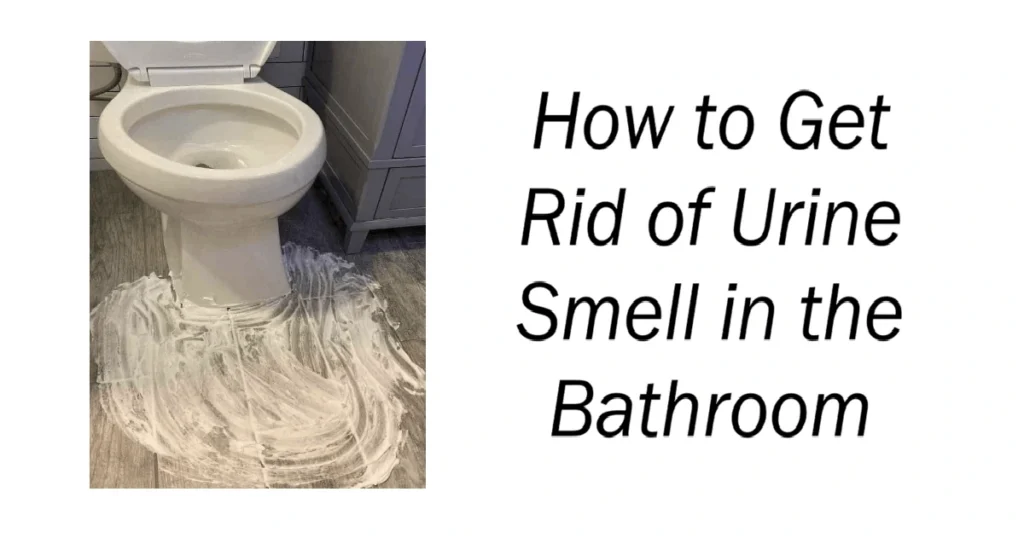
How to Get Rid of Urine Smell in the Bathroom
A bathroom can look perfectly clean and still smell like urine.
You might scrub the toilet, mop the floor, wipe down the sink, and empty the bin, only to notice that unpleasant odor returning a few hours later.
So, why does your bathroom still smell like urine when everything looks clean?
The answer is often hidden residue.
Small amounts of urine can find their way onto areas that are easy to overlook, including around the base of the toilet, grout lines, the sides of the toilet bowl, underneath the toilet seat, and around bathroom fixtures.
Fortunately, you don’t necessarily need stronger air fresheners to solve the problem.
The key is to find the source of the urine smell, clean the areas where residue has accumulated, and prevent the odor from returning.
Why Does My Bathroom Smell Like Urine?
Urine odor can linger when small amounts of urine remain on a surface and aren’t completely removed.
The most common problem areas include:
- Around the base of the toilet
- Behind and beside the toilet
- Underneath the toilet seat
- Around toilet seat hinges
- Along the floor near the toilet
- Porous grout
- Bathroom mats and rugs
- Toilet brushes and cleaning tools
- Areas affected by plumbing leaks
Simply cleaning the inside of the toilet bowl may not be enough.
If the smell keeps coming back, it’s worth looking beyond the bowl.
1. Find the Source of the Urine Smell
Before reaching for another cleaning product, inspect the bathroom carefully.
Start around the toilet.
Check the area where the toilet meets the floor, then inspect the sides and back of the toilet. Look at the floor immediately around the toilet and examine the grout between nearby tiles.
Don’t forget the less obvious areas.
Check the toilet seat hinges, underside of the seat, lid, and areas underneath the rim.
Small splashes can accumulate over time and produce a noticeable odor even when the toilet itself appears clean.
If the smell is strongest around the toilet, that’s usually the best place to begin.
2. Clean the Toilet From Top to Bottom
Many people concentrate almost entirely on the inside of the toilet bowl.
But if you’re trying to get rid of urine smell in the bathroom, the outside of the toilet deserves just as much attention.
Put on cleaning gloves and clean:
- The toilet seat
- The underside of the seat
- The toilet lid
- The seat hinges
- The exterior of the toilet bowl
- The sides and back of the toilet
- The area around the toilet base
Use a bathroom cleaner that’s suitable for the surface and follow the manufacturer’s instructions.
Pay particular attention to seams, edges, hinges, and other areas where liquid can collect.
After cleaning, rinse or wipe the surface as directed and allow everything to dry thoroughly.
3. Clean the Floor Around the Toilet
If urine has repeatedly splashed onto the floor, ordinary mopping may not completely eliminate the smell.
Clean the entire area around the toilet, including the sides and, where accessible, the space behind it.
Hard, nonporous surfaces such as glazed tile can generally be cleaned thoroughly.
Grout is more difficult because it can be porous and may hold onto moisture and residue.
For persistent organic odors, an enzyme-based cleaner designed for urine or organic stains may be useful.
These cleaners are designed to break down organic residue rather than simply covering the odor with fragrance.
Always check that the product is suitable for your particular flooring and follow the label directions.
4. Don’t Overlook the Grout
Grout is one of the most commonly overlooked areas when cleaning a bathroom.
Because grout can absorb moisture and residue, unpleasant smells may linger even after the surrounding tiles have been cleaned.
If the grout is visibly dirty, use an appropriate tile-and-grout cleaner and a suitable brush.
Avoid excessively abrasive tools that could damage the surface.
If the urine smell continues after thorough cleaning, the problem may be deeper than surface dirt.
Old, damaged, or highly porous grout may require more intensive cleaning, sealing, repair, or replacement.
5. Clean the Toilet Brush and Cleaning Tools
Sometimes the source of a bathroom odor isn’t the toilet itself.
Toilet brushes, mop heads, cleaning cloths, and reusable sponges can retain moisture and organic residue.
After using a toilet brush, rinse it thoroughly and allow it to dry before returning it to its holder.
Don’t forget the holder itself.
Liquid can collect in the bottom of a toilet brush holder and become an unexpected source of unpleasant odors.
Wash the holder regularly and replace old or heavily soiled cleaning tools when necessary.
Mop heads and reusable cleaning cloths should also be washed or replaced regularly.
6. Wash Bathroom Mats and Rugs
Bathroom mats can absorb moisture, spills, and odors.
If a mat has been exposed to urine repeatedly, the smell may remain even after ordinary cleaning.
Check the manufacturer’s care instructions and wash the mat regularly.
If the odor persists after washing, the material may have absorbed too much residue to be effectively cleaned.
In that situation, replacing an old mat may be more practical.
Make sure bathroom mats dry completely after washing.
A damp mat can develop its own unpleasant odor.
7. Improve Bathroom Ventilation
Good ventilation can make a noticeable difference to bathroom odors.
Use an exhaust fan while showering and, where practical, leave it running for a while afterward.
Opening a window can also help improve airflow.
Reducing excess moisture is important because damp conditions can make odors more noticeable and encourage unwanted microbial growth.
A bathroom that dries quickly is generally easier to keep fresh.
8. Never Mix Cleaning Products
When dealing with a stubborn bathroom smell, you might be tempted to combine several cleaning products.
Don’t.
Never mix bleach with ammonia, acids, vinegar, or other household cleaning products.
Some combinations can produce dangerous gases.
If you’re switching from one cleaning product to another, follow the label instructions carefully and make sure surfaces are appropriately rinsed before using a different product.
Keep cleaning products in their original containers and store them safely away from children and pets.
9. Check for a Hidden Toilet Leak
If you’ve thoroughly cleaned the bathroom but the urine smell keeps returning, cleaning may not be the real solution.
A leak around the base of the toilet can allow moisture to accumulate underneath or around the fixture.
Other possible sources include:
- Damaged flooring
- Deteriorating grout
- Moisture underneath the toilet
- Leaking plumbing connections
- Water trapped around bathroom fixtures
If you notice unexplained moisture around the toilet or suspect a plumbing problem, have the toilet and surrounding plumbing inspected.
Repeatedly spraying air freshener won’t solve an underlying leak.
10. Create a Simple Bathroom Cleaning Routine
The easiest way to prevent urine smells from returning is to clean problem areas regularly rather than waiting until an odor becomes noticeable.
A simple routine can include:
- Wiping the toilet seat and exterior regularly
- Cleaning around the toilet base
- Washing bathroom mats frequently
- Cleaning and drying toilet brushes
- Washing mop heads and reusable cloths
- Cleaning the floor around the toilet
- Checking grout for stains and residue
- Ventilating the bathroom regularly
- Cleaning spills and splashes as soon as possible
- Checking for plumbing leaks if an odor persists
Regular maintenance can prevent small amounts of residue from becoming a much bigger odor problem.
What If Your Bathroom Still Smells Like Urine After Cleaning?
If you’ve cleaned the toilet, floor, grout, bathroom mats, and cleaning tools but the smell keeps returning, don’t automatically assume you need to scrub harder.
The odor could be coming from somewhere you haven’t identified.
A leaking toilet, damaged grout, porous flooring, or moisture trapped underneath a fixture may be responsible.
In some cases, the smell can also come from an old bathroom mat, mop head, toilet brush, or other absorbent material.
The best approach is to work through the bathroom systematically and identify where the odor is strongest.
If the smell appears to be coming from underneath the toilet or is accompanied by unexplained moisture, a plumbing inspection may be necessary.
How to Keep Your Bathroom Smelling Fresh
Once you’ve eliminated the source of the urine odor, prevention becomes much easier.
Focus on a few simple habits:
Clean regularly.
Don’t wait until visible dirt or a strong odor appears.
Keep the toilet area dry.
Moisture can make odors more noticeable and contribute to other bathroom problems.
Clean around the toilet, not just inside it.
The exterior, floor, hinges, and surrounding grout can all collect residue.
Wash fabrics regularly.
Bathroom mats and rugs can hold onto odors.
Clean your cleaning tools.
A dirty toilet brush or damp mop can become an odor source itself.
Ventilate the room.
Good airflow helps reduce moisture and lingering smells.
Deal with leaks promptly.
A persistent smell accompanied by unexplained moisture may indicate a plumbing problem.
Frequently Asked Questions
How do I get rid of urine smell in my bathroom?
Start by identifying where the odor is strongest. Thoroughly clean the toilet seat, hinges, exterior, toilet base, surrounding floor, and grout. For persistent organic odors, an enzyme-based cleaner labeled for urine can be useful if it’s compatible with the surface.
Why does my bathroom smell like urine even after cleaning?
The smell may be coming from areas that are easy to overlook, such as underneath the toilet seat, around the toilet base, grout, bathroom mats, toilet brush holders, or cleaning tools. A plumbing leak can also cause persistent odors.
Does mopping get rid of urine smell?
Mopping can remove surface residue, but it may not completely eliminate urine odors if residue has reached porous grout, flooring, or other absorbent materials. Thorough cleaning of the surrounding area may be necessary.
Can grout make a bathroom smell like urine?
Yes. Porous or damaged grout can retain moisture and organic residue, allowing odors to linger even after the surrounding tiles have been cleaned.
Should I use bleach to remove urine smell?
Bleach isn’t always the best solution for urine odors, particularly if the odor is coming from porous materials. More importantly, never mix bleach with ammonia, vinegar, acids, or other cleaning products, as dangerous gases can result.
When should I call a plumber?
Consider having the toilet or plumbing inspected if the urine-like smell repeatedly returns despite thorough cleaning, particularly if you notice unexplained moisture around the toilet, damp flooring, or a suspected leak.
The Bottom Line
A bathroom can look spotless and still smell like urine.
The problem is often hidden residue around the toilet, on the floor, in grout, underneath the toilet seat, or inside bathroom fabrics and cleaning tools.
Instead of simply adding another air freshener, find the source of the odor and clean the areas where residue may have accumulated.
Start with the toilet and surrounding floor, pay close attention to grout and hidden areas, wash bathroom mats and cleaning tools, and consider an appropriate enzyme-based cleaner for persistent organic odors.
If the smell continues to return despite thorough cleaning, don’t assume you simply need to scrub more.
A hidden leak, damaged grout, porous flooring, or moisture underneath the toilet could be responsible.
The key to a fresh-smelling bathroom isn’t masking the urine odor — it’s finding and removing the source.
You’ve just read How to Get Rid of Urine Smell in the Bathroom . Why not read She Baked One Apple Pie Every Sunday