
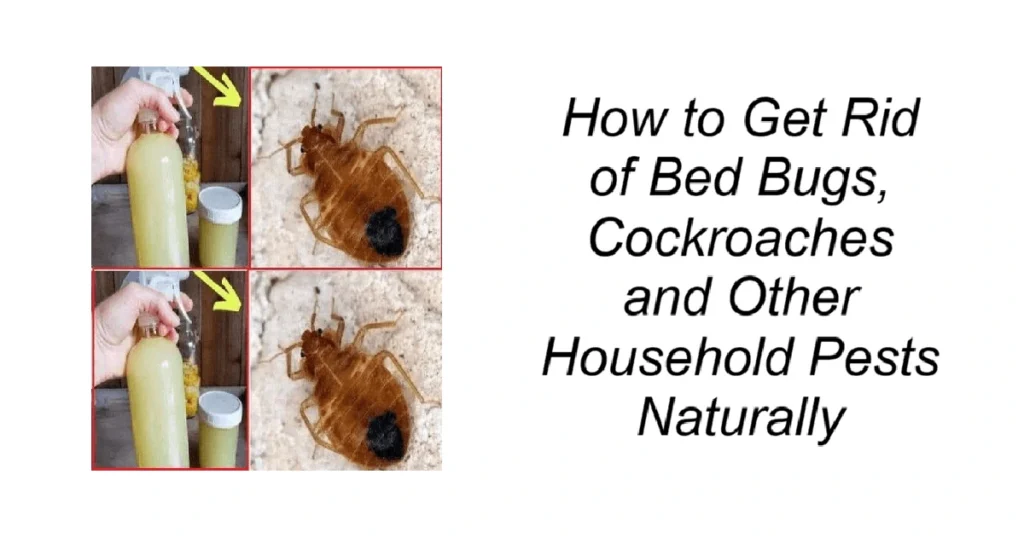
How to Get Rid of Bed Bugs, Cockroaches and Other Household Pests Naturally
Have you ever spotted a cockroach in the kitchen, discovered suspicious marks on your bedding, or noticed tiny insects crawling around your home? Unwanted pests can quickly turn a comfortable living space into a source of stress.
Although chemical pesticides are available, many homeowners prefer to explore alternative methods that reduce unnecessary chemical use and help protect children, pets, and the environment.
The good news is that there are practical ways to manage household pests using careful cleaning, simple preventive measures, and selected low-toxicity treatments. However, not every natural remedy is effective, and some popular online tricks can do more harm than good.
In this guide, we’ll look at ways to tackle bed bugs, cockroaches, and other common household insects, along with practical steps to help prevent them from returning.
1. Bed Bugs: Small Pests That Can Cause Big Problems
Bed bugs are small, reddish-brown insects that feed on human blood. They often hide in mattress seams, bed frames, upholstered furniture, and cracks near sleeping areas. Although their bites can cause itching and discomfort, bed bugs are not known to transmit diseases to humans.
How to Recognise a Bed Bug Infestation
Common warning signs include:
- Itchy red marks on the skin, although bites alone cannot confirm an infestation.
- Small bloodstains on sheets or pillowcases.
- Dark spots on mattresses, bedding, or bed frames.
- Shed insect skins, eggs, or live bugs hiding in seams and crevices.
If you suspect bed bugs, inspect the bed and surrounding furniture carefully. Early identification can make treatment easier.
Practical Ways to Control Bed Bugs
Steam cleaning
A suitable steam cleaner can kill bed bugs and their eggs when the steam reaches them directly at a sufficient temperature. Move slowly over appropriate surfaces, following the equipment manufacturer’s instructions.
Avoid excessive moisture, which can damage mattresses and furniture. Steam treatment alone may not reach every hiding place, so it is rarely enough to eliminate an established infestation.
Wash and heat-dry bedding
Wash washable bedding, clothing, and other affected fabrics at the highest temperature their care labels permit. Where suitable, use a hot dryer cycle that reaches a temperature capable of killing bed bugs and their eggs.
Keep treated items sealed in clean bags until the surrounding infestation has been addressed.
Vacuum thoroughly
Vacuum mattress seams, bed frames, floor edges, and nearby furniture crevices. Empty the vacuum carefully, seal the contents in a bag, and dispose of them outdoors. If your vacuum uses a disposable bag, replace it promptly.
Use protective encasements and interceptors
Purpose-designed bed bug mattress and box-spring encasements can help trap existing bugs and make inspections easier. Bed bug interceptors placed beneath bed legs can also help monitor activity and reduce access to the bed.
Be cautious with diatomaceous earth
Certain appropriately labelled insecticidal dusts can help control bed bugs, but ordinary food-grade diatomaceous earth should not be treated as a proven, risk-free solution. Fine dust can irritate the lungs and should not be scattered around sleeping areas. If using any pest-control dust, follow the product label and local safety guidance.
Avoid relying on essential oils
Tea tree, lavender, and other essential oils are often promoted as natural bed bug repellents. However, there is insufficient evidence that homemade essential-oil sprays can reliably eliminate an infestation. Some oils can also irritate skin or harm pets.
For persistent bed bugs, professional pest control is often the most effective option.
2. Cockroaches: How to Keep These Persistent Pests Away
Cockroaches are attracted to food, moisture, warmth, and sheltered hiding places. Kitchens, bathrooms, cupboards, and spaces behind appliances can provide ideal conditions for them to thrive.
The most effective approach combines good housekeeping, preventing access, and targeted pest control.
Effective Ways to Manage Cockroaches
Keep food sources under control
Clean up crumbs and spills promptly, wipe kitchen surfaces regularly, and avoid leaving dirty dishes overnight. Store food in sealed containers and empty rubbish bins frequently.
Remove sources of water
Repair dripping taps and leaking pipes. Dry sinks and other damp areas where practical, and investigate persistent moisture around appliances.
Seal cracks and gaps
Use an appropriate sealant to close gaps around pipes, skirting boards, doors, and windows. This can reduce hiding places and help prevent cockroaches from entering from neighbouring areas.
Try cockroach bait stations
Commercial cockroach bait stations or gels can be effective when used according to their labels. Place them near suspected hiding places and keep them inaccessible to children and pets.
Baits are generally more dependable than homemade mixtures because their effectiveness and intended use are better established.
Use soapy water with caution
Directly spraying a cockroach with soapy water may kill it under some circumstances, but this is not a reliable way to control an infestation. Sprays can also damage certain finishes and should never be used near electrical equipment.
What about baking soda and sugar?
A mixture of baking soda and sugar is a popular online remedy, but evidence that it reliably controls cockroach infestations is limited. For better results, focus on removing food and water sources, sealing entry points, and using suitable baits.
Crushed bay leaves are also frequently recommended as a natural repellent, but there is little reliable evidence that they keep cockroaches away.
If cockroaches continue to appear despite these measures, seek professional advice, particularly in flats or shared buildings where pests may be moving between properties.
3. Natural Ways to Discourage Other Household Insects
Ants, flies, mosquitoes, and other insects can become a nuisance, especially during warmer months. Although some natural substances may repel certain insects temporarily, their effectiveness varies considerably.
Here are some practical alternatives to relying on unproven homemade sprays.
Clean up food residue
Wipe kitchen surfaces, sweep floors, and clean spills promptly. Even small amounts of food can attract ants, flies, and other insects.
Use citrus peels selectively
Citrus scents may deter some insects in particular circumstances, but placing lemon or orange peels around windows and doorways is not a dependable pest-control method. Replace them frequently if you use them for fragrance, as decomposing peels can attract fruit flies.
Be careful with vinegar sprays
A diluted vinegar solution can help with some cleaning tasks, but it is not a universal insect repellent or insecticide. Use it for cleaning suitable surfaces rather than expecting it to eliminate an infestation.
Use herbs and plants realistically
Basil, mint, and rosemary are attractive additions to a garden or windowsill. However, simply growing these plants is unlikely to prevent insects from entering your home. Mint can also spread quickly when planted directly in the ground, so containers are often preferable.
Consider physical barriers
Fine window screens, door seals, and appropriately fitted mesh can help keep flying insects out. Removing standing water around the property can also reduce mosquito breeding opportunities.
For a specific pest, choose a control method designed for that insect rather than relying on a remedy advertised as effective against every type of bug.
4. Preventing Future Pest Infestations
Prevention is often easier than dealing with an established infestation. A few consistent habits can make your home less attractive to unwanted visitors.
Keep Your Home Clean
Vacuum regularly, clean food preparation areas, and pay attention to spaces beneath furniture and appliances. Good hygiene will not prevent every pest, but it can remove food sources and make early signs easier to spot.
Store Food Properly
Keep dry goods in sealed containers and avoid leaving uncovered food on counters. Empty bins regularly and clean containers that have held food waste.
Fix Leaks and Reduce Moisture
Cockroaches and many other pests are attracted to water. Repair plumbing leaks, address damp patches, and improve ventilation in persistently humid areas.
Reduce Clutter
Stacks of cardboard, old newspapers, and unused belongings can provide shelter for insects. Keep storage areas organised and avoid storing cardboard directly against damp walls or floors.
Inspect Second-Hand Furniture
Bed bugs can travel in used mattresses, sofas, and other furniture. Inspect second-hand items carefully before bringing them indoors, paying particular attention to seams, joints, and hidden crevices.
Act Quickly When You Spot a Problem
A single insect does not always mean you have an infestation. However, repeated sightings, droppings, shed skins, or other signs warrant closer inspection. Identifying the pest correctly helps you choose a suitable treatment before the problem becomes more difficult to manage.
5. Are Natural Pest-Control Methods Better?
Natural and low-toxicity approaches can be useful, but their benefits depend on the method being used.
Potential advantages include:
- Reduced reliance on conventional pesticides: Cleaning, sealing gaps, and removing food sources can reduce the need for chemical treatments.
- Targeted control: Physical barriers, vacuuming, and suitable bait stations can address particular pest problems.
- Lower ongoing costs: Many preventive measures rely on simple household habits rather than specialised equipment.
- A cleaner home environment: Removing crumbs, standing water, and clutter helps prevent a range of household pest problems.
However, natural does not automatically mean safe or effective. Essential oils can be toxic to pets, fine powders can be harmful when inhaled, and homemade mixtures may fail to control serious infestations.
When pesticides are necessary, choose an approved product designed for the specific pest, follow its instructions carefully, and keep it away from children and animals.
Frequently Asked Questions
Can I get rid of bed bugs naturally?
You can reduce bed bug numbers through careful vacuuming, appropriate heat treatment, laundering, encasements, and monitoring. However, established infestations are difficult to eliminate with household remedies alone, and professional treatment may be necessary.
Does baking soda kill cockroaches?
Baking soda mixed with sugar is a commonly shared home remedy, but there is limited reliable evidence that it provides consistent cockroach control. Commercial baits and integrated pest management are generally more dependable.
Are essential oils safe to use around pets?
Not necessarily. Certain essential oils can be harmful to cats, dogs, birds, and other animals, depending on the substance, concentration, exposure route, and species. Avoid spraying them indiscriminately around pets.
Does vinegar kill all household insects?
No. Vinegar is useful for some cleaning tasks, but it is not an effective universal insecticide. Its ability to affect insects depends on the species and the circumstances.
When should I contact a pest-control professional?
Seek professional help if bed bugs persist, cockroaches continue appearing despite preventive measures, the infestation is widespread, or you cannot identify the pest confidently. In shared buildings, informing the landlord or property manager may also be necessary.
Final Thoughts: A Smarter Approach to a Pest-Free Home
Keeping pests out of your home does not have to begin with harsh chemicals or expensive treatments. Simple measures such as removing food sources, fixing leaks, sealing gaps, and maintaining a clean living space can make a meaningful difference.
For specific pests, choose methods supported by evidence rather than relying on every natural remedy circulating online. Bed bugs, in particular, often require a coordinated approach, while persistent cockroach problems may need targeted baits or professional treatment.
The key is to combine prevention, accurate identification, and effective pest control. With the right approach, you can make your home less inviting to unwanted insects while protecting your family, pets, and living environment.
You’ve just read How to Get Rid of Household Pests Naturally. Why not read I Told My Daughter I’d Charge to Babysit Her Children