
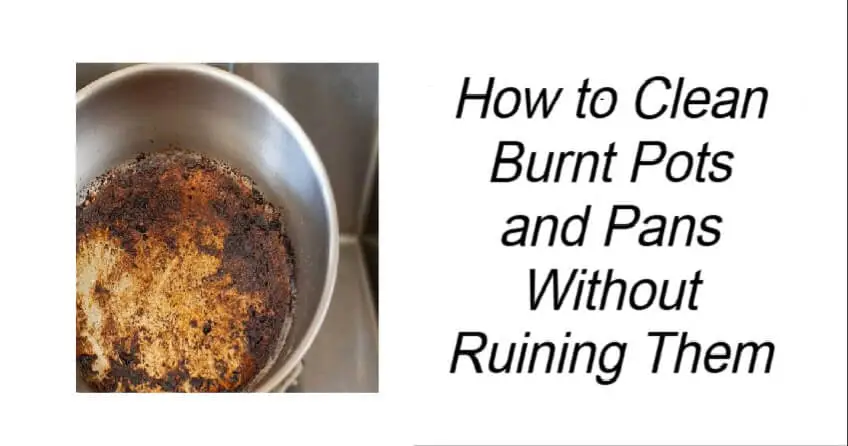
How to Clean Burnt Pots and Pans Without Ruining Them
We’ve all been there. One moment you’re cooking a great meal—and the next, you’re staring at a blackened, burnt mess welded to the bottom of your favorite pot or pan. Burnt food can feel impossible to remove, especially from stainless steel, cast iron, or non-stick cookware.
The good news? You don’t need to throw anything away or scrub for hours. With a few simple techniques and common household ingredients, you can bring your cookware back to life.
Step 1: Start With a Soak
Before reaching for anything abrasive, try the gentlest solution first.
Fill the pot or pan with hot water and a small amount of dish soap. Let it soak for at least 30 minutes to an hour. For lighter burns, this alone may loosen the residue enough to gently scrape it away using a wooden spoon or silicone spatula.
For heavy burns, letting the pan soak overnight can make a dramatic difference.
Step 2: Boil Away the Burn With Baking Soda
If soaking doesn’t do the trick, it’s time to bring out baking soda.
Fill the pan with enough water to cover the burnt area and add 2–3 tablespoons of baking soda. Bring the mixture to a boil, then reduce the heat and let it simmer for 10–15 minutes.
Turn off the heat and allow the pan to cool slightly. The heat combined with baking soda helps break down stubborn residue, making it much easier to lift away with a soft sponge or non-abrasive scrubber.
Step 3: Use the Vinegar and Baking Soda Power Combo
For especially stubborn messes, vinegar and baking soda can work wonders—especially on stainless steel.
Pour enough white vinegar into the pan to cover the burnt area and bring it to a gentle boil. Turn off the heat, then add a couple of tablespoons of baking soda. The fizzing reaction helps loosen burnt-on food.
Let it sit for 10–15 minutes before scrubbing gently.
Important: Avoid this method on cast iron or aluminum cookware, as vinegar can damage the surface or strip seasoning.
Step 4: Scrub Gently With Salt
Coarse salt, such as kosher or sea salt, works as a mild abrasive without damaging cookware.
Mix salt with a small amount of water or lemon juice to form a paste. Use a soft cloth or sponge to scrub the burnt area. This method is particularly effective for cast iron pans, since salt won’t strip the seasoning the way soap or vinegar can.
Step 5: Be Extra Careful With Non-Stick Pans
Non-stick cookware needs special care. Never use metal utensils or abrasive scrubbers.
After soaking, apply a paste of baking soda and water and gently rub the burnt area with a soft sponge. Rinse thoroughly and avoid repeating this process too often to preserve the non-stick coating.
How to Prevent Burnt Pans in the Future
A few small habits can save you a lot of cleanup later:
- Use lower heat when cooking delicate foods
- Stir regularly to prevent sticking
- Avoid multitasking while cooking
- Add oil or water before heating the pan
Final Thoughts
Burnt pots and pans may look hopeless, but they’re rarely beyond saving. With soaking, gentle boiling, and simple pantry staples like baking soda, vinegar, and salt, you can clean even stubborn messes without damaging your cookware.
A little patience goes a long way—and your favorite pots and pans will be shining and ready for the next meal in no time.
You’ve just read, How to Clean Burnt Pots and Pans Without Ruining Them. Why not read Manager Had To Hire A New Employee.