
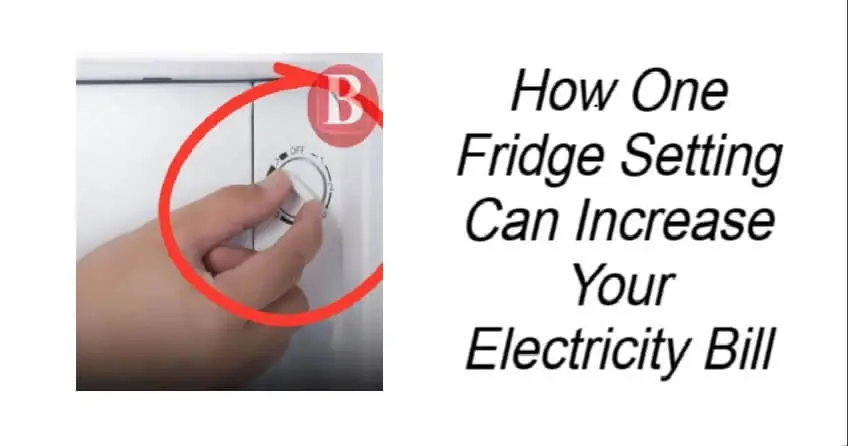
How One Fridge Setting Can Increase Your Electricity Bill
Most of us treat the refrigerator as a “set it and forget it” appliance. You plug it in, stock it with food, and assume it’s running efficiently in the background. But what if your fridge is using far more electricity than it needs to—simply because of one small, often overlooked setting?
The surprising truth is that many refrigerators are set colder than necessary. And that extra chill could be quietly driving up your energy bill month after month.
The good news? A simple adjustment could lead to real, long-term savings—with no sacrifice to food safety.
The Fridge Number Dial Most People Ignore
Inside almost every refrigerator is a small dial or digital control labeled with numbers—usually 1 to 5 or 1 to 7. This isn’t a direct temperature reading. Instead, it controls how hard the fridge works to cool the interior.
In most cases:
- Lower numbers = warmer
- Higher numbers = colder
Many people assume turning the dial to the highest number is safest. In reality, that setting often makes your fridge work overtime—without providing any real benefit.
The Ideal Temperature for Your Fridge
According to food safety and energy experts, the sweet spot is:
- Refrigerator: 3°C–5°C (37°F–41°F)
- Freezer: −18°C (0°F)
This range keeps food fresh and safe while preventing the compressor from running more than necessary. When your fridge is colder than this, you’re not only wasting energy—you may also be freezing produce, damaging textures, and increasing food waste.
Why This One Setting Affects Your Energy Bill
Your refrigerator runs 24 hours a day, every day, making it one of the biggest electricity users in your home. When the temperature is set too low, the compressor cycles more often and works harder to maintain that cold level.
By adjusting the dial to a moderate setting—usually 3 or 4 out of 7—you reduce unnecessary workload while still keeping food safely chilled. Over time, this small change can add up to meaningful savings.
Extra Tips to Boost Fridge Efficiency
Once your temperature is set correctly, a few additional habits can help your fridge run even more efficiently:
- Don’t block air vents – Proper airflow keeps cooling consistent
- Keep it reasonably full – A stocked fridge holds cold better, but avoid overloading
- Check the door seal – Cracks or loose seals let cold air escape
- Let hot food cool first – Hot dishes raise internal temperatures
- Defrost older models – Ice buildup reduces efficiency
How Much Can You Actually Save?
Depending on your fridge’s age and current settings, adjusting the temperature alone can reduce energy use by 15–30%. Older or less efficient models may see even bigger improvements.
When combined with better habits, many households notice a visible drop in their monthly electricity bill—especially in homes where cooling appliances run constantly.
A Small Change With Big Impact
The next time you open your fridge, take a moment to check that number dial. That tiny setting could be costing you more than you think—or saving you money with a simple twist.
In a world of rising energy prices, the smartest savings often come from the appliances we use every day. And surprisingly, your refrigerator might be the easiest place to start.
You’ve just read, How One Fridge Setting Can Increase Your Electricity Bill. Why not read Manager Had To Hire A New Employee.