
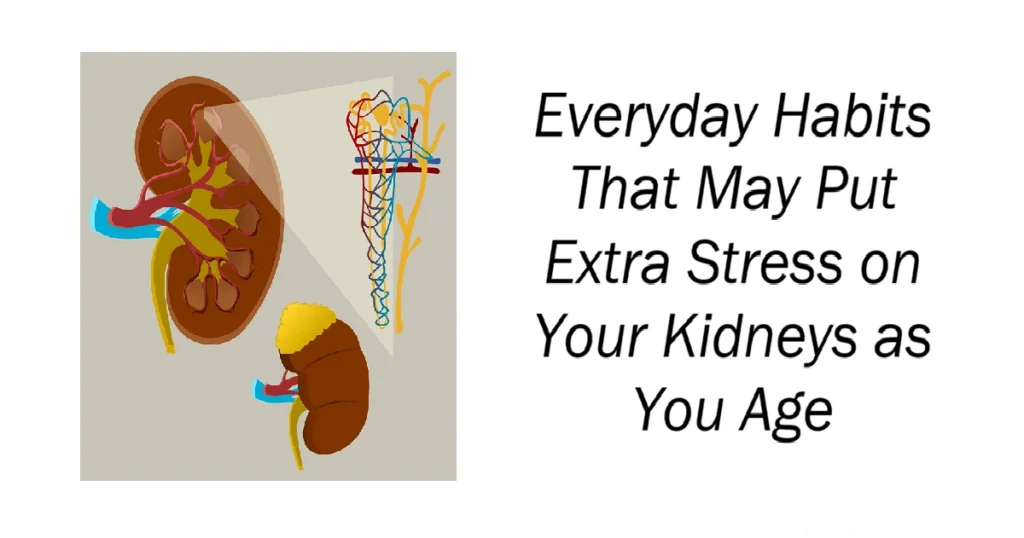
Everyday Habits That May Put Extra Stress on Your Kidneys as You Age
Most of us don’t spend much time thinking about our kidneys.
They work quietly behind the scenes every day, filtering waste, balancing fluids, regulating minerals, and helping keep the body functioning properly. Because they rarely demand attention, it’s easy to overlook the role our daily habits play in supporting—or straining—them.
As we get older, kidney function naturally changes. While some decline is a normal part of aging, certain lifestyle factors can place additional stress on these hardworking organs.
The good news?
Small adjustments can make a meaningful difference.
Here are four common habits that may affect kidney health over time—and simple ways to support your kidneys as you age.
Why Kidney Health Matters
Your kidneys filter approximately 180 liters of fluid every day, removing waste products while keeping essential nutrients and minerals in balance.
Over time, factors such as high blood pressure, diabetes, certain medications, and lifestyle choices can affect how efficiently these filters work.
That’s why protecting kidney health isn’t just about preventing disease—it’s about maintaining overall wellness, energy, and quality of life.
#4: Sitting for Long Periods
Modern life encourages us to sit more than ever.
Whether you’re watching television, reading, working on a computer, or driving, long periods of inactivity can affect circulation and overall health.
While sitting itself doesn’t directly damage the kidneys, a sedentary lifestyle is linked to conditions such as obesity, high blood pressure, and diabetes—three major risk factors for kidney disease.
Simple ways to move more:
✔ Stand up every hour
✔ Take short walks throughout the day
✔ Stretch while watching TV
✔ Use household tasks as opportunities for movement
Even a few minutes of activity can help break up long periods of sitting.
#3: Frequent Use of Certain Pain Relievers
Over-the-counter pain medications can be helpful when used appropriately, but regular or excessive use may affect kidney function in some people.
Certain medications, especially when taken frequently or at high doses, can reduce blood flow to the kidneys and place additional stress on these organs.
What you can do:
- Follow dosing instructions carefully
- Avoid taking medications longer than recommended without medical advice
- Discuss chronic pain management options with your healthcare provider
If you take pain relievers regularly, it’s worth having a conversation with your doctor about what’s safest for your individual situation.
#2: Too Much Hidden Sodium
When people think about salt, they usually picture the salt shaker.
In reality, most dietary sodium comes from packaged and processed foods.
Common sources include:
- Canned soups
- Processed meats
- Frozen meals
- Snack foods
- Restaurant meals
- Packaged sauces and dressings
Too much sodium can contribute to elevated blood pressure, which is one of the leading causes of kidney damage.
Simple ways to reduce sodium:
✔ Read nutrition labels
✔ Choose lower-sodium products when available
✔ Cook more meals at home
✔ Season foods with herbs, garlic, lemon, and spices instead of extra salt
Small reductions can have a significant impact over time.
#1: Excess Added Sugar and Refined Carbohydrates
One of the most overlooked dietary concerns isn’t salt—it’s sugar.
Foods high in added sugars and refined carbohydrates can contribute to weight gain, insulin resistance, and type 2 diabetes.
Since diabetes is one of the leading causes of kidney disease worldwide, managing blood sugar levels plays an important role in long-term kidney health.
Common sources include:
- Sugary drinks
- Pastries
- Candy
- White bread
- Sweetened cereals
- Many packaged snacks
Healthier alternatives:
✔ Water or unsweetened beverages
✔ Whole grains
✔ Fresh fruits
✔ Vegetables
✔ Protein-rich snacks
The goal isn’t perfection—it’s making better choices more often.
Signs You Should Discuss With Your Doctor
Kidney problems often develop gradually and may not cause symptoms in the early stages.
It’s important to mention any concerning changes to your healthcare provider, including:
- Swelling in the feet, ankles, or hands
- Unusual fatigue
- Changes in urination patterns
- Persistent high blood pressure
- Difficulty concentrating
- Unexplained nausea or loss of appetite
Routine health screenings can often detect kidney issues before noticeable symptoms appear.
Everyday Habits That Support Kidney Health
Protecting your kidneys doesn’t require extreme measures.
Many of the most effective habits are surprisingly simple:
💧 Stay adequately hydrated
🥗 Eat a balanced diet
🚶 Stay physically active
🩺 Manage blood pressure and blood sugar
🚭 Avoid smoking
🍷 Consume alcohol in moderation
💊 Use medications responsibly
Consistency matters more than perfection.
The Bottom Line
Your kidneys work around the clock to keep your body balanced and healthy.
As you age, paying attention to simple daily habits can help reduce unnecessary strain and support long-term kidney function.
Moving a little more, limiting excess sodium and added sugars, and using medications wisely are small changes that can add up over time.
The best part?
You don’t need a complete lifestyle overhaul to make a positive difference.
Sometimes the most powerful health improvements begin with the smallest everyday choices.
You’ve just read Everyday Habits That May Put Extra Stress on Your Kidneys . Why not read Which Raw Food Would You Choose