
Ever Wonder Why Some Chicken Is Yellow …Here’s the Real Reason
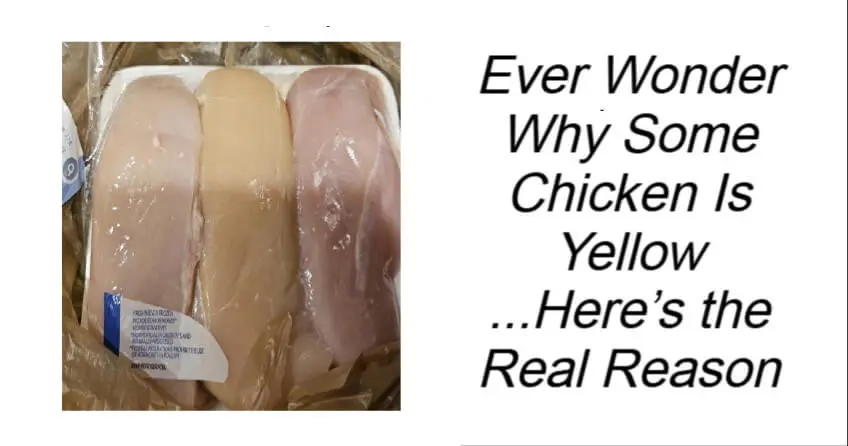
Ever stood in the supermarket staring at two trays of chicken—one pale, one golden yellow—and wondered why they look so different? You’re not alone. Many shoppers assume color reveals freshness, flavor, or nutritional value. The truth? It’s far more interesting than that.
What Chicken Color Really Means
Chicken color does reveal something—but not necessarily quality.
White Chicken
Pale chicken typically comes from birds raised indoors in large-scale, factory-farming environments. Their diet usually consists of grains like corn, wheat, and soy. These chickens grow quickly, move very little, and rarely see sunlight.
The result? Meat that’s pale pink or white, sometimes with a slightly bluish cast.
Yellow Chicken
Yellow chicken often comes from birds fed a more natural, carotenoid-rich diet. Ingredients such as corn, greens, and even marigold petals contribute to the golden color.
It’s the same idea as flamingos turning pink from shrimp—the pigments in the diet change the animal’s appearance.
Is Yellow Chicken Healthier?
Not always. While a yellow tint can suggest a more natural diet or better living conditions—especially if the bird is pasture-raised or free-range—color alone isn’t proof of quality.
Some producers intentionally deepen the yellow color by adding lutein or natural pigments to the feed. So, that rich golden tone doesn’t always guarantee superior nutrition.
For real assurance, look for labels such as:
- Pasture-Raised
- Free-Range
- Organic
- Certified Humane
These provide better insight than color ever could.
Does the Color Affect Flavor?
Color itself doesn’t change taste. But what causes the color often does.
- White, factory-farmed chicken tends to be mild, lean, and sometimes watery.
- Yellow, pasture-raised chicken usually has firmer texture, richer flavor, and deeper, more satisfying meat.
Lifestyle—not pigment—is what makes the difference.
Chicken Skin: More Than Just Color
Skin color varies from very pale to deep yellow. While diet influences the shade, cultural perception shapes preference:
- In some countries, yellow chicken is prized for its flavor and freshness.
- In others, white chicken is seen as cleaner and higher quality.
But neither view is universally “correct.” It’s simply regional preference.
Free-Range vs. Pasture-Raised: What’s the Real Difference?
Labels can be confusing:
- Free-range only means the chicken had some outdoor access—how much is not specified.
- Pasture-raised means the birds roamed open fields, foraging on grass, insects, and seeds.
Pasture-raised chickens typically have:
- Higher omega-3 levels
- More vitamins A and E
- Better muscle tone
- Healthier fat ratios
Their meat tends to be more flavorful—and yes, often more yellow.
How to Choose the Best Chicken (Color Aside)
When shopping, don’t rely solely on appearance. Instead:
- Ignore color as a quality marker
- Read labels carefully—Organic, Pasture-Raised, Certified Humane
- Smell the meat—fresh chicken should never smell sour or metallic
- Check the texture—it should feel firm, not slimy
- Buy from trusted sources—farm stands, local butchers, or reputable stores
The Bottom Line
Color starts the story, but diet, lifestyle, and farming practices tell the full truth. Whether your chicken is yellow or white, the real measure of quality is how it was raised—and how it tastes in your favorite recipe.
Heat up your skillet, sprinkle on some herbs, and let your taste buds decide.
You’ve just read, Ever Wonder Why Some Chicken Is Yellow . Why not read Manager Had To Hire A New Employee.