
Ever Seen the Creepy Wall-Clinging Moth …Here’s the Truth Behind the Viral Image
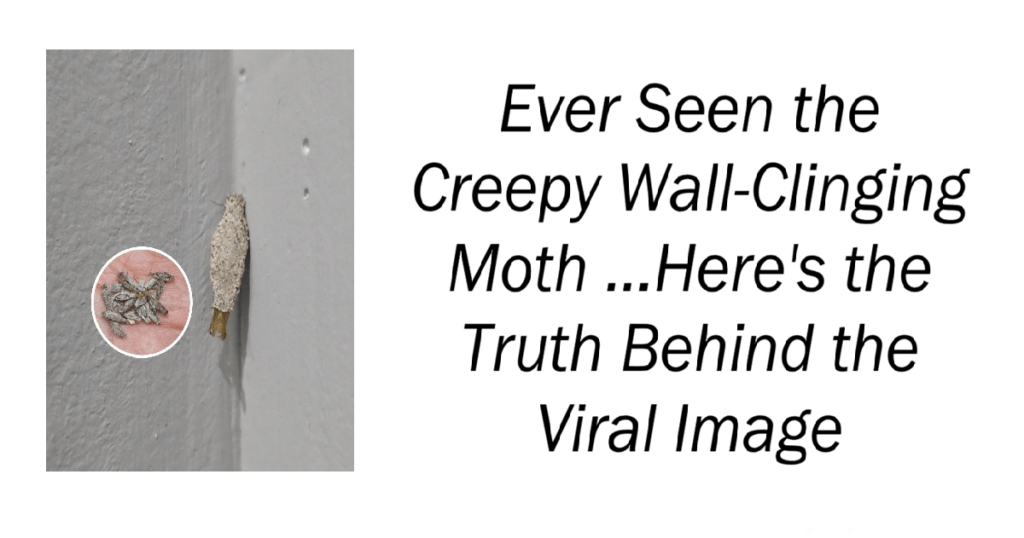
If you’ve been scrolling through social media lately, you’ve probably come across a strange image of a large, fuzzy moth clinging flat against a wall. Often called the “Kamitetep,” the creature has sparked curiosity, fear, and countless online discussions.
Some posts claim it’s a rare species found in remote forests, while others warn that it can sting or pose a danger to humans.
So, is the Kamitetep real?
The Truth About the “Kamitetep”
Despite its widespread popularity online, the Kamitetep is not a real moth species.
There is no scientific record of an insect by that name, nor is it recognized by entomologists or listed in any official insect databases. The images circulating online are widely believed to be digital artwork or AI-generated creations designed to resemble a mysterious new species.
The convincing appearance has fooled many people into believing the insect actually exists.
Why Do People Believe It’s Real?
The viral posts are incredibly persuasive because they combine several elements that naturally grab attention:
- A realistic-looking insect
- A mysterious name
- Claims of a remote habitat
- Warnings that it may be dangerous
- High-quality images that appear authentic
Together, these details create a story that’s easy to believe—and even easier to share.
What Real Moths Rest on Walls?
Although the Kamitetep itself isn’t real, many genuine moth species do rest on walls, tree trunks, and fences during the day or around outdoor lights at night.
Some examples include:
- Tiger moths
- Owlet moths
- Silk moths
- Tussock moths
Many of these species have fuzzy bodies, camouflage patterns, or eye-like markings that help protect them from predators.
Are Fuzzy Moths Dangerous?
Most adult moths are completely harmless to people.
However, some caterpillars—especially those of flannel moths and certain tussock moths—have tiny venomous hairs that can cause skin irritation if touched. The adult moths themselves generally do not sting or bite.
As with any wild insect, it’s best to admire them without handling them.
Why Do Moths Gather Around Homes?
If you’ve ever found a moth resting on your wall or porch, there’s a simple explanation.
Moths are commonly attracted to:
- Outdoor lights
- Warm surfaces
- Sheltered resting places
- Nearby vegetation
Their flat resting posture helps them remain hidden from birds and other predators.
How to Tell if a Viral Wildlife Story Is Real
When you see a mysterious creature online, it’s worth taking a moment to verify the claim.
Ask yourself:
- Is the species listed by a reputable scientific source?
- Can you find multiple independent reports?
- Does the location actually exist?
- Are the images linked to a digital artist or AI-generated content?
A quick search can often separate fascinating facts from internet fiction.
Final Thoughts
The Kamitetep may not be a real moth, but it highlights how easily realistic artwork and viral storytelling can blur the line between fact and fiction.
Fortunately, the natural world is already full of remarkable moths that are just as fascinating as anything the internet can invent. From giant Atlas moths to fluffy poodle moths, real insects continue to amaze scientists and nature lovers alike.
So the next time you come across a strange creature online, enjoy the mystery—but don’t forget to check the science before believing the story.
You’ve just read Ever Seen the Creepy Wall-Clinging Moth . Why not read 6 Effective Ways to Keep Mice Out of Your Home