
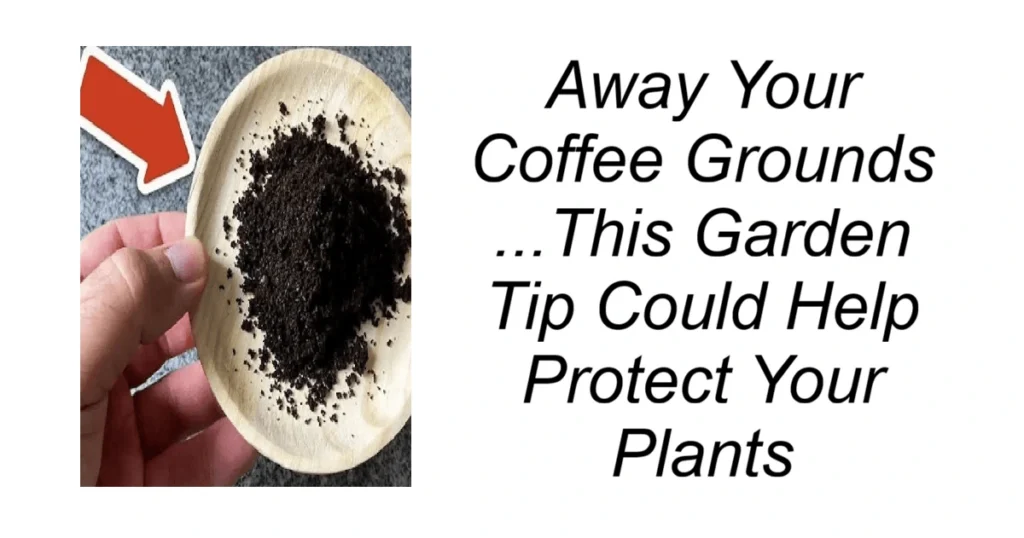
Don’t Throw Away Your Coffee Grounds …This Garden Tip Could Help Protect Your Plants
After days of heavy rain, gardens can finally enjoy a little sunshine. The soil is moist, plants look refreshed, and everything seems ready to grow. But there’s one unwelcome surprise many gardeners know all too well: slugs!
As soon as the rain stops, these slimy garden visitors can emerge from their hiding places and begin feasting on tender leaves, young seedlings and freshly planted vegetables.
If you’ve ever checked your garden in the morning only to discover holes in your lettuce or a row of damaged seedlings, you know how frustrating it can be. After spending weeks caring for your plants, the last thing you want is to see them destroyed overnight.
Before reaching for chemical slug killers, however, you might want to look at something you usually throw away after breakfast: used coffee grounds.
This everyday kitchen leftover is often recommended as a natural garden remedy. But can it really help keep slugs away, and what’s the best way to use it?
Why Do Slugs Love Your Garden After Rain?
Slugs thrive in damp conditions because their soft bodies need moisture to move around. After rainfall, gardens offer the perfect environment for them to explore, feed and reproduce.
Tender seedlings, lettuce, strawberries and other soft plant growth are particularly attractive to many slug species. Unfortunately, a single night of feeding can leave young plants badly damaged.
Slugs also prefer cool, sheltered places where they can hide during the day. Piles of damp leaves, dense weeds, old plant pots and discarded garden debris can all provide convenient hiding spots.
The good news is that a few simple changes to your gardening routine can make your garden less inviting to these hungry visitors.
Can Coffee Grounds Help Keep Slugs Away?
Used coffee grounds are a popular home gardening tip, and there are a few reasons gardeners are interested in them.
Coffee grounds contain organic matter that can contribute to compost, while their texture and smell have led some people to try using them around vulnerable plants.
However, there’s an important distinction between a popular gardening trick and a proven solution.
Coffee grounds are not a reliable, scientifically established slug barrier. Slugs may cross them, particularly when the grounds are damp, and spreading large quantities directly onto garden soil can cause other problems.
Coffee also contains caffeine, which can affect slugs at sufficient concentrations, but ordinary used coffee grounds do not provide a predictable or dependable dose. They shouldn’t be relied on to protect valuable seedlings.
That doesn’t mean you need to throw your coffee grounds away. There are better ways to put them to use in the garden.
How to Use Coffee Grounds in Your Garden
1. Add Them to Your Compost
One of the most practical uses for used coffee grounds is adding them to your compost heap.
They contribute organic material and can be combined with dry leaves, cardboard and other suitable compost ingredients. Mix them in rather than adding a thick, compacted layer.
Once the compost has broken down properly, you can use it to improve soil structure and support healthy plant growth.
2. Use Them Sparingly Around Plants
If you want to experiment with coffee grounds around your plants, use only a small amount and avoid creating a thick layer over the soil.
Don’t assume that a ring of grounds will stop slugs from reaching your vegetables. Monitor your plants and use more dependable protective measures where necessary.
Also, avoid repeatedly adding large amounts of coffee grounds to the same area, as excessive applications can affect soil conditions and plant growth.
Five More Effective Ways to Protect Your Plants From Slugs
If slugs are damaging your garden after wet weather, these simple methods are worth trying.
1. Check Your Garden in the Evening
Slugs are often most active during damp evenings and at night. Taking a torch outside after sunset can help you spot them before they cause more damage.
Pick them off by hand if you’re comfortable doing so, and relocate or dispose of them in accordance with local guidance.
2. Remove Their Favourite Hiding Places
Clear away rotting leaves, unnecessary piles of weeds and other damp debris near vulnerable plants.
You don’t need to make your garden completely bare. Instead, focus on removing unnecessary hiding places close to seedlings and vegetable beds.
3. Protect Young Seedlings
Young plants are particularly vulnerable because a small amount of feeding can destroy a large proportion of their leaves.
Consider using suitable physical barriers, protective cloches or purpose-designed slug guards. Check them regularly to ensure slugs aren’t trapped underneath.
4. Encourage Natural Predators
A wildlife-friendly garden can support animals that feed on slugs, including some ground beetles, frogs and toads.
Providing suitable habitats, avoiding unnecessary pesticide use and maintaining a variety of plants can help encourage garden biodiversity.
Remember, natural predators can contribute to pest control, but they won’t eliminate every slug.
5. Choose Slug Controls Carefully
If the problem becomes severe, consider a suitable, locally approved slug-control product and follow its label instructions carefully.
In the UK, check that any pesticide is authorised for your intended use, and take particular care around children, pets, wildlife and edible crops. Avoid improvised chemical mixtures that could harm plants or other garden visitors.
The Secret to a Healthier, Slug-Free Garden
After heavy rainfall, it’s perfectly normal to see more slugs in your garden. Moist soil, tender growth and damp hiding places create ideal conditions for them.
Used coffee grounds may be worth saving for your compost, but they aren’t a magic solution to slug damage. Your best defence is a combination of regular checks, good garden hygiene and suitable physical protection for vulnerable plants.
So, before you throw away your next batch of coffee grounds, consider giving them a second life in your compost heap.
And the next time the rain clears and the sun comes out, take a few minutes to inspect your seedlings. A little early attention can make all the difference between a thriving vegetable patch and a disappointing morning discovery.
What’s your favourite way to protect garden plants from slugs after rainy weather? Share your tried-and-tested gardening tips with other gardeners!
You’ve just read Don’t Throw Away Your Coffee Grounds. Why not read Don’t Throw Away Those Brown Bananas