
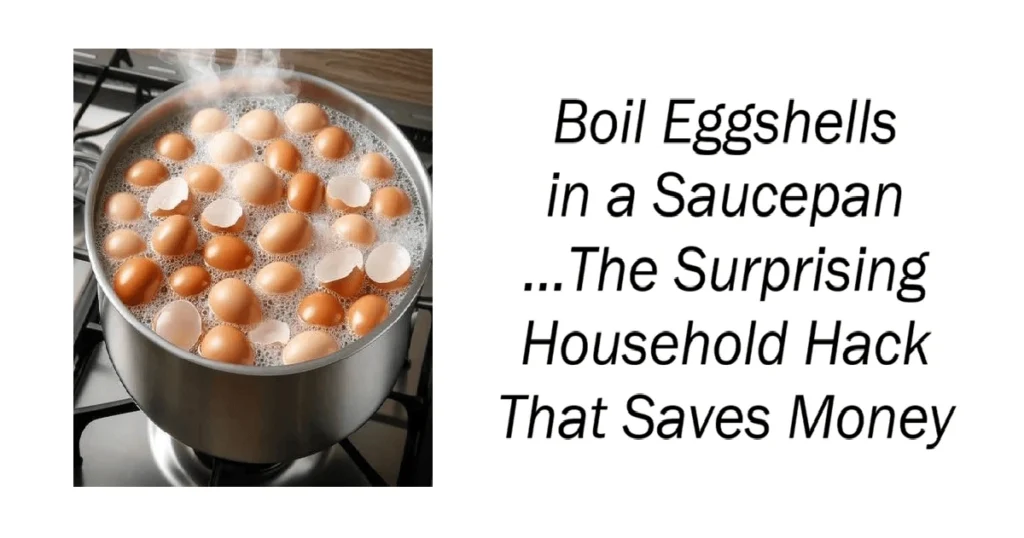
Boil Eggshells in a Saucepan …The Surprising Household Hack That Saves Money
Most of us toss eggshells straight into the trash without a second thought. But those fragile shells are packed with valuable nutrients that can benefit your garden in surprising ways.
With a simple boiling method, you can transform leftover eggshells into a natural fertilizer and soil amendment that supports healthy plant growth while reducing kitchen waste. Best of all, it costs virtually nothing.
Why Eggshells Are Good for Your Garden
Eggshells are made primarily of calcium carbonate, the same compound found in agricultural lime. Calcium is an essential nutrient that helps plants develop strong cell walls and maintain healthy growth.
Here are some of the key benefits of using eggshells in your garden.
1. Provides a Natural Source of Calcium
Many plants rely on calcium to grow properly. A lack of calcium can contribute to issues such as blossom-end rot, a common problem affecting tomatoes, peppers, and squash.
Adding eggshells to your gardening routine can help replenish calcium levels in the soil over time.
2. May Help Deter Garden Pests
Crushed eggshells create a rough surface that some gardeners use as a barrier around plants.
While scientific evidence is mixed regarding their effectiveness against slugs and snails, many gardeners continue to use eggshells as part of an integrated pest management strategy.
3. Supports Healthy Soil
As eggshells break down, they contribute minerals to the soil and can help improve overall soil quality.
In certain conditions, eggshells may also help moderate soil acidity, although their effects are gradual compared to commercial soil amendments.
How to Make Eggshell Water for Plants
This simple method allows some minerals from the shells to infuse into the water, creating a gentle supplement for your plants.
What You’ll Need
- Eggshells from several eggs
- A saucepan
- Water
- A strainer
- A container or watering can
Step-by-Step Instructions
Step 1: Clean the Eggshells
Rinse the shells thoroughly to remove any remaining egg residue. This helps prevent odors and keeps the shells clean.
Step 2: Boil the Shells
Place the eggshells in a saucepan and cover them with water.
Bring the water to a boil and allow it to simmer for approximately 10 minutes.
This process helps sterilize the shells and releases small amounts of minerals into the water.
Step 3: Cool and Strain
Remove the saucepan from the heat and allow everything to cool completely.
Strain the liquid into a clean container, separating the water from the shells.
Step 4: Dry and Crush the Shells
Once the shells have dried, crush them into small pieces or grind them into a fine powder.
A mortar and pestle, blender, or coffee grinder can make the process easier.
How to Use Your Eggshell Products
Use the Eggshell Water
The cooled eggshell water can be used to water:
- Vegetable gardens
- Flower beds
- Container plants
- Indoor houseplants
It provides a gentle mineral boost as part of a regular watering routine.
Add Crushed Shells to Soil
Mix crushed eggshells directly into the soil around plants.
As they slowly decompose, they release calcium and other trace minerals into the growing environment.
Create a Protective Barrier
Sprinkle crushed eggshells around vulnerable plants as a physical barrier that may discourage certain crawling pests.
Extra Ways to Use Eggshells
Add Them to Compost
Eggshells are a valuable addition to compost piles.
They contribute calcium and other minerals that enrich finished compost.
Feed Container Plants
Potted plants can benefit from occasional applications of crushed eggshells or eggshell water, especially during the growing season.
Save Money Naturally
Using eggshells reduces household waste while providing a free alternative to some commercial soil supplements.
A Few Important Notes
Although eggshells can be a useful garden resource, they aren’t a miracle solution.
Keep in mind:
- Eggshells break down slowly in soil.
- They work best as part of a broader soil-care program.
- Severely calcium-deficient soils may require additional amendments.
- Results vary depending on soil conditions and plant needs.
Consistency is key. Small additions over time can contribute to healthier garden soil and stronger plants.
Final Thoughts
Before tossing your next eggshell into the trash, consider giving it a second life in the garden.
Whether you use eggshell water, crushed shells, or add them to your compost pile, this simple kitchen scrap can become a useful tool for supporting plant health naturally.
It’s an easy, eco-friendly habit that reduces waste, saves money, and helps your garden thrive—one eggshell at a time.
You’ve just read Boil Eggshells in a Saucepan . Why not read Start Your Morning with This Simple Drink