
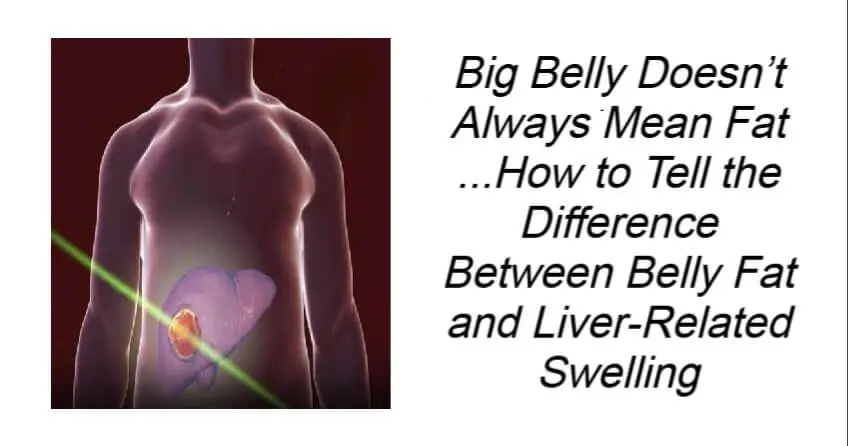
Big Belly Doesn’t Always Mean Fat …How to Tell the Difference Between Belly Fat and Liver-Related Swelling
Most people assume a growing belly is simply a sign of weight gain. But sometimes, a protruding abdomen can indicate something more serious—especially when it’s caused by fluid buildup, not fat. In some cases, this swelling can be linked to conditions affecting the liver.
Here’s how to understand the difference.
When a Big Belly Isn’t Just Fat
Typical belly fat—also known as abdominal or visceral fat—is often related to metabolic issues like diabetes, high blood pressure, and high cholesterol. It’s usually soft, squishy, and evenly distributed.
However, when the belly becomes hard, tight, and noticeably round, it may be a sign of ascites, a condition where fluid accumulates inside the abdominal cavity. Ascites is commonly associated with liver disease, including advanced liver damage or, in severe cases, liver cancer.
According to clinicians like Dr. Jesada Bunyavongviroj of Maharat Nakhon Ratchasima Hospital in Thailand, sudden or unusual abdominal swelling should always be evaluated by a healthcare professional.
How to Tell Belly Fat From Ascites
Here are a few practical differences:
1. Touch Test
Belly fat:
• Soft
• Pliable
• Moves when pressed
Ascites:
• Firm or tense
• May feel tight or stretched
• Rebounds quickly when pressed
2. Lie-Down Test
Belly fat:
• Spreads outward to the sides when lying flat
Ascites:
• Belly stays round and distended, often forming a dome-like shape
3. Symptoms
Belly fat:
• Usually no additional symptoms besides gradual weight gain
Ascites:
• Fatigue
• Swollen legs or ankles
• Yellowing of the skin or eyes (jaundice)
• Difficulty breathing when lying flat
• Nausea or reduced appetite
• Rapid, unexplained weight gain
Key Signs of Ascites
- Noticeably swollen abdomen
- Jaundice
- Breathing difficulties
- Early fullness when eating
- Fatigue and swelling in the limbs
- Sudden changes in weight or waist size
What Causes Ascites?
While liver disease, especially cirrhosis, is the most common cause, ascites can also result from:
- Heart failure
- Kidney disease
- Certain cancers
- Thyroid disorders
- Severe infection or inflammation
Because the underlying causes vary, medical evaluation is essential.
Treatment and Management
Treatment depends entirely on the cause. A healthcare professional might recommend:
- For liver-related ascites: reducing sodium, fluid management, prescription diuretics, or in advanced cases, liver transplantation
- For cancer-related ascites: targeted treatment such as chemotherapy or drainage procedures
- For heart or kidney-related causes: addressing the underlying organ issue
How to Protect Liver Health
You can reduce your risk of liver-related complications by:
- Limiting or avoiding alcohol
- Maintaining a healthy weight through balanced nutrition
- Getting vaccinated for hepatitis A and B
- Having regular health check-ups
- Discussing supplements (such as vitamin E or choline) with your doctor before use
When to See a Doctor
If your abdomen becomes unexpectedly swollen, hard, or round—especially if accompanied by jaundice, fatigue, or breathing issues—seek medical advice promptly. Early evaluation is important, and timely treatment can make a significant difference.
You’ve just read, Big Belly Doesn’t Always Mean Fat. Why not read Manager Had To Hire A New Employee.