
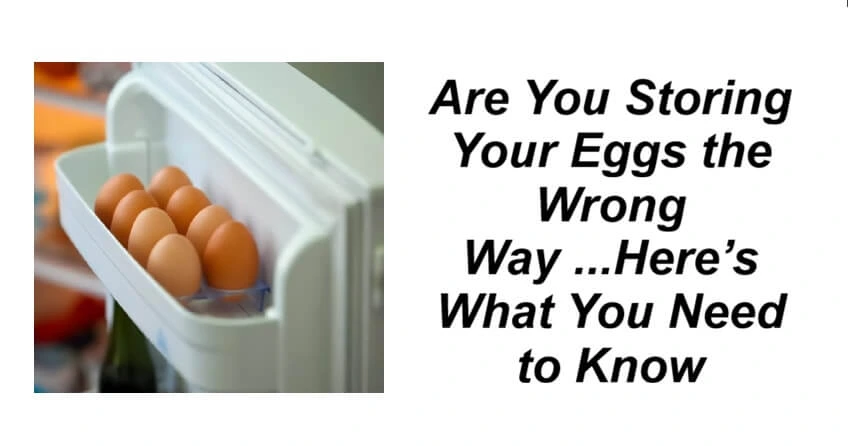
Are You Storing Your Eggs the Wrong Way …Here’s What You Need to Know
When it comes to keeping your food fresh, egg storage might not be the first thing on your mind—but it should be. While many refrigerators come with those handy little egg holders in the door, they might actually be doing more harm than good.
It may feel convenient to place your eggs there, but this common habit could be quietly reducing their freshness—and even increasing safety risks. Let’s break down why.
🚫 Why the Refrigerator Door Isn’t the Best Spot
1. Temperature Swings Matter More Than You Think
Every time you open your fridge, the door is exposed to warmer air. That means the eggs stored there are constantly going through small temperature changes.
Eggs are delicate and perishable, so they thrive in a consistently cold environment. These fluctuations can cause them to spoil faster than expected.
2. A Hidden Risk of Bacteria
Eggs come with a natural protective coating that helps keep bacteria out. However, when temperatures fluctuate, condensation can form on the shell.
That moisture creates the perfect environment for bacteria to sneak in and grow—something you definitely want to avoid in your kitchen.
3. More Movement = More Damage
Think about how often you open and close your fridge door. Each time, your eggs shift slightly. Over time, that movement increases the risk of cracks or breakage.
Even tiny cracks can expose eggs to contamination, making them unsafe to eat.
✅ How to Store Eggs the Right Way
Now that you know what not to do, here are some simple tips to keep your eggs fresher for longer:
Keep Them in Their Original Carton
That cardboard carton isn’t just packaging—it’s protection. It prevents eggs from absorbing strong odors and helps retain moisture. Plus, you’ll always have the expiration date handy.
Store Them on a Shelf, Not the Door
Place your eggs on a middle or lower shelf where the temperature stays stable. These areas are usually the coldest and safest spots in your fridge.
Maintain the Right Temperature
For best results, keep your fridge at or below 40°F (4°C). This slows down bacterial growth and keeps your eggs fresh longer.
Avoid Washing Before Storage
Washing eggs removes their natural protective layer. If they’re dirty, it’s better to clean them right before you use them—not before storing.
Use Them in Time
Eggs can sometimes last beyond their “best by” date, but it’s always safer to use them within the recommended period.
Not sure if an egg is still good? Try the float test:
- Sinks = fresh
- Floats = time to toss
Got Extra Eggs? Freeze Them
If you won’t use your eggs in time, crack and lightly whisk them, then store in a freezer-safe container. They’ll be ready whenever you need them for cooking or baking.
Final Thoughts
Storing eggs in the fridge door might seem like a smart shortcut, but it can actually compromise their quality and safety. A simple switch—keeping them in their carton on a stable shelf—can make a big difference.
With just a few small changes, you’ll keep your eggs fresher, safer, and ready to use whenever you need them.
You’ve just read Are You Storing Your Eggs the Wrong Way. Why not read Why You Should Avoid Hanging Laundry in the Evening