
Are Green or Sprouting Potatoes Safe to Eat …Here’s What You Should Know
Potatoes are a kitchen staple in households all over the world. They’re affordable, filling, and incredibly versatile—perfect for everything from comfort food to quick weeknight meals.
But we’ve all been there…
You reach into your pantry, grab a potato, and notice something off. A green tint. A few tiny sprouts staring back at you.
So the question is:
Should you still use them—or toss them out?
Let’s break it down in a simple, practical way so you can avoid unnecessary waste and keep your meals safe.
Why Do Potatoes Turn Green?
That green color might look alarming, but it actually starts with something natural.
When potatoes are exposed to light—whether sunlight or even indoor lighting—they begin producing chlorophyll, the same pigment that makes plants green.
Here’s the catch:
While chlorophyll itself is harmless, it often appears alongside compounds called glycoalkaloids—specifically solanine and chaconine.
These are natural toxins that potatoes produce to protect themselves from pests. In small amounts, they’re usually not a problem—but higher levels can be harmful.
So think of the green color as a warning sign, not necessarily danger on its own.
Why Do Potatoes Grow Sprouts (“Eyes”)?
Potatoes aren’t just vegetables—they’re actually living storage organs (tubers) that can grow into new plants.
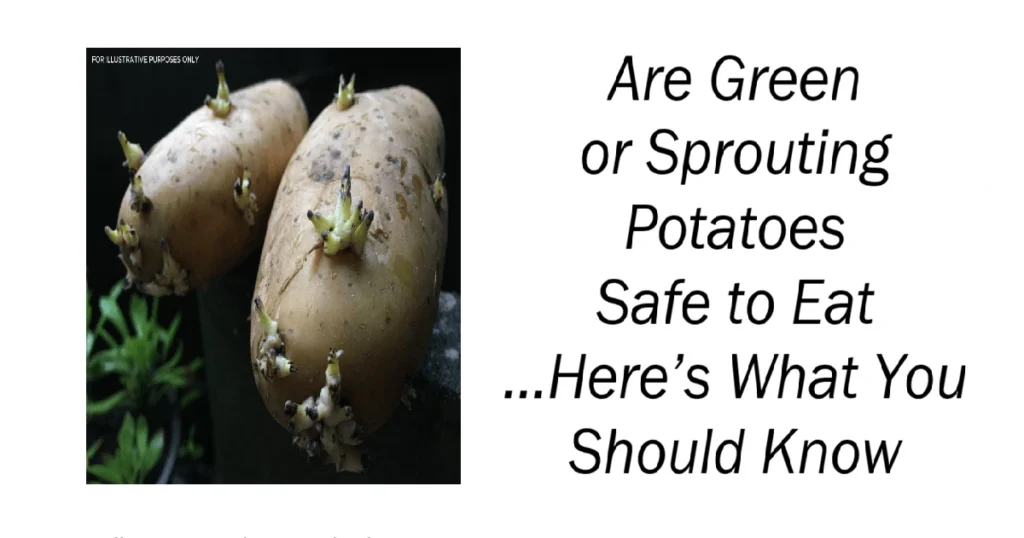
Over time, especially in warm or humid conditions, they begin to sprout. Those little bumps—called “eyes”—start developing into shoots.
This means:
- The potato is aging
- It’s using up its stored nutrients
- Its quality is slowly declining
Sprouting doesn’t automatically make a potato unsafe—but it does mean you should take a closer look before using it.
Can You Still Eat Them?
The answer depends on how far things have progressed.
✅ Usually Safe to Use:
- Slightly green potatoes → Cut away the green parts generously before cooking
- Small sprouts + firm potato → Remove sprouts and peel before use
❌ Best to Throw Away:
- Green color covers large areas
- The potato tastes bitter
- Sprouts are long, thick, or widespread
- The texture is soft, wrinkled, or shriveled
When in doubt, trust your senses—especially taste and texture.
What Happens If You Eat Too Much Solanine?
Eating potatoes with high levels of solanine is uncommon—but it can happen.
Symptoms may include:
- Nausea
- Vomiting
- Stomach cramps
- Diarrhea
- Headaches
- Dizziness
In rare and extreme cases, very high intake could affect the nervous system.
The good news?
Potatoes with high toxin levels usually taste noticeably bitter, which naturally discourages you from eating them.
Does Cooking Make Them Safe?
Unfortunately, not really.
Glycoalkaloids like solanine are heat-stable, which means:
- Boiling
- Baking
- Frying
- Microwaving
…won’t fully remove them.
However:
- Peeling helps reduce toxin levels
- Cutting away green areas is essential
If a potato looks heavily affected, cooking won’t fix it—so it’s better to discard it.
How to Store Potatoes the Right Way
Good storage can make a huge difference in keeping potatoes fresh and safe.
Here’s what works best:
- Keep them cool and dark
Ideal temperature: 7°C–13°C (45°F–55°F) - Avoid light exposure
Use paper bags, baskets, or opaque containers - Allow airflow
Skip sealed plastic bags—moisture speeds up spoilage - Keep them away from onions
Onions release gases that trigger sprouting - Don’t refrigerate raw potatoes
Cold temperatures can affect taste and texture
The Bottom Line
A slightly green or lightly sprouted potato doesn’t always need to go straight in the bin—but it does need careful handling.
If it’s still firm and only mildly affected, trimming and peeling can make it usable.
But if it’s:
- Very green
- Bitter
- Soft
- Or heavily sprouted
…it’s best not to take the risk.
Final Thought
Sometimes, food safety isn’t about strict rules—it’s about knowing what signs to look for.
By storing potatoes properly and checking them regularly, you can waste less, cook smarter, and feel more confident about what’s on your plate.
And next time you spot a green potato?
You’ll know exactly what to do.
You’ve just read Are Green or Sprouting Potatoes Safe to Eat . Why not read I Found My Sister’s Husband With Another Woman