
How to Get Rid of Dog Urine Spots on Your Lawn …A Simple Trick Every Dog Owner Should Know
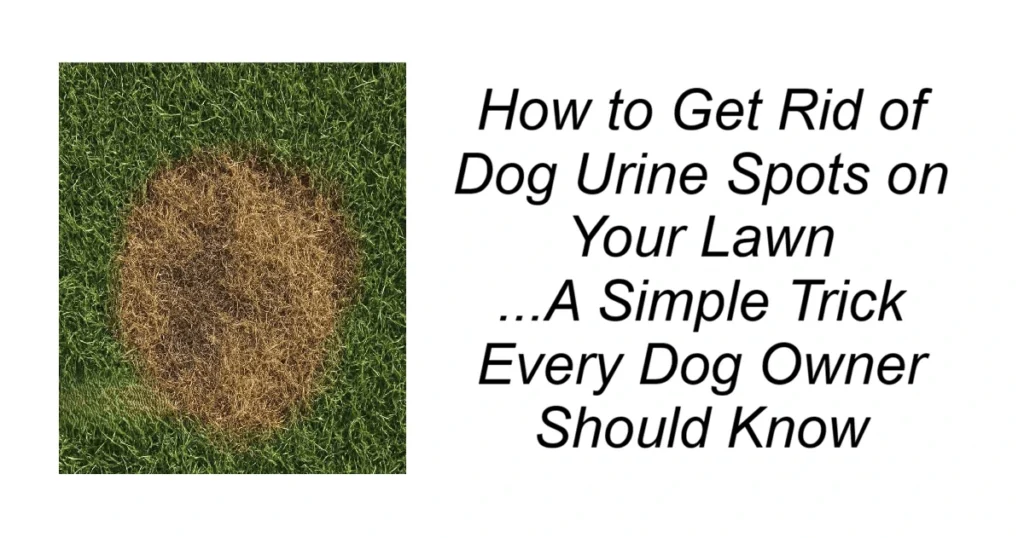
There’s nothing quite like a beautiful, lush green lawn. But if you’re a dog owner, you may have noticed an annoying problem: unsightly yellow and brown patches appearing in the grass wherever your four-legged friend regularly stops for a toilet break.
It can be frustrating, especially when you’ve spent time and effort keeping your garden looking its best. One day your lawn looks perfectly green, and the next, those familiar dry, discoloured patches start appearing.
The good news? You don’t have to choose between having a happy, healthy dog and a beautiful garden.
There’s a simple trick that can make a real difference: dilute dog urine with water as soon as possible. Combined with a little routine lawn care, this can help prevent further damage and give affected grass a better chance of recovering.
Here’s what you need to know to keep your lawn looking greener without making life difficult for your furry friend.
Why Does Dog Urine Turn Grass Yellow or Brown?
Before tackling the problem, it helps to understand what’s actually happening.
Dog urine contains nitrogen and dissolved salts. Although nitrogen is an important nutrient that helps grass grow, too much concentrated in one small area can have the opposite effect.
When your dog repeatedly urinates in the same spot, the concentration can become high enough to damage grass blades and roots. This is what creates those familiar yellow or brown patches.
You may also notice a darker green ring around the damaged area. This happens because the surrounding grass receives a lower concentration of nitrogen, which can act like a small dose of fertiliser.
So, while a little nitrogen can be beneficial, too much concentrated in one place can leave your beautiful lawn looking rather patchy!
What You’ll Need
The best part is that you don’t need expensive lawn treatments or complicated gardening equipment.
Gather a few simple supplies:
- A garden hose or watering can
- Fresh water
- A small garden rake
- Grass seed suitable for your existing lawn
- A little topsoil, if reseeding is necessary
- Patience while the grass recovers!
How to Repair Dog Urine Spots: 5 Simple Steps
1. Water the Area as Soon as Possible
This is the simplest and most important step.
Whenever you notice your dog urinating on the lawn, gently soak the area with fresh water. This helps dilute the concentrated urine and washes some of the dissolved salts through the soil.
You don’t need to flood the garden. Simply apply enough water to thoroughly wet the affected area without creating puddles or runoff.
A helpful tip: Acting quickly makes a big difference. Watering shortly after your dog urinates can help reduce the risk of grass damage, whereas watering a patch that’s already turned brown won’t instantly bring dead grass back to life.
2. Examine the Damaged Grass
If you’ve already noticed yellow or brown patches, don’t immediately assume the grass is beyond saving.
Sometimes grass is stressed or temporarily dormant rather than completely dead.
Give the affected area a little time to respond to watering. If the grass remains brown and brittle, gently rake away loose, dead material to prepare the area for repair.
Be careful not to disturb healthy grass around the edges.
3. Prepare the Soil
Once you’ve removed the loose dead grass, gently loosen the top layer of soil using a small garden rake.
This creates a suitable surface for fresh grass seed to settle into and establish roots.
There’s no need to dig deeply. A light touch is usually enough to prepare the soil without disturbing any remaining healthy roots.
4. Add Fresh Grass Seed
For patches that haven’t recovered naturally, reseeding is often the best solution.
Choose a grass seed that matches your existing lawn and is suitable for your local climate and soil conditions.
Spread the seed evenly over the prepared area, then lightly cover it with a thin layer of suitable topsoil.
Keep the soil consistently moist while the seeds germinate. Follow the instructions on the seed packaging for watering and growing conditions.
With a little patience, you’ll gradually see fresh green growth appearing where those unsightly patches once were.
5. Keep Your Lawn Healthy
Regular lawn maintenance can make your grass more resilient.
Water according to the needs of your particular grass variety, mow at the recommended height, and avoid applying excessive fertiliser.
Remember, grass that’s already under stress can be more vulnerable to additional damage. A healthy lawn has a better chance of recovering from everyday wear and tear.
How to Prevent Dog Urine Spots in the Future
Repairing damaged grass is one thing, but preventing those yellow patches from returning is even better.
Fortunately, there are several easy habits you can introduce.
- Water the spot after your dog urinates: A quick rinse with fresh water helps dilute concentrated urine before it has time to damage the grass.
- Create a designated toilet area: Consider setting aside a small section of your garden with pet-safe gravel or mulch. Avoid cocoa mulch, which is toxic to dogs.
- Maintain appropriate lawn watering: Keeping the soil adequately moist can help reduce stress on the grass.
- Repair bare patches early: Addressing damaged areas promptly gives new grass a better chance to establish itself before weeds take over.
- Avoid unnecessary fertiliser: Adding more nitrogen to an already damaged area can make the problem worse.
And one important reminder: Never restrict your dog’s access to drinking water to protect your lawn. Your pet’s health and hydration must always come first.
Frequently Asked Questions
Can Dog Urine Spots Disappear in Five Minutes?
Unfortunately, no! Although watering the affected area takes only a few minutes, repairing damaged grass takes considerably longer.
If the grass is still alive, it may gradually recover. Completely dead patches will generally need reseeding.
Depending on the grass variety, weather, and extent of the damage, recovery can take several weeks.
Does Baking Soda or Vinegar Help Repair Dog Urine Spots?
These popular household remedies aren’t recommended for treating urine-damaged lawns.
Both can alter soil conditions and potentially cause further damage. Plain water is a much safer option for diluting fresh urine.
Will Grass Grow Back After Dog Urine Damage?
In many cases, yes.
If the grass roots and growing points are still healthy, the affected area may recover with appropriate watering and care.
However, if the grass has completely died, removing the damaged material and adding fresh seed may be necessary.
Should I Apply Fertiliser to a Brown Patch?
Not immediately.
Dog urine already contains nitrogen and dissolved salts, so adding more fertiliser may worsen the problem.
Give the area time to recover and only use additional fertiliser if your lawn genuinely needs it.
Final Thoughts: A Greener Lawn and a Happy Dog!
Dog urine spots can be frustrating, particularly when you’re proud of your garden and want to keep it looking its best.
But the solution doesn’t have to involve expensive products, complicated treatments, or restricting your dog’s favourite outdoor activities.
The simplest trick is often the most effective: dilute fresh urine with water as soon as possible, maintain healthy grass, and reseed damaged areas when necessary.
With a little consistency and a few small changes to your dog’s routine, you can enjoy a greener, healthier-looking lawn while still giving your four-legged friend plenty of freedom to enjoy the garden.
After all, a beautiful lawn is lovely, but a happy dog makes a home!
You’ve just read How to Get Rid of Dog Urine Spots on Your Lawn . Why not read We Thought Something Terrible Was Wrong With Our Dog