
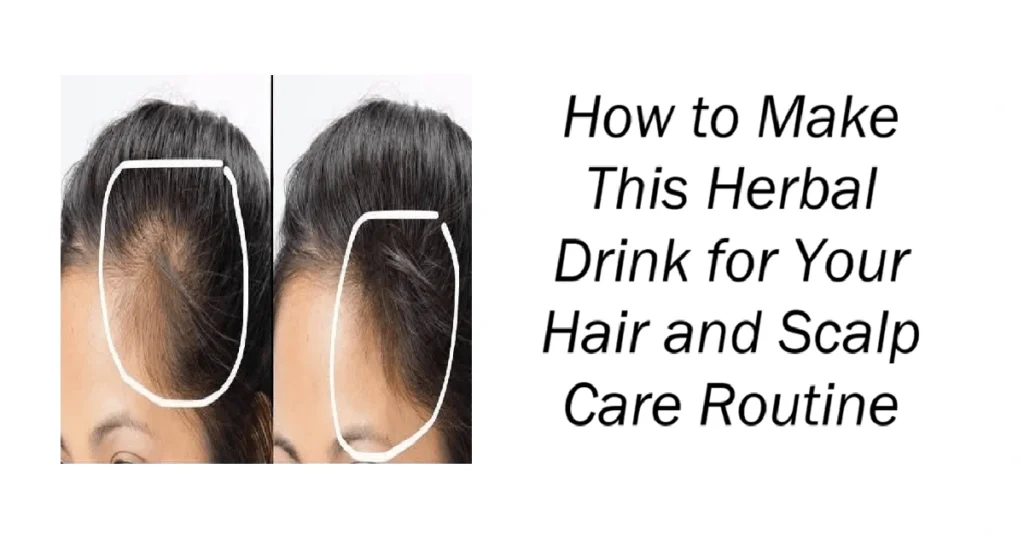
How to Make This Herbal Drink for Your Hair and Scalp Care Routine
Perilla leaves, also known as shiso leaves, are popular in East Asian cuisine for their distinctive herbal aroma and refreshing flavour. These vibrant leaves are used in a variety of dishes, but they can also be brewed into a simple herbal tea at home.
Perilla leaves contain various plant compounds, including antioxidants, and provide nutrients that contribute to a balanced diet. This has made them an interesting ingredient for people exploring natural approaches to hair and scalp care.
Although perilla leaf tea has not been proven to stimulate hair growth or prevent hair loss, it can be enjoyed as part of a healthy lifestyle. If you’re curious about this aromatic herb, here’s how to prepare your own cup at home.
Ingredients You’ll Need
You only need a few simple ingredients to prepare perilla leaf tea.
- Fresh perilla leaves: 8–10 leaves, thoroughly washed
- Water: 2 cups (approximately 500 ml)
- Honey: 1 teaspoon (optional, for sweetness)
- Fresh lemon juice: A few drops (optional, for flavour)
Helpful tip: Fresh perilla leaves generally produce a lighter, fresher herbal flavour, while dried leaves tend to have a more concentrated taste.
How to Make Perilla Leaf Tea at Home
Follow these simple steps to prepare a fragrant cup of homemade perilla tea.
Step 1: Wash the Leaves
Rinse the fresh perilla leaves thoroughly under running water to remove dirt and other surface impurities. Gently pat them dry with a clean kitchen towel.
If you’re using dried perilla leaves, check the packaging instructions and use a food-grade product intended for making tea.
Step 2: Heat the Water
Pour 2 cups of water into a clean saucepan and bring it to a boil.
A stainless-steel or other suitable food-safe saucepan works well. There is no established need to avoid aluminium cookware specifically for this tea.
Step 3: Add the Perilla Leaves
Reduce the heat and add the fresh or dried leaves to the hot water.
Allow the leaves to simmer gently for approximately 5–7 minutes. The water may develop a light green, amber or brownish colour, depending on the leaves and how long they steep.
Step 4: Let the Tea Steep
Turn off the heat and leave the tea to steep for another 2 minutes. This allows the herbal aroma and flavour to develop.
Step 5: Strain and Serve
Pour the tea through a fine strainer into a cup, removing the leaves.
Add a teaspoon of honey or a few drops of lemon juice if you prefer a sweeter or slightly citrusy flavour.
Your homemade perilla leaf tea is now ready to enjoy.
What Are the Potential Benefits of Perilla Leaf Tea?
Perilla leaves contain naturally occurring plant compounds, including polyphenols and flavonoids, that have attracted scientific interest. However, research on perilla extracts should not be confused with evidence that drinking perilla tea produces specific health benefits.
1. Provides Plant-Based Antioxidants
Perilla leaves contain antioxidant compounds that can be studied for their role in protecting cells from oxidative damage. Drinking the tea may be one way to enjoy this herb, although its antioxidant content varies with the variety, preparation and brewing method.
2. Complements a Balanced Diet
Healthy hair depends on several factors, including adequate protein, iron, zinc and other essential nutrients. Perilla leaves can contribute to dietary variety, but a cup of tea should not be relied upon to meet your nutritional needs.
3. May Interest Those Exploring Scalp Care
Inflammation and certain scalp conditions can contribute to hair problems. Some laboratory and preliminary research has examined compounds found in perilla, but there is not enough reliable clinical evidence to conclude that drinking perilla tea reduces scalp inflammation or promotes hair growth.
If you are experiencing persistent itching, scalp irritation or noticeable hair loss, consider seeking advice from a healthcare professional rather than relying on herbal remedies alone.
Can You Use Perilla Leaf Tea as a Hair Rinse?
Some people enjoy experimenting with herbal rinses as part of their hair-care routine. If you wish to try perilla tea externally, let it cool completely before applying a small amount to a limited area of your scalp or hair.
Keep the following precautions in mind:
- Use freshly prepared tea and allow it to cool fully.
- Test a small area first to check for irritation.
- Stop using it if you notice itching, redness or discomfort.
- Avoid applying it to broken or irritated skin.
- Do not expect it to regrow hair or treat a medical scalp condition.
There is currently insufficient clinical evidence that a perilla leaf rinse improves hair growth.
Simple Tips for Enjoying Perilla Leaf Tea
- Start with a mild brew if you’re unfamiliar with the flavour.
- Adjust the steeping time to suit your taste.
- Use clean, food-grade leaves from a reliable source.
- Enjoy the tea as part of a varied, balanced diet.
- If you have known allergies to perilla or related plants, avoid it. If you take regular medication or have concerns about herbal products, consult a healthcare professional before using it regularly.
Final Thoughts
Perilla leaf tea is an easy-to-prepare herbal drink with a distinctive aroma and an interesting place in East Asian food traditions. Its naturally occurring plant compounds make it a worthwhile ingredient to explore as part of a varied diet.
However, claims that perilla tea can stop hair loss, reduce scalp inflammation or accelerate hair growth have not been established in human clinical studies.
The best approach to healthy hair is to combine good nutrition, gentle hair care and appropriate treatment for any underlying scalp or hair concerns. Perilla leaf tea can be an enjoyable addition to that routine, but it should not be viewed as a miracle remedy.
Disclaimer: This article is for general informational purposes only. Herbal teas are not substitutes for medical advice or evidence-based treatment for hair loss or scalp conditions.
You’ve just read How to Make This Herbal Drink for Your Hair . Why not read My Neighbor’s Son Destroyed My Late Husband’s Flower Garden