
Strange Bug in Your Pantry …Here’s How to Tell If It’s Dangerous
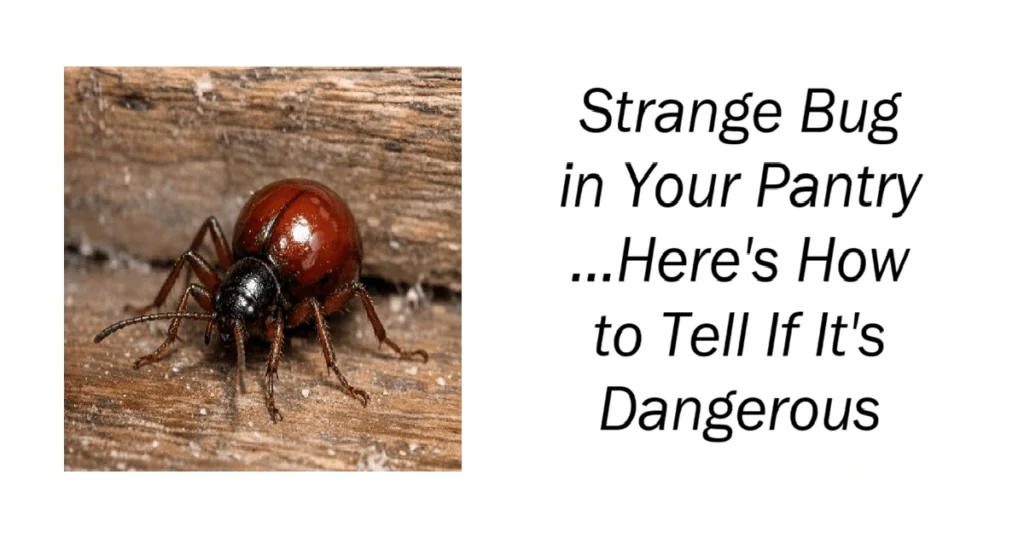
Opening a kitchen cupboard and spotting an unfamiliar insect can be unsettling. At first glance, you might assume it’s a tick, a tiny spider, or another household pest. But when you take a closer look, you notice something different—six legs, long antennae, and a small, rounded body.
If this sounds familiar, you may have encountered a spider beetle.
Despite their somewhat alarming appearance, spider beetles are generally more of a pantry nuisance than a serious threat. Understanding what they are, why they’re attracted to your home, and how to deal with them can help you keep your pantry clean and your food protected.
What Is a Spider Beetle?
Spider beetles belong to the insect family Ptinidae and are common pantry pests found throughout the world.
These tiny insects typically measure between 1.5 and 3.5 millimeters in length and have a shiny, rounded appearance. Their long legs and antennae often cause people to mistake them for spiders or ticks.
However, unlike spiders and ticks, spider beetles are insects, which means they have six legs rather than eight.
Depending on the species, they may appear reddish-brown, dark brown, or nearly black and often have fine hairs covering their bodies.
How to Tell a Spider Beetle Apart from Other Pests
Because of their appearance, spider beetles are frequently confused with several other household pests.
Spider Beetles vs. Ticks
- Spider beetles have six legs.
- Ticks have eight legs.
- Ticks have flatter bodies and are arachnids.
Spider Beetles vs. Spiders
- Spiders have eight legs and a more segmented body.
- Spider beetles have a rounded, beetle-like shape and visible antennae.
Spider Beetles vs. Bed Bugs
- Bed bugs are larger and flatter.
- Spider beetles have longer antennae and a more rounded body.
- Bed bugs are typically found near sleeping areas, while spider beetles are more commonly associated with stored food.
Why Spider Beetles Love Pantries
Spider beetles are scavengers and thrive in places where food is readily available.
Pantries and cupboards provide the perfect environment because they offer:
- Darkness
- Shelter
- Warm temperatures
- Access to dry food products
These insects can survive on a surprisingly wide range of materials, making them highly adaptable household pests.
Foods Spider Beetles Commonly Infest
Spider beetles are not particularly picky eaters.
They are often found in:
- Flour
- Rice
- Cereals
- Pasta
- Dried fruits
- Nuts
- Seeds
- Spices
- Pet food
- Bird seed
In some cases, they may even feed on wool, feathers, and other animal-based materials.
Because they can spread from one food source to another, early detection is important.
Signs of a Spider Beetle Infestation
Finding a single beetle doesn’t always mean you have a major infestation. However, there are several warning signs to watch for.
Damaged Food Packaging
Tiny holes in cardboard boxes, paper bags, or thin packaging may indicate beetle activity.
Beetle Droppings
Spider beetle waste often resembles tiny grains of sand or dust.
Shed Skins
As spider beetles grow, they shed their outer coverings. Finding these empty shells can signal an active population.
Multiple Beetles
Seeing several beetles in different areas of your pantry usually suggests a larger infestation that requires attention.
Are Spider Beetles Dangerous?
The good news is that spider beetles are generally harmless to people and pets.
They do not:
- Bite
- Sting
- Spread diseases
- Attack humans or animals
Their primary concern is food contamination.
Once they enter stored food products, those items often need to be discarded to prevent further spread.
What to Do If You Find One
If you discover a spider beetle in your cupboard, act quickly to prevent a larger problem.
Step 1: Inspect Nearby Food
Check all dry food products in the surrounding area for signs of infestation.
Step 2: Discard Infested Items
Place contaminated food in sealed bags before throwing it away.
Step 3: Vacuum Thoroughly
Use a vacuum to remove beetles, eggs, larvae, and food debris from shelves and corners.
Step 4: Clean Surfaces
Wash shelves and pantry surfaces with warm soapy water or a mild vinegar solution.
Step 5: Monitor the Area
Continue checking the pantry over the following weeks to ensure no additional beetles appear.
How to Deep-Clean Your Pantry
For the best results, perform a complete pantry inspection.
- Remove all food items.
- Check every package carefully.
- Vacuum shelves, corners, and cracks.
- Wipe all surfaces thoroughly.
- Allow shelves to dry completely.
- Return only clean, uninfested products.
Consider transferring susceptible foods into airtight containers to provide an extra layer of protection.
When Professional Pest Control Is Necessary
Most spider beetle infestations can be managed with thorough cleaning and proper food storage.
However, professional pest control may be necessary if:
- Infestations keep returning
- Large numbers of beetles are present
- The source cannot be located
- Multiple areas of the home are affected
Pest control professionals can identify hidden breeding sites and provide targeted treatments if needed.
How to Prevent Future Infestations
A few simple habits can significantly reduce the risk of spider beetles returning.
Store Food Properly
Use airtight containers for flour, cereals, rice, and other dry goods.
Rotate Pantry Stock
Use older products first and avoid storing food for extended periods.
Clean Regularly
Wipe shelves and inspect food items routinely.
Seal Entry Points
Close gaps around doors, windows, pipes, and pantry walls where insects may enter.
Check New Purchases
Inspect packaged foods before bringing them into storage.
Don’t Panic If You Find One
Discovering an unfamiliar insect in your pantry can be alarming, but spider beetles are generally manageable pests rather than dangerous invaders.
With prompt action, proper food storage, and routine cleaning, most infestations can be eliminated before they become serious problems.
Understanding what spider beetles are—and what attracts them—allows you to protect your pantry, reduce food waste, and maintain a clean, pest-free kitchen with confidence.
You’ve just read Strange Bug in Your Pantry . Why not read My Husband and MIL Cast Us Out