
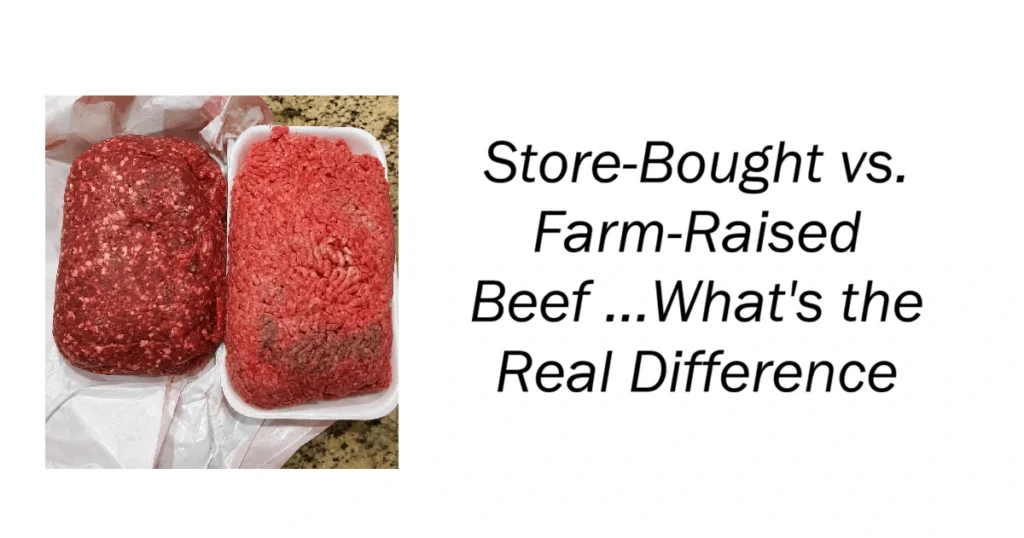
Store-Bought vs. Farm-Raised Beef …What’s the Real Difference
The food we choose to put on our tables says a lot about our priorities. For many people, especially those who grew up around farms or remember buying meat from a trusted local butcher, choosing between store-bought and farm-raised beef is about more than convenience—it’s about quality, flavor, and confidence in the food they serve their families.
As interest in healthier eating, sustainable agriculture, and local food sources continues to grow, more consumers are asking an important question: Is farm-raised beef really different from what you find at the supermarket?
The answer is yes—but the differences go beyond taste alone.
From how cattle are raised and fed to the shopping experience itself, understanding these distinctions can help you make informed choices that fit your budget, values, and lifestyle.
Taste: The Difference Many People Notice First
For most beef lovers, flavor is where the conversation begins.
Many people who purchase beef directly from local farms describe the taste as richer, heartier, and more reminiscent of traditional beef from decades past. The flavor is often influenced by the animal’s diet, activity level, and overall living conditions.
Farm-raised cattle frequently spend more time on pasture, grazing naturally and moving freely. Many are raised on grass for much of their lives and may be grain-finished to achieve a balance of tenderness, marbling, and flavor.
As a result, the beef often has:
- A more pronounced beef flavor
- Firmer texture
- Distinct marbling patterns
- Greater variation from animal to animal
Supermarket beef, by contrast, is typically sourced from large-scale producers that prioritize consistency. The cattle are often raised in feedlots and fed grain-rich diets designed to encourage efficient growth and predictable results.
This process produces beef that is:
- Consistent in appearance
- Uniform in tenderness
- Widely available year-round
- Familiar to most consumers
While many shoppers appreciate this consistency, others feel it lacks some of the depth and character found in locally raised beef.
How Cattle Are Raised Matters
The environment in which cattle live plays a significant role in the qualities of the beef they produce.
Farm-raised cattle often have greater access to pasture and more room to roam. Many small-scale farmers focus on animal welfare, balanced nutrition, and individualized care.
These practices may influence:
- Flavor development
- Meat texture
- Fat distribution
- Overall quality perception
Local farmers frequently take pride in raising cattle using methods that align with traditional agricultural practices.
Large-scale beef operations, on the other hand, are designed to maximize efficiency and meet the demand of national food distribution systems. Feedlot operations provide controlled diets and carefully managed growth programs that help ensure consistent supply and pricing.
Both systems have their advantages, but they represent very different approaches to food production.
The Value of Knowing Where Your Food Comes From
One of the biggest appeals of farm-raised beef is transparency.
When purchasing directly from a local farm, consumers often have the opportunity to ask questions about:
- Animal care practices
- Feeding programs
- Farming methods
- Processing procedures
This direct relationship allows buyers to better understand exactly where their food comes from.
For many people, particularly those who value traditional farming or local agriculture, that personal connection creates an added level of trust.
Supermarkets offer convenience and accessibility, but most shoppers have limited information about the specific farms where their beef originated.
For some consumers, that distinction matters.
Comparing Cost and Value
Price is often one of the deciding factors when choosing between farm-raised and store-bought beef.
In many cases, farm-raised beef costs more than supermarket alternatives. Smaller farms typically have higher production costs and invest more labor into raising their animals.
However, many customers feel the additional expense is justified by:
- Enhanced flavor
- Perceived freshness
- Greater transparency
- Support for local agriculture
Some buyers also reduce costs by purchasing larger quantities directly from farms, such as quarter, half, or whole beef shares, which can lower the price per pound.
Supermarket beef generally benefits from economies of scale. Large production systems, national distribution networks, and promotional pricing often make it the more affordable option for everyday shopping.
Convenience vs. Connection
Store-bought beef offers undeniable convenience.
Consumers can choose from a wide variety of cuts, compare prices, and purchase exactly what they need during a routine grocery trip.
Farm-raised beef often requires more planning. Depending on the farm, products may be available through:
- Farmers’ markets
- Direct farm sales
- Subscription meat boxes
- Local butcher partnerships
While this may require extra effort, many customers appreciate the opportunity to support local businesses and develop relationships with the people who produce their food.
Which Option Is Right for You?
There is no universal answer when it comes to choosing between store-bought and farm-raised beef.
Both options can provide high-quality protein and fit within a healthy, balanced diet. The best choice depends on your priorities.
Farm-raised beef may appeal to you if you:
- Prefer supporting local farmers
- Value transparency in food production
- Enjoy richer, more traditional flavors
- Appreciate knowing how animals are raised
Store-bought beef may be a better fit if you:
- Prioritize convenience
- Need consistent pricing
- Want year-round availability
- Prefer a wider selection of cuts
Final Thoughts
The debate between store-bought and farm-raised beef isn’t about determining which option is universally better—it’s about understanding the differences so you can make the choice that best suits your needs.
For some, that means enjoying the convenience and affordability of supermarket beef. For others, it means seeking out local farms and reconnecting with traditional food sources.
Whichever path you choose, knowing where your beef comes from and how it was raised can help you shop with greater confidence and enjoy every meal with a deeper appreciation for the food on your plate.
You’ve just read . Why not read I Opened Up About Burnout