
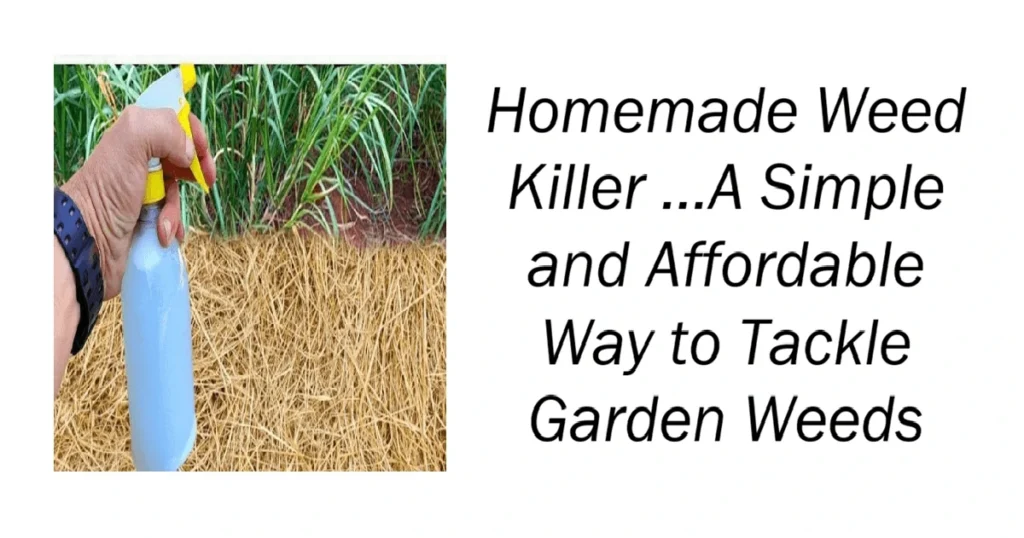
Homemade Weed Killer …A Simple and Affordable Way to Tackle Garden Weeds
Weeds growing in garden beds, pathways, driveways, and sidewalk cracks can be frustrating to remove. While commercial herbicides are widely available, many homeowners prefer inexpensive DIY alternatives made from common household ingredients.
One popular homemade weed-control solution combines water, salt, baking soda, and dish soap. While it may help dry out and damage unwanted plants, it’s important to understand both its benefits and limitations before using it.
Ingredients (Makes Approximately 500 ml)
- 500 ml water
- 1 tablespoon salt
- 1 tablespoon baking soda
- 5 tablespoons liquid dish soap
For larger batches, simply increase the quantities proportionally.
How to Prepare the Mixture
Step 1: Combine the Ingredients
Pour the water into a container and add:
- Salt
- Baking soda
- Liquid dish soap
Step 2: Mix Thoroughly
Stir well until the salt and baking soda are mostly dissolved.
Step 3: Transfer to a Spray Bottle
Pour the mixture into a clean spray bottle for easy application.
How to Apply
Before each use, shake the bottle well since some ingredients may settle over time.
Spray directly onto the leaves and stems of the weeds, ensuring they are thoroughly coated.
For best results:
- Apply on a warm, dry day.
- Choose a period when no rain is expected.
- Target young weeds whenever possible.
What to Expect
You may notice:
- Wilting leaves within several hours
- Yellowing or browning over the next few days
- Dry, damaged vegetation within approximately 3–5 days
Results can vary depending on:
- Weed species
- Weather conditions
- Plant size
- Frequency of application
Some deep-rooted weeds may require repeated treatments.
Important Considerations
This Solution Is Non-Selective
The mixture does not distinguish between weeds and desirable plants.
If it comes into contact with:
- Flowers
- Vegetables
- Grass
- Shrubs
it may damage or kill them as well.
Always spray carefully and avoid overspray.
Salt Can Affect Soil Health
While salt can help kill weeds, repeated use may accumulate in the soil and make it difficult for other plants to grow in the treated area.
For this reason, salt-based solutions are generally best suited for:
- Driveway cracks
- Sidewalk edges
- Gravel paths
- Areas where you do not intend to grow plants
Dish Soap’s Role
Dish soap acts primarily as a surfactant, helping the solution stick to leaves and improving contact with the plant surface.
Alternative Weed-Control Methods
For gardeners seeking long-term weed management, consider combining treatments with:
- Hand pulling
- Mulching
- Landscape fabric
- Boiling water (for cracks and pathways)
- Regular maintenance to prevent reseeding
Final Thoughts
This homemade weed killer offers a low-cost option for managing weeds in driveways, walkways, and other non-planted areas. While it can be effective at damaging unwanted vegetation, it should be used carefully because it can also harm nearby plants and may affect soil quality over time.
For best results, apply selectively, monitor treated areas, and combine weed control methods for longer-lasting success.
You’ve just read A Simple and Affordable Way to Tackle Garden Weeds. Why not read Can Rosemary Really Eliminate Fungus