
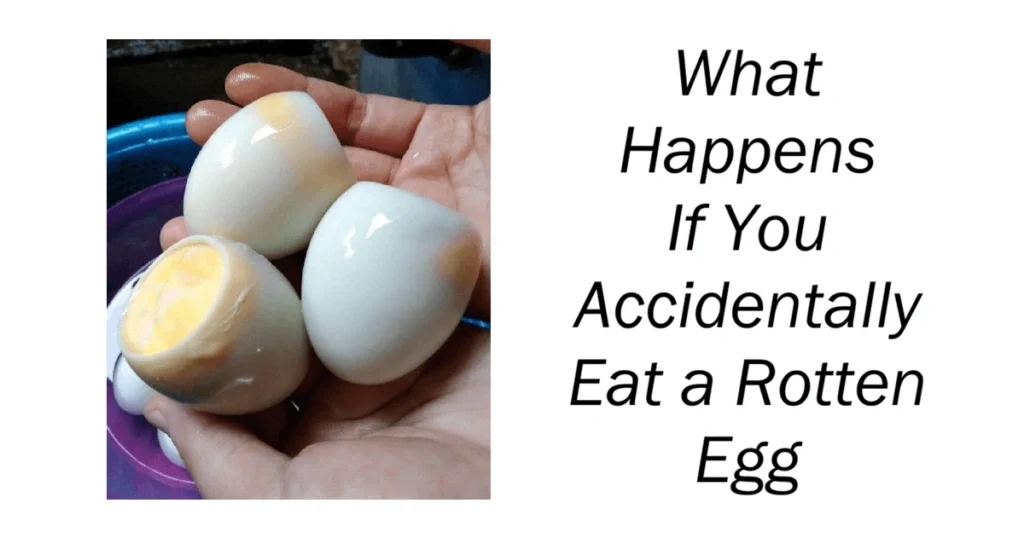
What Happens If You Accidentally Eat a Rotten Egg
Eggs are one of the most popular foods in the world. They’re affordable, nutritious, and incredibly versatile, making them a staple in many kitchens. But what happens if you accidentally eat an egg that’s spoiled?
Whether it’s a hard-boiled egg that’s been sitting too long or a cracked egg that seemed fine at first glance, consuming a rotten egg can lead to unpleasant—and sometimes serious—health consequences.
Here’s what you need to know.
The Biggest Risk: Food Poisoning
The primary danger of eating a spoiled egg is food poisoning, most commonly caused by bacteria such as Salmonella.
While not every rotten egg contains harmful bacteria, spoiled eggs provide an ideal environment for bacteria to grow and multiply.
If contamination occurs, symptoms may appear anywhere from 6 to 48 hours after consumption and can include:
- Nausea
- Vomiting
- Stomach cramps
- Diarrhea
- Fever
- Headache
- Fatigue and weakness
For most healthy adults, symptoms are temporary and resolve within a few days. However, some cases can become more serious.
What Happens Inside Your Body?
When harmful bacteria enter your digestive system, your body immediately begins fighting back.
Bacteria such as Salmonella can release toxins that irritate the stomach and intestines. This irritation triggers inflammation, causing symptoms like vomiting and diarrhea as your body attempts to eliminate the infection.
Rotten eggs also produce sulfur compounds responsible for the unmistakable “rotten egg” smell. While the odor itself isn’t necessarily dangerous, it’s a strong warning sign that the egg has begun to decompose and should not be eaten.
Who Is Most at Risk?
Certain individuals are more likely to experience severe complications from food poisoning, including:
- Young children
- Older adults
- Pregnant women
- People with weakened immune systems
For these groups, dehydration and other complications can develop more quickly, making prompt medical attention especially important.
When Should You See a Doctor?
Seek medical advice if you experience any of the following symptoms:
- Fever above 38.5°C (101.3°F)
- Persistent vomiting
- Bloody diarrhea
- Severe stomach pain
- Signs of dehydration, such as dizziness, dry mouth, or reduced urination
- Symptoms that last longer than three days
In severe cases, medical treatment or hospitalization may be necessary.
Can Just One Bite Make You Sick?
Many people panic after realizing they’ve taken a bite of a bad egg.
The truth is that the risk depends on the amount and type of contamination. If the egg was simply old and tasted unpleasant, you may not experience any symptoms.
However, if harmful bacteria were present, even a small amount can be enough to trigger illness.
If you’ve accidentally eaten a questionable egg, monitor yourself carefully over the next 24 to 48 hours.
What Should You Do If You Ate a Spoiled Egg?
If your symptoms are mild, you can usually recover at home with supportive care.
Stay Hydrated
Vomiting and diarrhea can quickly lead to dehydration. Drink plenty of:
- Water
- Oral rehydration solutions
- Clear broths
Get Plenty of Rest
Your immune system works best when your body has time to recover.
Eat Gentle Foods
Once you’re able to eat, stick to bland foods such as:
- Toast
- Rice
- Bananas
- Crackers
- Applesauce
Avoid Certain Foods and Drinks
Until you feel better, avoid:
- Dairy products
- Alcohol
- Caffeine
- Fatty or spicy foods
Also, avoid taking anti-diarrheal medications unless advised by a healthcare professional, as diarrhea helps your body remove harmful bacteria.
How to Prevent Food Poisoning From Eggs
Fortunately, preventing egg-related illness is relatively simple.
Follow these safety tips:
Check Expiration Dates
Always inspect the packaging before purchasing or using eggs.
Refrigerate Properly
Store eggs at or below 4°C (40°F) to slow bacterial growth.
Try the Float Test
Place an egg in a bowl of water:
- Fresh eggs sink
- Older eggs stand upright or float
Floating eggs should generally be discarded.
Trust Your Nose
A strong sulfur or rotten smell is one of the clearest signs an egg has spoiled.
Avoid Cracked Eggs
Discard any eggs that are cracked, leaking, or visibly damaged.
Final Thoughts
Accidentally eating a rotten egg can result in food poisoning, but most healthy adults recover within a few days with rest and proper hydration.
The key is to pay attention to your symptoms and seek medical care if they become severe or prolonged.
When it comes to eggs, it’s always better to be cautious. If an egg smells bad, looks unusual, or tastes off, don’t take the risk—throw it away and protect your health.
You’ve just read What Happens If You Accidentally Eat a Rotten Egg. Why not read Magnesium The Essential Mineral Your Body Can’t Live Without