
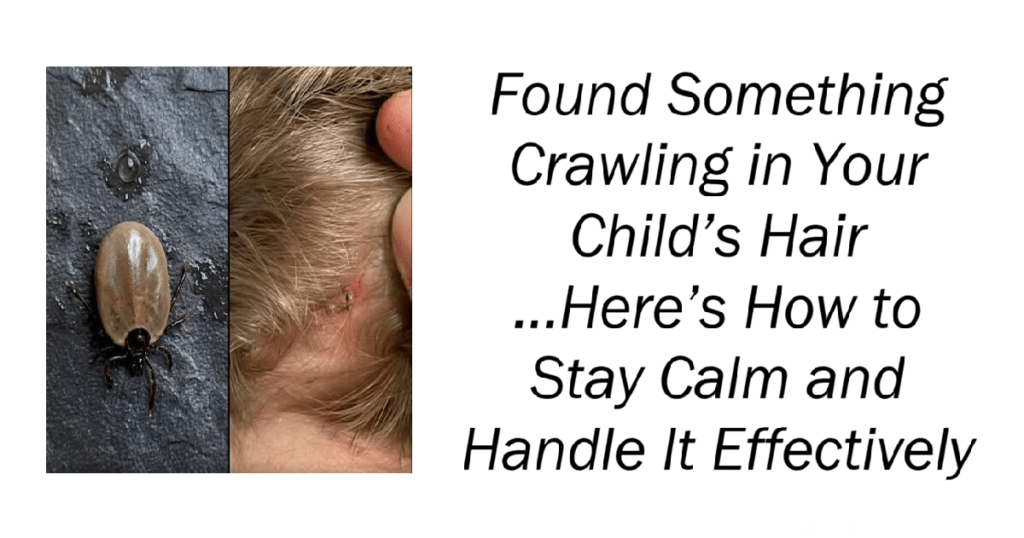
Found Something Crawling in Your Child’s Hair …Here’s How to Stay Calm and Handle It Effectively
Discover a practical, stress-free approach to dealing with lice, fleas, ticks, and other common household pests. This guide helps parents and caregivers respond confidently, protect their families, and maintain peace of mind.
The Moment Every Parent Dreads
Few things cause panic faster than spotting tiny insects—or what appear to be tiny insects—in your child’s hair. The immediate reaction is often a mix of confusion, worry, and urgency. Fortunately, finding lice or other pests is a common problem, and with the right knowledge, it can be managed effectively without turning your household upside down.
The key is to replace panic with a structured plan. Understanding what you’re dealing with allows you to take informed action, protect your family, and avoid unnecessary stress.
Step 1: Confirm What You’re Seeing
Before beginning treatment, it’s important to identify the problem correctly.
Perform a Careful Visual Inspection
Examine the scalp and hair under bright lighting, paying special attention to:
- Behind the ears
- The nape of the neck
- Areas close to the scalp
Lice and their eggs (nits) often gather in these locations. A patient and thorough inspection can provide valuable clues and help prevent unnecessary treatments.
Take Clear Photos
A close-up photograph can help you identify suspicious spots and monitor changes over time. Photos are also useful if you need to consult a pharmacist, pediatrician, or dermatologist.
Seek Professional Advice When Needed
If you’re uncertain about what you’ve found, consult a healthcare professional. A proper diagnosis can save time, reduce anxiety, and ensure that the most appropriate treatment is used from the start.
Understanding Head Lice: What Every Parent Should Know
Knowledge is one of the most powerful tools in pest management.
The Head Louse Life Cycle
Head lice develop through three stages:
- Nit (egg)
- Nymph (young louse)
- Adult louse
Because nits are firmly attached to the hair shaft, they can survive initial treatments if not removed properly. Understanding this cycle is essential for preventing reinfestation.
How Lice Spread
Contrary to popular belief, lice cannot jump or fly.
They spread primarily through:
- Direct head-to-head contact
- Sharing hairbrushes, hats, scarves, or hair accessories
Teaching children about these transmission methods can significantly reduce the risk of future outbreaks.
Nits vs. Dandruff: Know the Difference
Many parents mistake dandruff for lice eggs.
Nits:
- Oval-shaped
- Firmly attached to hair shafts
- Difficult to remove
Dandruff:
- Flaky
- Easily brushed away
- Not attached to hair
Making the correct distinction prevents unnecessary treatments and worry.
Managing a Lice Outbreak at Home
Choose the Right Treatment
Treatment options include:
- Over-the-counter medicated shampoos
- Prescription products
- Wet-combing techniques
- Certain non-chemical approaches
The best choice depends on the child’s age, sensitivity, and the severity of the infestation.
Follow Instructions Carefully
One of the most common reasons treatments fail is improper application.
Most treatments require:
- Exact timing
- Thorough application
- A follow-up treatment several days later
Consistency is often the difference between success and repeated infestations.
Check the Entire Household
If one family member has lice, everyone should be examined.
Early detection helps prevent the infestation from spreading and allows the household to address the issue collectively rather than repeatedly treating individual cases.
What If the Problem Is Fleas?
Not every itchy bite comes from lice.
Identifying Flea Bites
Flea bites often appear as:
- Small red bumps
- Clusters or lines of bites
- Intense itching
They commonly occur around the ankles and lower legs.
Clean the Environment Thoroughly
If fleas are present:
- Vacuum carpets and furniture frequently
- Wash bedding in hot water
- Clean cracks and hidden spaces where eggs may be hiding
Environmental treatment is just as important as treating affected family members.
Don’t Forget Your Pets
Dogs and cats are often the primary source of household flea infestations.
Regular veterinary care, flea prevention treatments, and routine grooming can significantly reduce the risk of recurring problems.
Dealing with Ticks Safely
Ticks require special attention because they can transmit diseases.
Proper Tick Removal
To remove a tick:
- Use fine-tipped tweezers.
- Grasp the tick as close to the skin as possible.
- Pull upward steadily without twisting.
Avoid crushing the tick during removal.
Monitor the Bite Area
After removal:
- Wash the area thoroughly
- Apply antiseptic
- Watch for unusual redness or rash
If symptoms such as fever, joint pain, or a bull’s-eye-shaped rash develop, seek medical attention promptly.
Strange Bugs in Books and Paper? Here’s Why
Many homeowners discover tiny insects around books, cardboard boxes, or stored papers.
These are often booklice (psocids), which feed on:
- Mold
- Fungal spores
- Paper glue
- Organic debris
Unlike head lice, they do not live on humans.
Why They Appear
Booklice thrive in:
- Humid environments
- Poorly ventilated spaces
- Areas with mold growth
Their presence is usually a sign that moisture levels need attention.
How to Eliminate Them
To reduce booklice populations:
- Improve ventilation
- Use a dehumidifier
- Repair leaks
- Store books in dry locations
- Vacuum regularly
Controlling humidity often solves the problem entirely.
Deep Cleaning: Your Best Preventive Strategy
Keep Carpets and Upholstery Clean
Regular vacuuming helps remove:
- Eggs
- Larvae
- Dust and debris that attract pests
Pay attention to corners, under furniture, and less frequently used areas.
Wash Bedding Frequently
Hot-water washing is highly effective against many household pests.
Sheets, pillowcases, blankets, and comforters should be cleaned regularly, particularly during or after an infestation.
Reduce Clutter
Stacks of books, old boxes, and stored belongings can create ideal hiding places for insects.
A cleaner, more organized environment makes pest management significantly easier.
The Most Important Step: Stay Calm
Perhaps the most valuable advice of all is surprisingly simple.
Finding lice, fleas, or other pests can be unsettling, but panic rarely improves the situation. Children often mirror their parents’ reactions, so remaining calm helps them feel safe and reassured.
Instead of focusing on embarrassment or frustration, treat the situation as a manageable challenge. Explain to your child that these issues are common, that they can happen to anyone, and that together you’ll solve the problem.
A calm, informed response not only leads to better results—it also protects the emotional well-being of the entire family.
Final Thoughts
Whether you’re dealing with head lice, fleas, ticks, or other household pests, success comes from knowledge, patience, and consistency. By correctly identifying the problem, following proven treatment methods, and maintaining a clean environment, you can resolve infestations effectively and prevent them from returning.
Most importantly, remember that these situations are temporary. With the right approach, your home can quickly return to being a comfortable, healthy, and worry-free space.
You’ve just read Found Something Crawling in Your Child’s Hair. Why not read My Stepson Reached Out After Years of Silence