
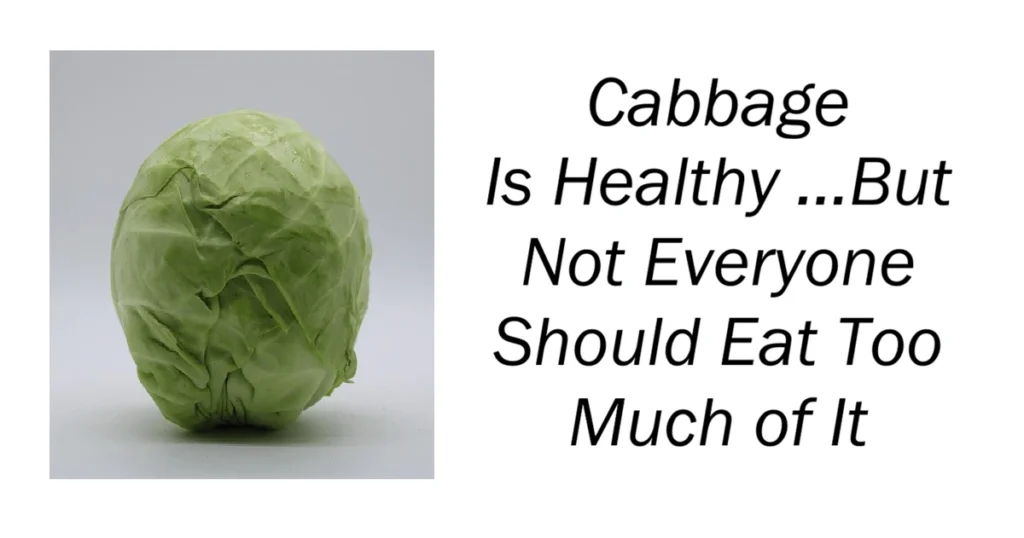
Cabbage Is Healthy …But Not Everyone Should Eat Too Much of It
Cabbage has earned a reputation as one of the healthiest vegetables around.
Affordable, versatile, and packed with nutrients, it appears in everything from soups and salads to stir-fries and fermented dishes. Whether green, red, purple, or fermented into sauerkraut, cabbage has been a kitchen staple for generations.
But despite its many benefits, cabbage is not the perfect food for everyone.
For some people, eating large amounts of cabbage may cause digestive discomfort or interfere with certain health conditions and medications.
So who should be careful—and why?
Let’s take a closer look.
Why Cabbage Is Considered So Healthy
Cabbage belongs to the cruciferous vegetable family, alongside:
- Broccoli
- Cauliflower
- Kale
- Brussels sprouts
It’s naturally rich in nutrients including:
- Vitamin C
- Vitamin K
- Fiber
- Folate
- Antioxidants
- Plant compounds called glucosinolates
Because it’s low in calories and high in fiber, cabbage is often included in healthy eating plans aimed at:
- Weight management
- Digestive support
- Heart health
- Immune support
Fermented forms like sauerkraut and kimchi may also contain beneficial probiotics that support gut health.
But Here’s the Catch: Cabbage Doesn’t Work Well for Everyone
Although cabbage is nutritious, some people may need to limit it or prepare it carefully.
Here are the main groups who should be cautious.
1. People With Thyroid Problems
Cabbage contains substances called goitrogens.
These compounds may interfere with the thyroid’s ability to use iodine properly—especially when cabbage is eaten in very large amounts and mostly raw.
This matters most for people with:
- Hypothyroidism
- Iodine deficiency
- Existing thyroid disorders
Important:
For most healthy people, moderate cabbage intake is not dangerous.
Cooking cabbage significantly reduces goitrogen levels, making it easier on the thyroid.
2. People With Digestive Sensitivities
Cabbage is high in fiber and certain carbohydrates that can ferment in the gut.
For some people, this may lead to:
- Bloating
- Gas
- Stomach cramps
- Digestive discomfort
This is especially common in people with:
- Irritable bowel syndrome (IBS)
- Sensitive digestion
- FODMAP intolerance
Raw cabbage tends to cause more digestive symptoms than cooked cabbage.
3. People Taking Blood Thinners
Cabbage contains a large amount of vitamin K.
Vitamin K plays an important role in blood clotting.
People taking blood-thinning medications such as warfarin need to maintain consistent vitamin K intake because sudden increases may affect how the medication works.
This does not necessarily mean avoiding cabbage completely.
The key is:
- Consistency
- Moderation
- Following medical advice
4. People Prone to Kidney Stones
Certain vegetables contain compounds called oxalates, which may contribute to some types of kidney stones in susceptible individuals.
Cabbage is not among the highest-oxalate foods, but people with a history of kidney stones may still need personalized dietary guidance from a healthcare provider.
Hydration also plays an important role in prevention.
5. People With Certain Digestive Conditions
Fermented cabbage products like sauerkraut and kimchi are popular for gut health, but they can sometimes create problems for people with:
- Acid reflux
- Gastritis
- Histamine sensitivity
- Sodium restrictions
Many fermented cabbage products are high in salt and may trigger symptoms in sensitive individuals.
Raw vs. Cooked Cabbage: Does It Matter?
Yes—quite a bit.
Raw Cabbage
- Higher in certain nutrients
- More likely to cause gas or bloating
- Contains stronger goitrogen activity
Cooked Cabbage
- Easier to digest
- Softer on the stomach
- Reduced goitrogen content
For many people with sensitivities, lightly cooked cabbage is the better option.
The Benefits of Cabbage Still Matter
Despite these precautions, cabbage remains a highly nutritious food for most people.
Potential benefits may include:
- Supporting digestion
- Providing antioxidants
- Helping with fullness and weight management
- Supporting heart health
- Delivering important vitamins and minerals
The issue is rarely cabbage itself.
It’s usually:
- Quantity
- Preparation method
- Individual health conditions
Simple Tips for Eating Cabbage Safely
If cabbage tends to bother you, these small adjustments may help:
Cook it instead of eating it raw
Steaming or sautéing often improves digestion.
Start with small portions
Especially if increasing fiber intake.
Drink plenty of water
Fiber works best with proper hydration.
Balance it with other foods
Avoid eating very large amounts in one sitting.
Pay attention to symptoms
Your body usually gives helpful feedback.
Final Thoughts
Cabbage is one of those foods that can be both incredibly healthy and mildly problematic depending on the person.
For most people, it’s a nutritious and affordable vegetable that fits beautifully into a balanced diet.
But for others—especially those with thyroid conditions, digestive sensitivities, or certain medications—it may require moderation or special preparation.
The healthiest diet is rarely about labeling foods as “good” or “bad.”
It’s about understanding what works best for your body.
Bottom Line
Cabbage offers plenty of nutritional benefits, but like many healthy foods, it isn’t universally perfect for everyone.
Moderation, preparation, and individual health needs make all the difference.
You’ve just read Cabbage Is Healthy . Why not read I Helped My Elderly Neighbor Mow Her Lawn