
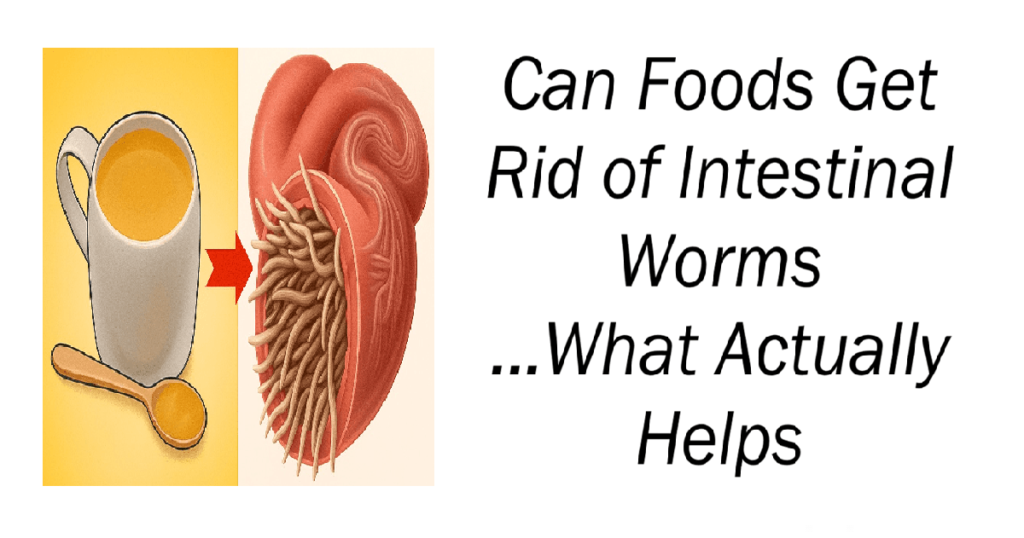
Can Foods Get Rid of Intestinal Worms …What Actually Helps
Parasitic infections are more common than many people realize, affecting both children and adults worldwide. When left untreated, they can lead to discomfort and, in some cases, more serious health complications. It’s no surprise that many people look for natural ways to support their body—but how effective are common “anti-parasite” foods?
Let’s separate myth from reality while exploring foods often associated with gut health.
Understanding Intestinal Parasites
Intestinal parasites are organisms that live in the digestive tract, often causing symptoms like bloating, nausea, fatigue, diarrhea, or unexplained weight changes. In some cases, people may also experience bad breath, loss of appetite, or stomach discomfort.
While these symptoms can be unpleasant, they’re not always caused by parasites—so proper diagnosis is important before starting any treatment.
Can Food Really Kill Worms?
Here’s the key point: no common food has been scientifically proven to eliminate intestinal worms on its own. Medical treatment—usually prescribed antiparasitic medication—is typically required to fully clear an infection.
However, certain foods may support digestion, improve gut health, or create an environment that’s less favorable for parasites. Think of them as supportive, not curative.
Foods Often Linked to Gut Support
Carrots
Rich in fiber and beta-carotene, carrots support digestion and overall gut health. While they won’t kill parasites directly, they can help keep your digestive system functioning properly.
Lemon and Mint
This combination is often used in traditional remedies. Lemon may support digestion, while mint can help soothe the stomach. Together, they may ease discomfort—but they don’t eliminate parasites.
Coconut
Coconut contains compounds that may have mild antimicrobial properties. It can be a healthy addition to your diet, though it shouldn’t be relied on as a treatment.
Papaya Seeds
Often mentioned in natural health circles, papaya seeds have been studied for potential antiparasitic effects. While some early research is promising, more evidence is needed before they can be considered reliable treatment.
Tomatoes
Nutritious and rich in antioxidants, tomatoes support overall health but don’t directly target intestinal worms.
Garlic
Garlic is known for its antibacterial and antifungal properties. It may support the immune system, but again, it’s not a substitute for medical care.
When to Seek Proper Treatment
If you suspect a parasitic infection—especially if symptoms persist—it’s important to consult a healthcare professional. Diagnosis often involves simple tests, and treatment is usually straightforward with the right medication.
Relying only on home remedies may delay recovery and allow the infection to worsen.
A Smarter Approach to Gut Health
While food alone won’t cure parasites, maintaining a healthy diet can still play an important role in prevention and recovery. Focus on:
- Proper hygiene (especially handwashing)
- Clean, well-cooked food
- Safe drinking water
- A balanced diet that supports your immune system
The Bottom Line
Natural foods can support your body—but they’re not a cure for intestinal parasites. If you’re dealing with symptoms, the safest approach is a combination of medical guidance and healthy lifestyle habits.
When it comes to your health, it’s always better to rely on what’s proven—not just what’s popular.
You’ve just read Can Foods Get Rid of Intestinal Worms . Why not read Pick A Diamond To Reveal Your Truest Trait