
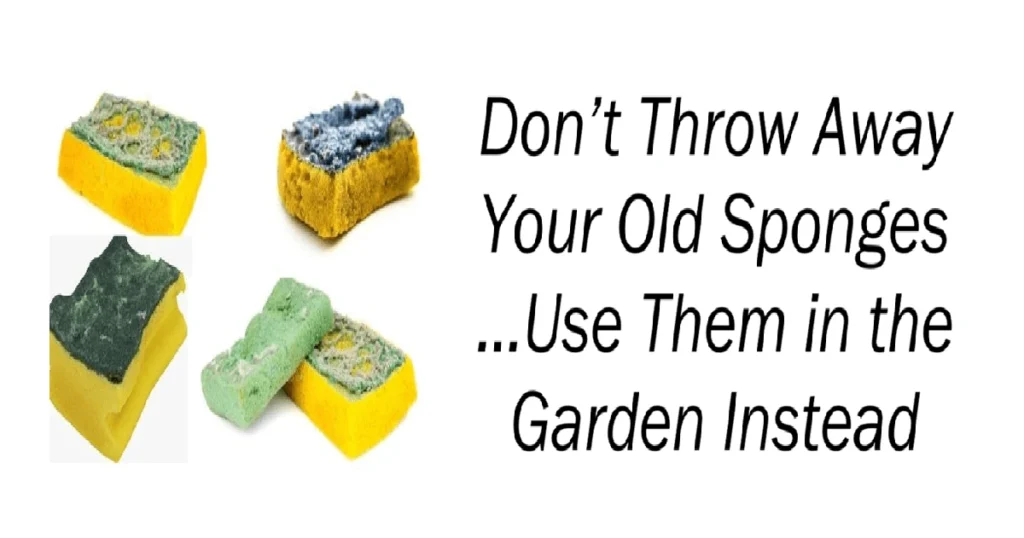
Don’t Throw Away Your Old Sponges … Use Them in the Garden Instead
Before you toss that worn-out kitchen sponge into the bin, you might want to think twice. What if something so simple could actually give your plants a boost?
It may sound surprising, but old sponges can be incredibly useful in the garden. Not only does this clever trick reduce waste, but it also helps create a healthier environment for your plants to thrive.
Sometimes, the simplest ideas really are the most effective.
Why Use Old Sponges in Your Garden?
Sponges are designed to absorb and retain water—which makes them perfect for improving soil conditions.
When added to soil, sponge pieces can:
- Help retain moisture for longer periods
- Improve aeration around plant roots
- Prevent soil from drying out too quickly
- Support healthier plant growth
It’s an easy, eco-friendly upgrade for your pots and planters.
Step 1: Clean and Disinfect Your Sponges
Before using old sponges in your garden, it’s important to clean them properly.
Here’s how:
- Wash thoroughly in hot water to remove grease and residue
- Disinfect naturally using one of these methods:
- Soak in vinegar for 24 hours
- Or soak in a baking soda and water solution for 24 hours
💡 Tip: While bleach can be used, natural options are safer for your plants and the environment.
Step 2: Cut Them into Small Pieces
Once your sponges are clean:
- Squeeze out excess water
- Let them dry completely
- Use scissors to cut them into small pieces
The smaller the pieces, the better they’ll blend into your soil.
Step 3: Mix Sponges into the Soil
Now comes the fun part—putting your recycled sponges to work.
For garden soil or containers:
- Add soil to a container or bag
- Mix in the sponge pieces evenly
For plant pots:
- Start with a layer of soil at the bottom
- Add a layer of sponge-soil mix
- Repeat layers as needed
This layering method helps distribute moisture more effectively throughout the pot.
What Makes This Trick So Effective?
Sponge pieces act like tiny water reservoirs in the soil. They absorb excess water when you water your plants and slowly release it as the soil dries.
The result?
- Less frequent watering
- Better root hydration
- Improved soil structure
It’s especially helpful for indoor plants or during warmer months when soil tends to dry out quickly.
A Small Change with a Big Impact
Reusing old sponges is a simple way to reduce household waste while giving your plants a little extra care.
Instead of throwing them away, you’re turning something ordinary into a practical gardening tool.
Final Thoughts
Next time you’re about to replace a kitchen sponge, don’t toss the old one just yet. With a bit of cleaning and a quick snip, it can become a valuable addition to your garden routine.
It’s proof that sometimes, the best gardening hacks aren’t found in stores—they’re already sitting in your kitchen.
You’ve just read Don’t Throw Away Your Old Sponges. Why not read Photo of The Night Sky That Is Leaving Everyone Baffled