
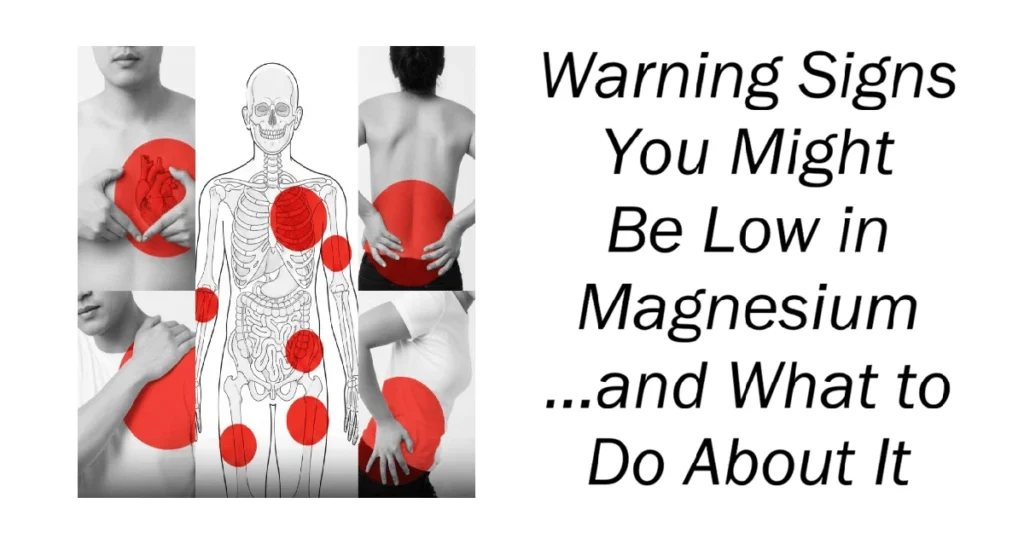
Warning Signs You Might Be Low in Magnesium …and What to Do About It
Magnesium doesn’t usually get the spotlight—but it should. This essential mineral is involved in more than 300 processes in your body, from energy production to nerve signaling and heart rhythm.
And here’s the surprising part: many people aren’t getting enough.
A mild deficiency can quietly show up as everyday symptoms you might overlook or blame on something else. Let’s break down the signs your body could be giving you.
Common Signs of Low Magnesium
1. Muscle Cramps and Spasms
If you’re dealing with frequent cramps—especially at night—low magnesium could be a factor. It helps muscles relax, so without enough, they may contract involuntarily.
2. Fatigue and Low Energy
Magnesium plays a key role in producing ATP (your body’s main energy source). Low levels can leave you feeling constantly drained.
3. Anxiety and Stress Sensitivity
Magnesium supports the nervous system and helps regulate stress hormones. A deficiency may make you feel more anxious, irritable, or overwhelmed.
4. Trouble Sleeping (Insomnia)
It also contributes to relaxation and melatonin production. If you struggle to fall or stay asleep, magnesium might be part of the picture.
5. Headaches and Migraines
Low magnesium has been linked to more frequent and intense migraines, possibly due to its effect on blood flow and nerve function.
6. Irregular Heartbeat
Magnesium helps maintain a steady heart rhythm. Low levels can lead to palpitations or a fluttering sensation.
7. Tingling or Numbness
That “pins and needles” feeling—especially in hands and feet—can be related to disrupted nerve signaling.
8. High Blood Pressure
Magnesium helps relax blood vessels. Without enough, blood pressure may trend higher.
9. PMS Symptoms
In women, low magnesium may worsen cramps, mood swings, and bloating.
10. Constipation
Magnesium supports digestive movement and draws water into the intestines. Low levels can slow things down.
11. Poor Appetite or Nausea
Early deficiency signs can include loss of appetite or mild digestive discomfort.
12. Increased Osteoporosis Risk
Magnesium helps regulate calcium balance. Over time, low levels may weaken bones.
13. Muscle Weakness
Beyond cramps, you might feel reduced strength or quicker fatigue during physical activity.
Why It Matters
Magnesium isn’t just about one symptom—it’s about overall balance. It affects your muscles, nerves, heart, and even your mood. That’s why deficiency can feel so “all over the place.”
How to Get More Magnesium
The good news? You can often improve your levels through simple changes:
Eat magnesium-rich foods:
- Leafy greens (like spinach)
- Nuts and seeds (especially almonds and pumpkin seeds)
- Whole grains
- Dark chocolate (yes, really)
- Legumes
Lifestyle tips:
- Reduce excessive caffeine and alcohol (they can deplete magnesium)
- Manage stress (chronic stress uses up more magnesium)
Supplements (if needed):
Magnesium supplements can help—but it’s best to speak with a healthcare professional first, especially if you have existing conditions or take medications.
When to Take It Seriously
If you’re experiencing symptoms like irregular heartbeat, severe fatigue, or persistent numbness, don’t guess—get medical advice. Blood tests and professional guidance can help identify what’s really going on.
Final Thoughts
Magnesium deficiency often hides in plain sight. The symptoms can feel unrelated—but together, they tell a story.
Paying attention to these signals—and supporting your body with the right nutrients—can make a noticeable difference in how you feel day to day.
Sometimes, small changes lead to the biggest improvements.
You’ve just read Warning Signs You Might Be Low in Magnesium . Why not read What Your Favorite Flavor Might Say About You